
Porch extension ideas rarely give you the full picture, and missing details about hidden costs, permits, and code requirements can quickly turn a dream project into an expensive migraine. This guide exposes what most articles leave out, arming you with benchmarks, regulatory pitfalls, and practical strategies for a real-world porch upgrade.
Key Takeaways
- Actual porch extension costs and obstacles are usually understated in mainstream guides—expect a wide gap between online estimates and contractor quotes.
- Permit delays, code triggers, and missing technical specifications are top reasons for overruns and stalled projects. Local rules can change everything.
- If you want value, usability, and fewer disputes, demand proof of expertise—and don’t skip the ugly details, even if trends promise “effortless” upgrades.
- Real-World Costs of Porch Extensions in 2024–2025: Benchmarks and Budgeting Traps
- What Homeowners Really Struggle With: Hidden Permit Delays, Cost Overruns, and Seasonal Usability
- Code and Permit Minefields: What Every Modern Porch Extension Must Get Right
- Technical Details Most ‘Porch Extension Ideas’ Guides Get Wrong (And What to Ask Your Contractor)
- Modern Porch Designs 2025: What’s Actually New, and Do These Trends Justify the Hype?
- Selecting an Affordable Porch Builder Near You: The Criteria and Red Flags That Matter
- Do Porch Extensions Add Value? What Screened, Open, and Glass Porches Really Do for Resale
- FAQ: Porch Extension Ideas & Planning
Real-World Costs of Porch Extensions in 2024–2025: Benchmarks and Budgeting Traps
Most articles on porch extension ideas gloss over actual costs and why estimates are all over the map. In 2024–2025, the national average for a 200 sq. ft. porch is roughly $14,500, but reported totals swing from $4,000 to $35,000 based on whether you build open, screened, or fully enclosed. Open porches range $40–$120 per sq. ft.; enclosed porches climb from $50–$175 per sq. ft. The median project sits at about 200 sq. ft. Most online calculators use “best-case” averages and don’t include the fees, delays, or overruns that spike final bills. For proof, see the wide ranges in leading cost sources like HomeAdvisor and LawnLove. To avoid traps, always verify if quoted amounts include demolition, foundation upgrades, permit fees, or utility extensions—if not, expect surprises.
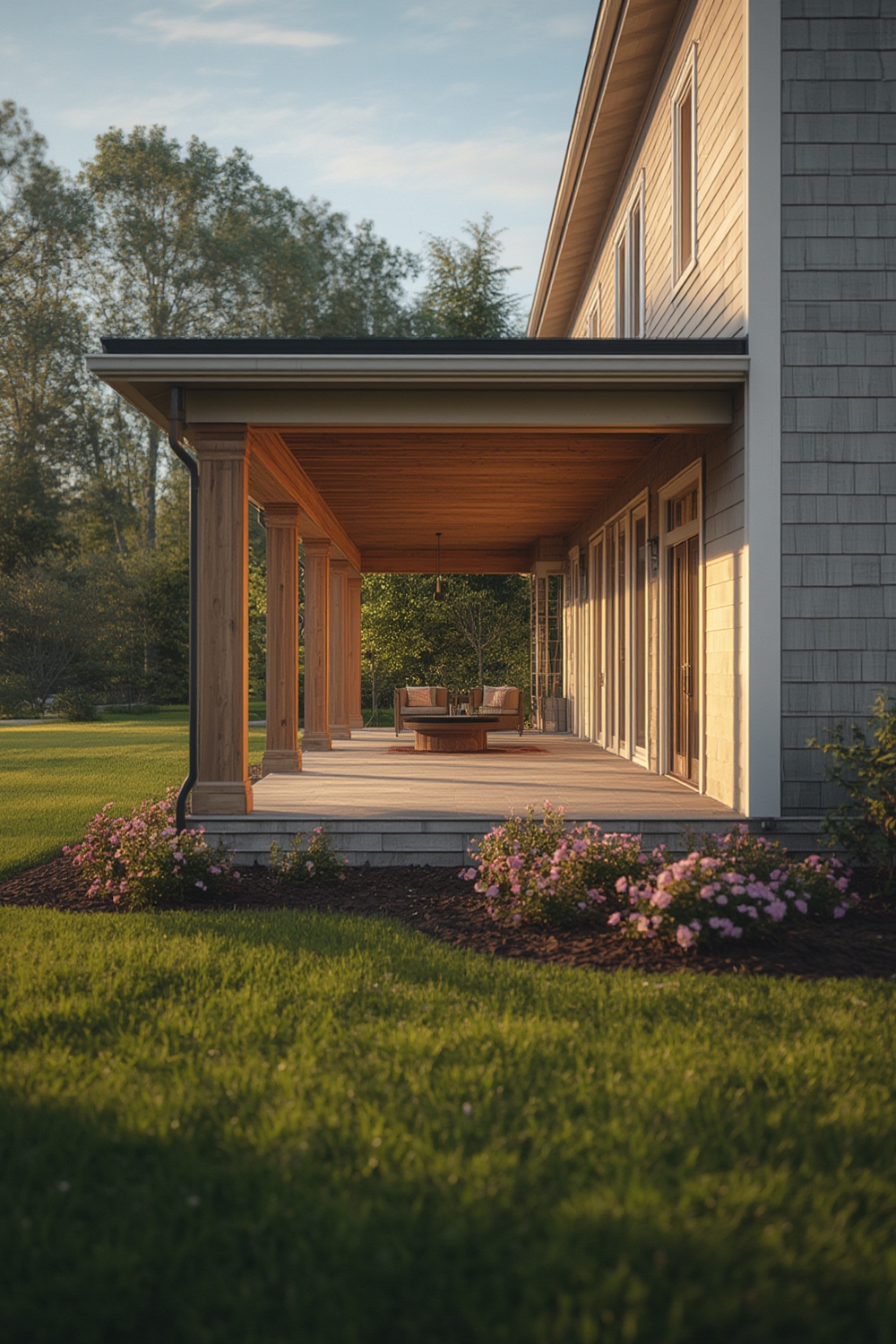
Remember: If you search for an affordable porch builder near me, the estimates you see are often just a starting point. Regional labor, climate-related upgrades (snow loads, hurricane tie-downs), and lumber price volatility all widen the range. There’s virtually no such thing as “one-size-fits-all” for budgeting, even for the same size porch.
What Homeowners Really Struggle With: Hidden Permit Delays, Cost Overruns, and Seasonal Usability
What derails most projects isn’t just sticker shock. Homeowners run into bottlenecks that never make it into average cost guides. Permit approval can stall for months, especially when city codes or historic district rules are in play—often with zero warning in the quoting phase. Wide cost ranges ($2,500–$90,000 total, $40–$120/sq. ft.) hint at frequent overruns due to missing or vague specs, or foundation/water table issues. Even extensive review of forums, Reddit, and review platforms uncovers little in the way of quantifiable complaint data—most stories are anecdotal, so you’re working blind.
Weather and seasonal usability are ignored in most “porch extension ideas” lists. An open porch becomes useless in winter, while glass or three-season enclosures inflate heating/cooling bills unless properly built. Instead of empty promises, demand that your builder explains insulation, weatherproofing, and foundation risk factors—particularly if your area is prone to frost heave or flooding.
Code and Permit Minefields: What Every Modern Porch Extension Must Get Right
Local code and permit requirements can torpedo your project’s timeline, budget, or even legality. Any porch extension that alters square footage, involves new foundations, or adds electricity will trigger permits—costing anywhere from $100 to $3,900, plus up to $700 for electrical review. The process involves several milestones (plan checks, progress inspections, finals), and missing even one can force a demolition order or stop-work notice.
But here’s the catch: top-ranking guides to porch extension ideas rarely break down permit types or thresholds. For example, adding a roof or extending over 120 sq. ft. may escalate your permit class. Many cities require waterproofing and energy code compliance for enclosed porch trends, especially if you plan to heat or occupy the space year-round. See examples for screening and electrical work, but recognize there’s no centralized, climate zone-specific breakdown—so always contact your local department before spending on plans or materials.
Technical Details Most ‘Porch Extension Ideas’ Guides Get Wrong (And What to Ask Your Contractor)
It’s shocking how little technical detail exists in articles promising front porch makeover inspiration or enclosed porch trends. Almost none mention footing depths (vital for frost-prone zones), beam/header sizes, or how insulation R-values affect year-round comfort and costs. Is your builder using 12 or 18-inch footings? Pressure-treated lumber or engineered wood? Meeting or exceeding R13 for walls and R30 for ceilings? If these aren’t specified in writing, press for answers—this can determine lifespan, utility bills, and even insurance eligibility.
Material price lists help, but without specs, you’re operating blind. Always ask if the design complies with your HOA guidelines and specific permit triggers. If your builder can’t show you regional code compliance or a portfolio of similar, properly permitted projects, keep searching. For more detail on how other home upgrades miss technical specs, review these kitchen screen partition ideas and loft renovation cost traps.
Modern Porch Designs 2025: What’s Actually New, and Do These Trends Justify the Hype?
If you’re hunting for modern porch designs 2025 or enclosed porch trends, expect recycled advice and little in the way of proven performance. While wood ($40–$50/linear ft.), composite ($15–$30), Trex ($15–$35), and glass ($100–$600) are all featured, there’s no 2025-verified data or energy benchmarks in mainstream guides. “Trendy” features—like huge glass sliding walls or advanced lighting—may require costlier permits and more maintenance, with no guarantee of higher resale value.
Before paying a premium, ask contractors for details on durability, warranty claims, and recommended maintenance schedules. Composite and aluminum are marketed as low upkeep but often require proprietary cleaning products. Glass extensions can dramatically increase both install cost and future repair risk if not properly detailed. See how technological features compare with other trending home upgrades, such as digital shower controllers and trending aurora projectors.
Selecting an Affordable Porch Builder Near You: The Criteria and Red Flags That Matter
Online searches for an “affordable porch builder near me” deliver generic lists, but almost never flag the risks unique to porch extension projects. Price range is a starting point: $40–$120 per sq. ft. or $4,000–$24,000 for a standard 200 sq. ft. build. Yet real “affordability” means paying for things that reduce disputes and delays—not just nailing a low sticker price. What matters:
- License and Insurance—Non-negotiable. Always request proof, not just a verbal claim.
- Project Portfolio—Ask to see 3+ porch extension examples built to code in your area, not just pretty photos from out-of-state jobs.
- Fixed-Price Contracts—Avoid cost-plus bids where you pay for every small overrun.
- Warranties—A solid builder puts all guarantees in writing, with specific terms for materials and labor.
Be wary of builders who can’t produce any of this instantly. Watch for red flags like unusually low bids, vague “allowances,” or up-front cash demands. For more on avoiding contractor headaches in other parts of the house, dive into these office cubicle transformation tips.
Do Porch Extensions Add Value? What Screened, Open, and Glass Porches Really Do for Resale
Will any new porch boost your home’s value? The answer is: it depends. Among all porch extension ideas, screened-in porches have the clearest ROI at 84% on average, according to industry sources. Still, there’s a void of region-specific or design-specific comps for open, enclosed sunroom, wraparound, or glass extensions. Wraparound porches cost as much as $150/sq. ft. but lack documented payback data. No MLS stat or survey ranks glass or modern porch designs 2025 for resale—a sign these trends are still unproven for ROI.
If boosting value is your main goal, always ask your Realtor for recent sales with similar porches in your zip code. Remember that porch upgrades add curb appeal but often don’t pay for themselves dollar-for-dollar. For more on maximizing home function versus pure ROI, check out these laundry automation trends.
FAQ: Porch Extension Ideas & Planning
How much does a typical porch extension cost in 2025?
For a standard 200 sq. ft. porch, expect $14,500 on average. Open porches range $40–$120 per sq. ft., enclosed designs reach $50–$175. Final price depends on local labor, materials, permits, and technical details. Always double-check if estimates include prep, demolition, and utility run-ins.
Which permits do I need for a porch extension?
Almost all porch projects require permits for structure, roof, and especially any new electric. Fees range $100–$3,900, plus $250–$700 for electrical. Always confirm with your local planning department before hiring a contractor.
How can I spot a trustworthy, affordable porch builder near me?
Ask for a license, insurance certificate, local project photos, fixed-price bid, and in-writing warranty. If a builder hesitates or offers only “verbal” proof, keep searching.
Do modern porch designs in 2025 actually save energy or increase value?
Some enclosure materials can improve insulation, but hard evidence for cost savings or resale is rare. Glass or high-tech features look impressive but often drive up costs and may require more maintenance. Screened porches have the best-verified ROI at 84%.
What technical details do most guides miss?
Critical omissions include footing depth (vital for frost areas), exact beam/spec sizes, insulation R-value for enclosed porches, and HOA/code triggers for size or finish. Demand these specs before signing a contract.
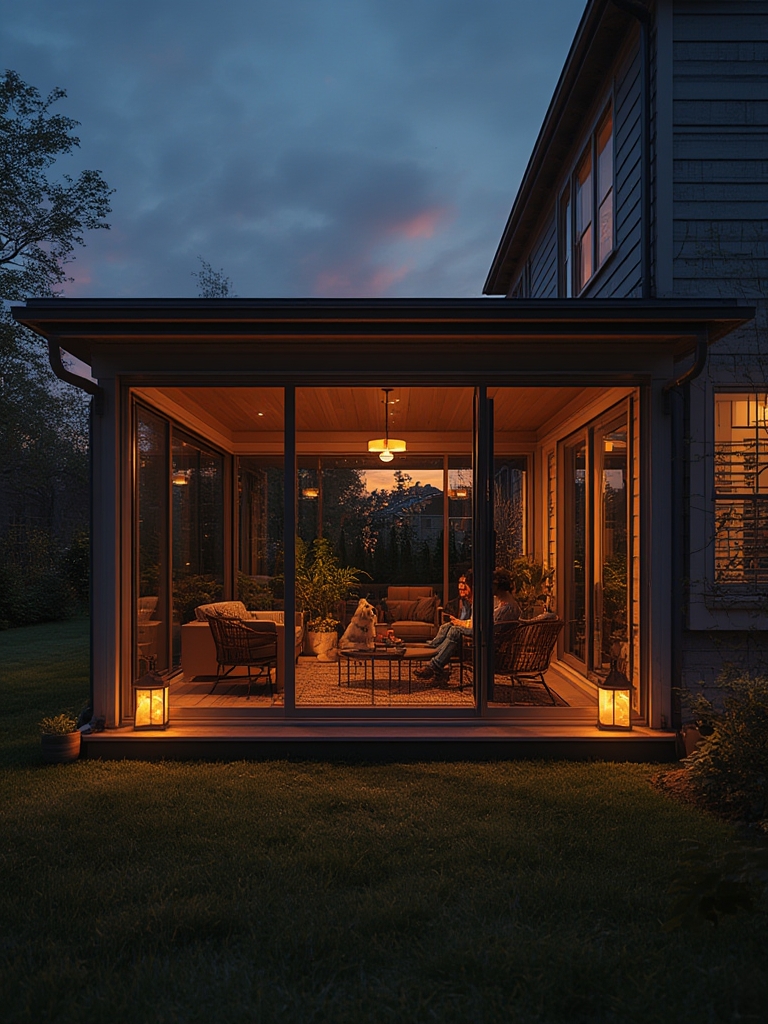
Conclusion
Most guides on porch extension ideas skip hard numbers, realistic code pitfalls, and real-world problems for homeowners. If you want value—not just a pretty photo—get everything in writing, confirm code compliance, and push for contractor proof at each step.
Ready to tackle your project the smart way? Start with a planning call to your local permit office, then compare bids only from vetted pros you can verify. If you need more inspiration for home upgrades, check out our advice on kitchen induction cooktop upgrades and portable washer solutions.
Don’t let hidden costs or missing code details derail your porch extension ideas—the right prep pays off for years to come. Act now: map your real-world priorities, push for hard numbers, and never sign a contract without proof.