Open plan kitchen dividers are everywhere in design magazines, but most guides miss real-world issues like noise, privacy, and building regulations that homeowners face after installation. Before you copy the latest trends, it pays to know what glossy articles leave out—so you don’t waste money or regret your renovation.
Key Takeaways
- Open plan kitchen dividers look great in theory, but often fail on privacy, noise, and legal compliance—factors rarely mentioned in style-first guides.
- Function and durability should drive your divider choice: opt for proven solutions, verify fire and safety ratings, and demand clear specs from manufacturers.
- Ask tough questions about noise, utility, codes, and support before buying—surface-level advice leads to costly regrets and unfinished projects.
- Why Open Plan Kitchen Dividers Are Suddenly in High Demand—And What Most Guides Miss
- The Seven Most Popular Open Plan Kitchen Dividers—How They Actually Perform
- What the Trendy Guides Won’t Tell You: Pain Points & Real-Life Limitations
- What Every Buyer Should Know about Modularity, Durability, and Compliance
- Costs, Lead Times & the (Missing) Fine Print with Kitchen Dividers in 2024
- The Boldest New Solutions (and What Sets Them Apart)
- FAQ
Why Open Plan Kitchen Dividers Are Suddenly in High Demand—And What Most Guides Miss
The demand for open plan kitchen dividers surged after the pandemic, as homeowners realized that fully open kitchens struggle with noise, cooking mess, and a lack of privacy. According to Homes & Gardens, closed concepts and zoned layouts will keep rising through 2026. Designers report that homeowners now want clearly defined kitchen areas, especially in apartments and small homes, to regain separation lost to trendy open concepts.
However, most top-ranking advice focuses on visual appeal and “flow”—often highlighting sleek glass screens, chic shelves, and bold bookcase dividers—while skipping how these products actually perform under daily use. Issues such as echoing noise, maintenance, weak mess concealment, and legal hurdles are seldom even mentioned. This kind of gap between marketing and reality shows up across many home improvement categories—for another example, see our loft conversion cost per square metre guide which exposes similar missing information in renovation budgets.
The Seven Most Popular Open Plan Kitchen Dividers—How They Actually Perform
Not all kitchen zone separators are created equal. Let’s break down the seven most-used types, how they compare in daily use, and what real homeowners should know.
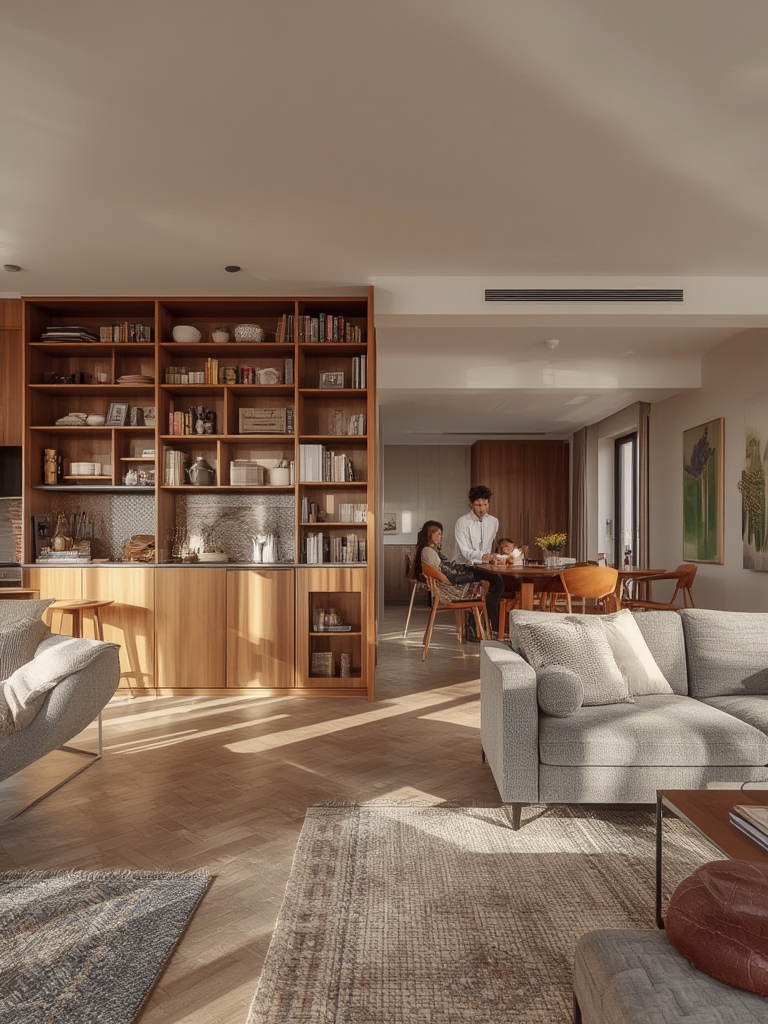
- Bookcase Dividers: Dual use for storage and separation. Good for displaying cookbooks or decor. However, limited mess hiding and noise absorption.
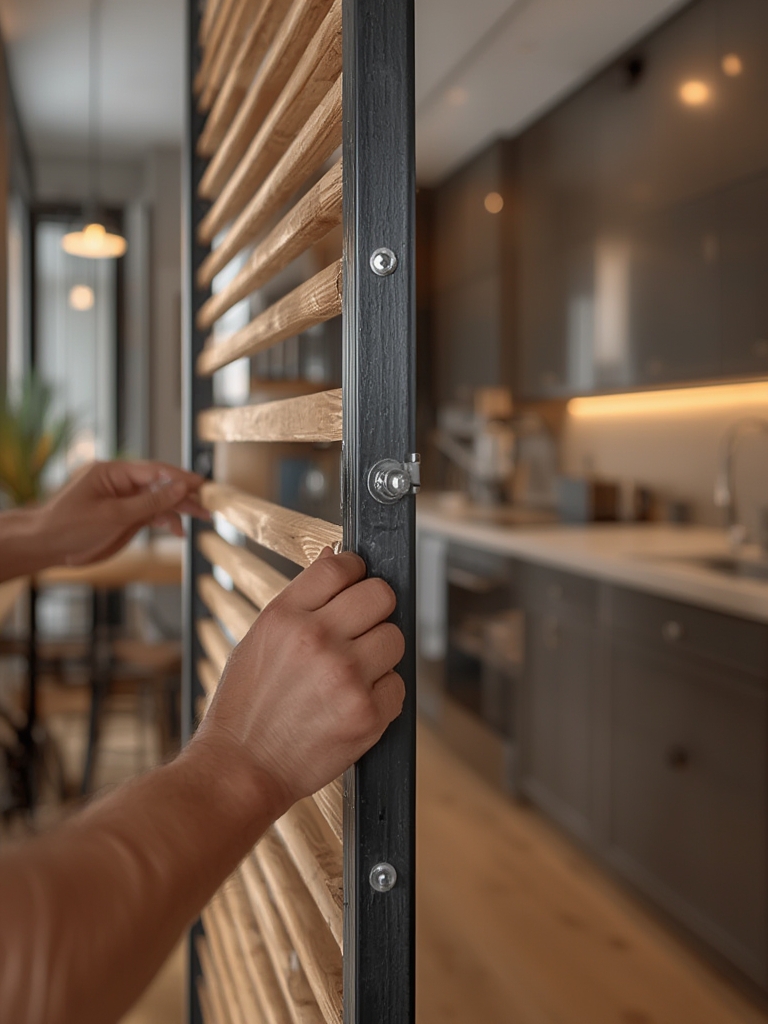
- Slatted Screens: Modern, light-friendly, and airy. Allow sound and smells to travel, and limited on privacy if you cook often.
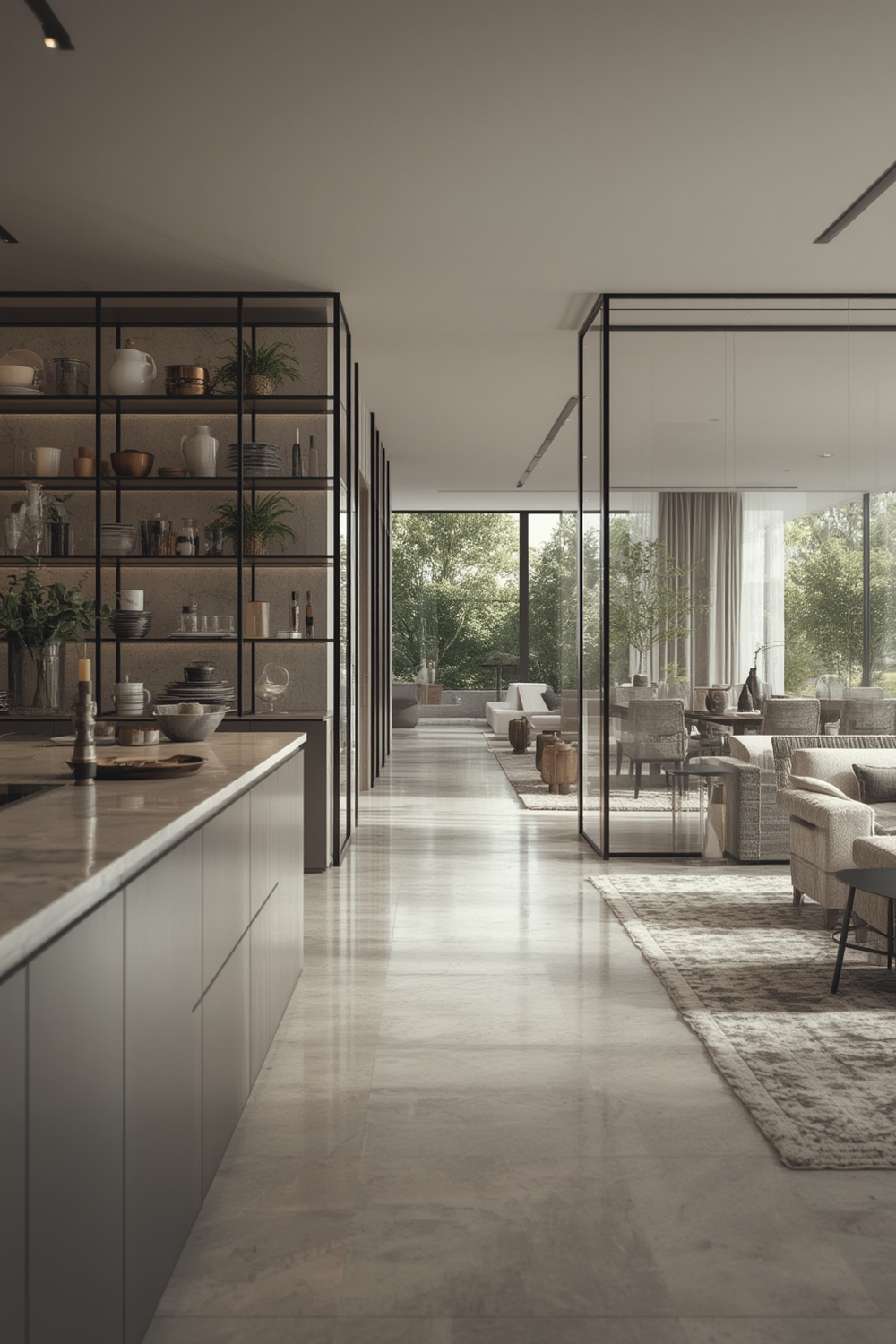
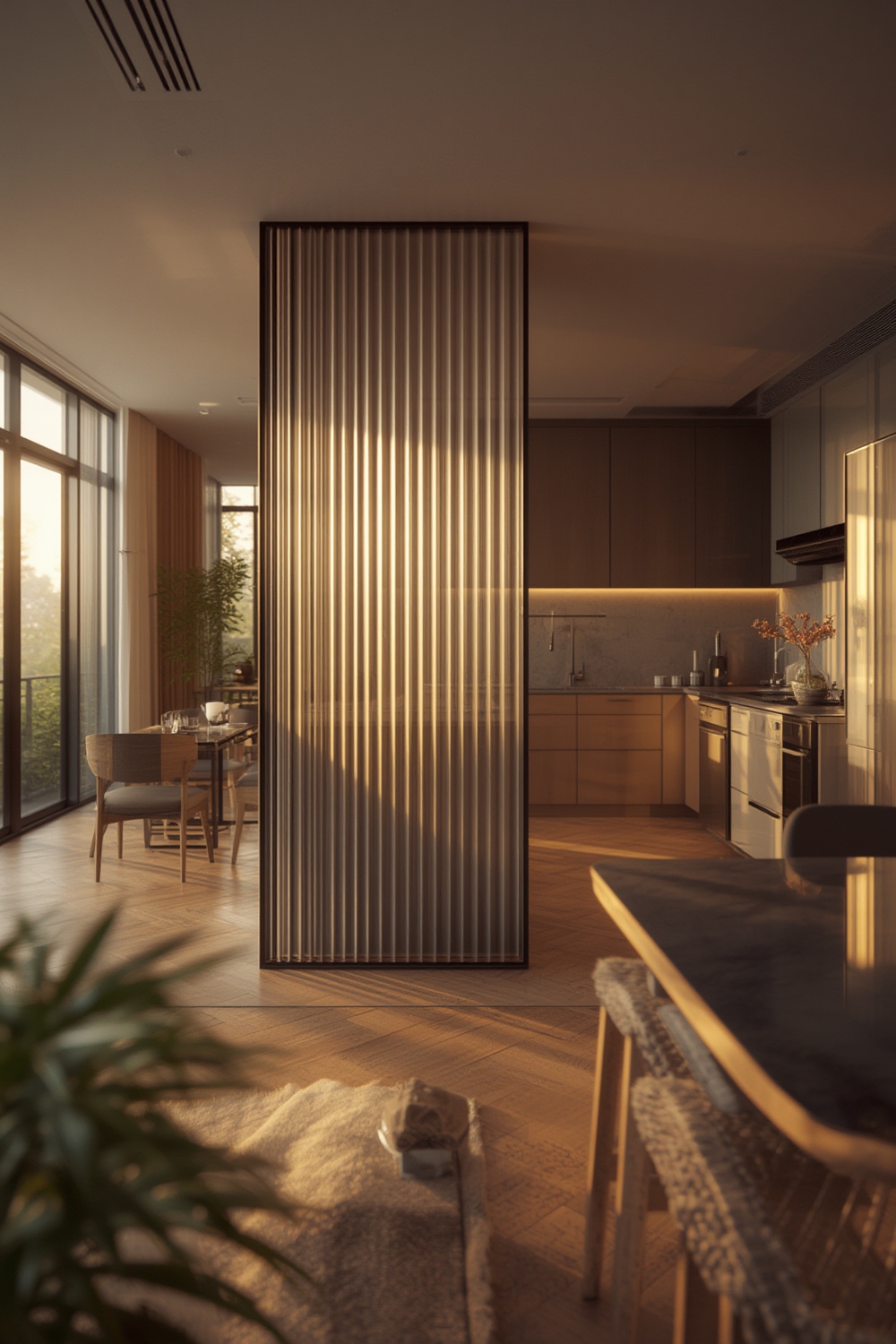
- Fluted/Steel-Frame Glass: Trendy for visual openness and light transfer. Difficult to clean, offers minimal noise/mess barrier, and prone to fingerprints or smudges.
- Low Partitions: Best for breaking up zones without total isolation. Good for visual distinction but do not block sound or hide dishes.
- Island Counters: Visually effective, add worktop or breakfast bar. No real sound barrier, and expensive to add post-build.
- Open Shelves: Allow for flexible zones and display space. Mess is always visible; no privacy and weak for noise control.
- Half-Walls: Combine structure and partial separation—sometimes double as storage but rarely provide full isolation or code compliance.
| Option | Light Transfer | Noise Control | Privacy | Mess Concealment | Storage Potential |
|---|---|---|---|---|---|
| Bookcase Divider | Medium | Poor | Medium | Low | High |
| Slatted Screen | High | Poor | Low | Very Low | Low |
| Steel/Fluted Glass | High | Very Poor | Very Low | Very Low | None |
| Low Partition | High | Poor | Low | Medium | None |
| Island Counter | Medium | Poor | Low | Medium | High |
| Open Shelves | High | Very Poor | Low | None | High |
| Half-Wall | Medium | Low | Medium | Medium | Medium |
What the Trendy Guides Won’t Tell You: Pain Points & Real-Life Limitations
Most trending advice treats modern open plan privacy as a “set and forget” issue, but the real-life challenges are significant and under-discussed.
- Installation headaches: Even so-called plug-and-play kits rarely fit out-of-the-box due to old walls or uneven floors. DIY mounting for “flexible” dividers can break plaster or damage finishes, especially for renters.
- Maintenance overload: Glass and slats both collect grease, dust, and fingerprints—requiring frequent cleaning in active kitchens. Open shelving multiplies clutter and dust issues.
- Inadequate noise/mess control: Most dividers (especially slatted or glass) block hardly any noise or food smells. Low partitions and shelves fail to hide dirty pans or busy countertops.
- Privacy limitations: Popular solutions look open for a reason—they trade away real privacy. Consider if that’s a dealbreaker for your household before copying the look.
- Regulatory gaps: Sources rarely mention fire safety, childproofing, or rental restrictions—a big risk if you want a permanent separator or live in a multifamily building that enforces building codes.
If you’re also upgrading other spaces and want to avoid similar pitfalls, our office cubicle makeover 2025 guide walks through a detailed framework for compliance, budgeting, and avoiding costly surprises in any space renovation.
What Every Buyer Should Know about Modularity, Durability, and Compliance
Any serious guide should help you zero in on product specs—not just mood board photos. But nearly all top-ranking articles overlook three core questions:
- Is the divider modular or fixed? Guides celebrate “flexible kitchen zone separator” solutions but rarely specify whether systems allow you to move or resize panels as your needs change. Make sure to ask vendors for precise specs before investing.
- What about durability in a real kitchen? Kitchens are harsh: humidity, steam, splashes, and daily wear destroy cheap materials. There’s a near-total absence of data on divider lifespan, cleaning resistance, or safety under heat.
- Is it compliant and safe? No leading source provides details on fire rating, toxicity, or code approval for permanent dividers. If you’re considering a steel, glass, or wooden wall, insist on documentation—especially if you’re under US or EU regulations, or intend to sell or rent your space later.
According to the latest design trend reviews (Homes & Gardens), “zoning” is chic, but specifics on reconfigurability, long-term material durability, and legal requirements for kitchen screen partition ideas are conspicuously missing.
Smart renovators always ask brands for fire safety certifications, moisture/heat/weight resistance specs, and manufacturer support for reinstallation. Most buyers skip these steps and pay twice: once for the trendy look and again to fix what the first product didn’t deliver. For more on smart home product certification requirements, see our digital shower temperature control guide which covers exactly how to request and evaluate compliance documentation.
Costs, Lead Times & the (Missing) Fine Print with Kitchen Dividers in 2024
Stunned by vague or missing price info? You’re not alone. No 2024 guides or reviews disclose specific costs, lead times, warranty options, or side-by-side brand comparisons for open plan kitchen dividers.
Mention of glass screens, sliding doors, or shelving partitions is common—but without vendor details or clear post-purchase support. That’s a risk for buyers, especially when lead times for glass or custom partitions can stretch for months and warranties are unclear at best.
Before locking in your order, insist on full written quotes, warranty documentation, lead time guarantees, and comparison from at least two reputable sources. For a proven approach to uncovering hidden renovation costs before they hurt you, read our loft conversion cost per square metre guide.
The Boldest New Solutions (and What Sets Them Apart)
If you want to break from the usual, 2024’s most exciting moves blend flexibility, function, and style—without major construction. Designers and users alike have begun turning to:
- Broken-plan zoning: Using open shelves or partial partitions to delineate zones with less mess and easy reconfiguration.
- Fluted/steel-frame glass: Modern, semi-permanent installations that improve light flow and offer a sleek, industrial look, though often at the expense of acoustics.
- Living room bookcase dividers: Double as storage and cleverly separate the kitchen without blocking all light or requiring wall removal.
- Sliding or pocket doors: Hide kitchen clutter completely when needed, but can be left open for social spaces—ideal for small apartments.
- Half-walls with storage: Add lower storage and partial sightline breaks, maximizing utility in compact homes.
Many of these “flexible kitchen zone separator” options are validated by a 2026 trend consensus for coziness and practicality (Decoist).
For renters, freestanding bookcases provide instant modern open plan privacy without tools or permits. For lighting inspiration for your newly defined kitchen zone, check out our aurora projector lamp guide for ideas on creating the right ambiance in your kitchen’s open living area.
More Home Improvement Guides
- Loft Conversion Cost Per Square Metre: Avoid Hidden Expenses
- Digital Shower Temperature Control: 7 Ways to Unlock Pro-Level Results
- Office Cubicle Makeover 2025: Transform Your Workspace
- Folding Machine for Laundry: Avoid 5 Mistakes Before You Buy
- Aurora Projector Lamp Trending: What to Know Before Buying
FAQ
Do open plan kitchen dividers really reduce noise?
Most do not, unless you use solid, insulated panels or doors. Slatted screens, open shelving, and glass provide mainly visual separation, not acoustic. If noise reduction is critical, specify acoustic-rated partitions.
Are kitchen dividers renter-friendly?
Some modular dividers (like bookcases or tension-mounted screens) can be easily removed without damage, making them suitable for renters. Always check with your landlord before installing any built-in dividers.
Which kitchen screen partition ideas work best for small spaces?
Open shelves, low partitions, and mobile screens are top picks for compact homes. They create definition without crowding the room or blocking light.
How do I know if a divider is building code compliant?
You must request written certification from manufacturers or installers, especially for fire rating and weight-bearing specs. Local authorities or licensed contractors can clarify which codes apply in your area.
Where can I find reliable reviews for flexible kitchen zone separator systems?
User-verified reviews are scarce. Try online forums like Houzz, Reddit, or check for detailed feedback from similar homeowners—manufacturers often only provide style-based testimonials.
Conclusion
When it comes to open plan kitchen dividers, don’t be fooled by looks alone. Instead, demand proven specs on noise, privacy, safety, and compliance to find a solution that lasts. Whether you choose bookcases, glass screens, or half-walls, insist on clear warranties and practical testing. For more actionable advice, ideas, and renovation checklists, start exploring our in-depth guides above—and don’t hesitate to ask suppliers the tough questions before making the leap.
Ready to transform your space with the right open plan kitchen dividers? Browse our latest design solutions or connect with experienced remodelers for a custom plan tailored to your home.