
Move out cleaning checklist viral guides are everywhere—but most renters who trust them risk costly deposit losses. The truth? Over half of UK deposit deductions are for cleaning, with average charges hitting £250 when you miss what viral checklists ignore. In this post, you’ll get the proven steps, legal facts, and forensic documentation tricks that actually stop landlords from taking your money—and none of the tired, incomplete advice from generic lists.
Last updated: June 2024
You’ll learn: why viral move-out checklists fail, which hidden cleaning mistakes really drain your deposit, legal requirements for “clean,” and the evidence you’ll need to pre-empt landlord disputes. This is the only resource that turns end-of-lease cleaning into a winnable process—no matter if you’re set on DIY or hiring pros.
Key Takeaways
- Most viral move out checklists miss high-risk spots and critical proof steps—these gaps cost the average renter £250+ per move.
- The only way to safeguard your deposit is by matching your cleaning to your check-in inventory and gathering timestamped, itemized evidence.
- Professional cleaning pays off for deep-clean hotspots like ovens and carpets, but you can defend your DIY work if you follow legal standards and document everything.
- Why Most “Viral” Move Out Cleaning Checklists Fail (and Cost You £250+)
- The Pain Points Landlords Actually Fine For—Real Failure Modes from Tenant Reports
- When DIY Isn’t Enough: Hard Numbers Comparing Deep Cleaning Yourself vs. the Pros
- The Legal Reality: What “Clean” Actually Means, What Landlords Can (and Can’t) Demand
- The Rigorous Exit: A Pro-Level, Legally-Defensible Final Cleaning Workflow
- The (Hidden) Traps: Charges, Tactics, and How to Defend Your Deposit with Evidence
- Deposit Deadlines, Dispute Paths, and Next Steps in Major Jurisdictions
- FAQs
Why Most “Viral” Move Out Cleaning Checklists Fail (and Cost You £250+)
Most viral move out cleaning checklist viral guides tempt you with neat, one-size-fits-all tick lists. In practice, these checklists often leave big gaps: they miss what your landlord will actually inspect forensically, fail to match your original check-in inventory, and never mention proof like before-and-after photos or itemized receipts. That’s why, according to Buzzmaids and Property118, cleaning is now involved in a staggering 56–63% of all UK deposit deductions, averaging £250—and nearly a third of these losses are over £500.

I’ve seen tenants lose hundreds because they followed viral lists that ignore things like oven trays, extractor fans, or mould behind the bathroom sealant. Landlords (or their agents) use strict checklists during exit inspections, comparing every room versus your check-in photos and inventory—so anything missed, or not matching condition precisely, is easy money for them to deduct.
Take this real-world scenario: you clean the kitchen cabinets and sweep the floor, ticking “kitchen” off your list. But grease on top of wall units, burnt-on oven trays, and limescale on the tap are missed. Those few slips, at market rates, can trigger £50–£150 deductions each (and landlords are not required to give you a second chance once you hand in the keys).
Popular articles and TikTok/Trello checklists usually skip the crucial legal step—cleaning only to check-in standard, not perfection—and forget the protective power of dated photo evidence.
If you want to see how tech transforms other home challenges (like streamlining kitchen layouts), check our guide on open plan kitchen dividers.
The Pain Points Landlords Actually Fine For—Real Failure Modes from Tenant Reports
What do landlords really check—and fine for—during final inspection? Forget spot-cleaning baseboards or scenting rooms: the data and tenant forum stories are brutally consistent. The high-risk hotspots are:
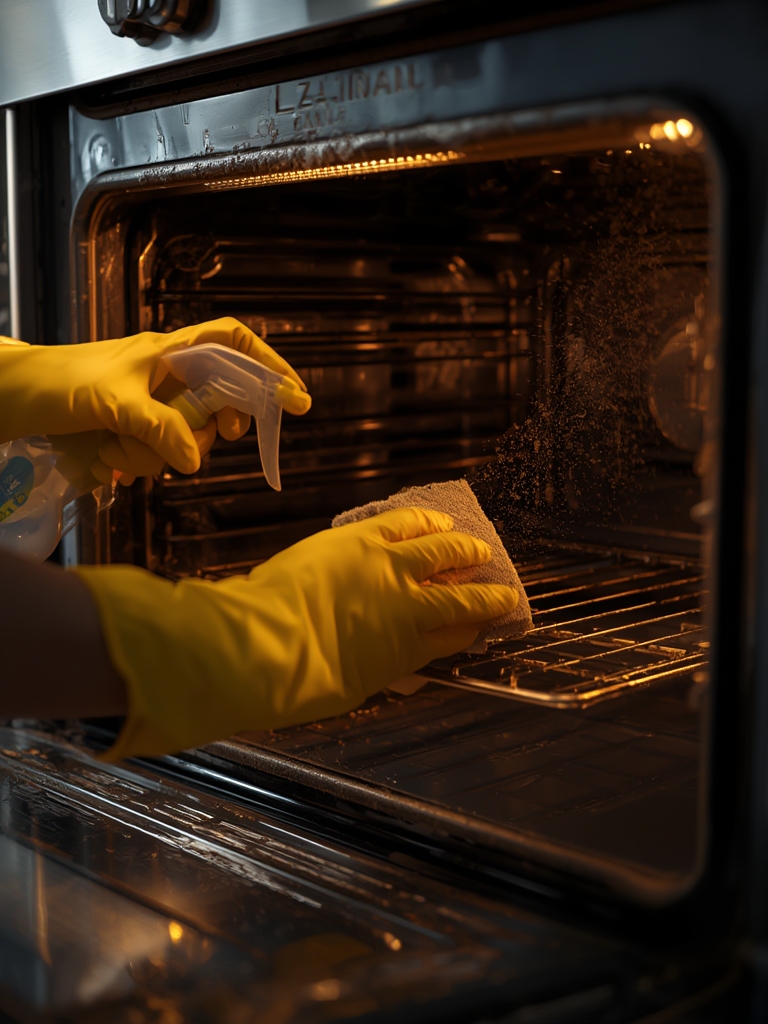
- Oven grime: Even a lightly greasy oven or tray can mean £50–£100 off your deposit.
- Carpet stains: One unlifted stain, especially in living rooms or bedrooms, triggers £120–£200 charges.
- Bathroom limescale/mould: Shower screens, taps, and grout are targeted for £75–£90 deductions if they show residue or black marks.
- Kitchen grease: Cabinet tops, extractor fans, and splashbacks can mean £150–£180 if left sticky.
- Sofa stains/pet hair: Upholstery and soft furnishings draw £100–£130 charges—whether or not you have pets on record.
- Extractor hoods, windows, door frames: These are often skipped on viral lists but frequently cited in tribunal cases as deduction sources.
If you scan industry complaints, deep clean “blind spots” (like washing machine seals or behind toilets) consistently trip up DIY efforts. Cleaning professionals and dispute forums reference that landlords seek out exactly the issues most viral checklists gloss over—especially in kitchens and bathrooms, where “surface clean” isn’t enough.
To upgrade your home cleaning routine even during your tenancy, see our deep dive into cordless steam mops—tech that moves quickly from viral trend to practical daily lifesaver.
When DIY Isn’t Enough: Hard Numbers Comparing Deep Cleaning Yourself vs. the Pros
DIY end of lease cleaning can save cash up-front, but is it really worth it if you risk £250–£500 or more in deposit deductions? Data gathered by UK cleaning companies and rental platforms reveals a stark gap: professional cleaning (with “premium” coverage for ovens, appliances, extractor hoods, and carpets) achieves a 90% full deposit return rate. By contrast, tenants who go DIY see only 40–50% success—and most face deductions for just two or three overlooked hotspots.
Here’s what professional end of tenancy cleaning costs, depending on flat size:
- Studio flat: £80–£120
- 1–2 bedroom apartment: £180–£260 (median is £260 for a 2-bed)
- 3–4 bedroom apartment: £300–£450+
Professionals also include a checklist and invoice—essential for deposit dispute defense. Realistically, if your inventory marks “professionally cleaned” at check-in, you’ll need a similar certificate on exit to avoid issues.
If you skip the pros, budget at least 2–3 days for a deep clean, counting an entire day for the kitchen alone if you tackle the oven, extractor, fridge, and cabinets yourself.
| DIY Cleaning | Professional Cleaning | |
|---|---|---|
| Cost | £15–£80 (products/tools) | £80–£450+ (depends on size/package) |
| Time Required | 1.5–3 days | 4–8 hours (crew works while you do other tasks) |
| Full Deposit Return Rate | 40–50% | 90% with premium packages |
| Proof Provided | Only if you document everything yourself | Invoice, checklist, often before/after photos |
| Best For | Low-budget, small flats, tenants with time | Busy professionals, high-value deposits, strict inventories |
Expert opinion: Buzzmaids reports that investing in professional cleaning is “the single most effective way to protect your deposit”—especially when the original inventory lists any “professional clean” standard.
The Legal Reality: What “Clean” Actually Means, What Landlords Can (and Can’t) Demand
Too many move out guides gloss over what “clean” means legally—it’s not about clinical perfection, and landlords have strict limits. Under UK law (confirmed by Magic Pro Cleaning and EVO-PM), landlords can only demand a property be restored to its original check-in standard—no higher. They cannot deduct for “deep cleaning” or “professional cleaning” unless the place was professionally cleaned before you moved in, as documented in the inventory.
Fair wear and tear—such as faded paint, minor carpet wear, or tired grout—cannot be legally deducted from your deposit. But “dirtier than check-in” (think: crumbs, limescale, pet odour, heavy dust) absolutely can. Further, landlords must itemize each deduction (e.g., “oven cleaning £50”) and supply receipts or proof on request. Vague claims (“whole flat needs cleaning: £250”) have no legal backing if you challenge them.
In short: your goal is to mirror your check-in inventory. If the original photo shows a clean but slightly stained carpet, don’t pay for total restoration.
For hands-on tips about simplifying kitchen cleaning and maintenance, our reviews of portable induction cooktops offer hacks that make day-to-day messes far easier to handle.
The Rigorous Exit: A Pro-Level, Legally-Defensible Final Cleaning Workflow
Here’s the evidence-backed process for apartment deep cleaning that matches (and often exceeds) what pros do. This approach is designed for 1–3 bedroom flats, but works for most rental types—especially when deposit disputes are a risk.
- Study Your Check-In Inventory & Photos: Print or load your move-in documents. List each item/location (e.g., oven trays, shower grout, extractor fan filters) so you have a ready reference.
- Gather Proof Now: For each area, take clear, timestamped before photos. This pre-empts claims that dirt or minor damage predates your exit.
- Target High-Risk Hotspots: Clean the oven (inside, all trays, back wall), sinks/taps (de-limescale), all kitchen and bathroom tiles, under/behind appliances, and all carpets or soft furnishings. Don’t skip extractor fans or window ledges.
- Work Room by Room, Documenting as You Go: After cleaning each space, take after photos matching your before shots. Use a cleaning checklist based on your own inventory—not a viral generic list.
- Final Checks & Signing: Invite the agent or landlord to a joint inspection with your evidence on hand. Have them sign off any agreed cleaning points if possible.
Recommended products (what pros use): microfibre cloths, degreaser, professional oven cleaner (but non-abrasive if rented appliances), descaler for bathrooms, and HEPA vacuum for carpets. Optional: steam mop for tiles or floors (cordless versions cut effort dramatically), and enzyme spray for upholstery.
Data shows that professional “premium” end of lease cleaning services—those that always include oven, extractor, carpets, and appliances—get a stunning 90% pass rate at final inspection. Cutting corners on these is the most common source of deductions; basic packages or DIY lists that don’t cover them almost always fail inspection.

You can further upgrade your efficiency—even if you’re deep cleaning regularly—by using “smart” gadgets like those reviewed in our guide to folding machine laundry helpers.
The (Hidden) Traps: Charges, Tactics, and How to Defend Your Deposit with Evidence
Hidden cleaning charges and unscrupulous landlord tactics often blindside unprepared tenants. Landlords sometimes issue blanket claims (“flat not professionally cleaned: £250”) with no supporting invoices or photos. Sometimes, one missed oven or bit of pet hair is used to justify a full-flat cleaning deduction. In serious disputes, “fabricated” or exaggerated cleaning claims occur—like billing for areas already clean at check-in, or charging for “odour removal” never detailed in inventories.
How to bulletproof your defense:
- Keep itemized before/after photos for all risk-prone areas—kitchen, oven interiors, shower grouting, carpets, behind appliances.
- Save your cleaning invoices or receipts (even DIY product receipts help).
- Use a phone/computer that timestamps your images.
- If available, conduct a joint inspection with your agent and request a written/signed statement on the spot.
- Challenge any vague claims promptly; by law, landlords must supply evidence and match check-in standards—not “better than new”. (Magic Pro Cleaning)
Best practice: Organize your photos in folders by room, labelled with date/time and a quick note (“oven after deep clean 22 June 2024”). If you dispute a deduction, present only the photos for the relevant area, along with matching check-in images for comparison.
Want more tricks for hassle-free cleaning tech? Our mini washer review shows how to tackle stains and laundry pitfalls in small apartments—a rental essential.
Deposit Deadlines, Dispute Paths, and Next Steps in Major Jurisdictions
Understanding your rights post-cleaning is crucial. In the UK, there’s no fixed legal deadline for deposit return, though most schemes (TDS, DPS, MyDeposits) release funds within 10–30 days if both parties agree—even faster if you submit clear evidence. Landlords must justify every deduction with evidence tied to the check-in report. Disputes go to a tenancy deposit scheme adjudicator, who matches all evidence (so organized before/after photos are your lifeline).
For non-UK renters, the timelines vary: In the Netherlands, for instance, deposits must be returned within 14–30 days once damages are documented (NL Times). In the US and Australia, state or territory laws range from 10 to 60 days for returns/disputes, but the need for check-in/out evidence is universal.
Final step: If you face a challenge, escalate via your country’s statutory deposit protection scheme. Prepare your evidence in advance—it’s by far the strongest weapon for defending your cleaning efforts.
For more on upgrade-worthy smart home moves and automating tricky chores, check out our picks for the best home assistant hubs—an essential for tech-savvy renters and homeowners.
FAQs
What do most move out cleaning checklist viral posts get wrong?
Most viral posts cover basic cleaning but miss forensic hotspots like oven trays, inside extractor fans, and behind appliances. They also rarely mention matching your check-in inventory, taking timestamped photos for proof, or the legal limits on landlord deductions—key for successfully defending your deposit.
How can I make a checklist for final apartment clean that’s legally robust?
Base your checklist directly on your original check-in inventory and photos. Focus on the areas most likely to incur deductions—ovens, carpets, limescale spots, extractor fans. Use before/after timestamped photos and keep any cleaning receipts or invoices for ironclad evidence.
Is professional cleaning always required for end of lease cleaning?
Professional cleaning is only legally required if your property was professionally cleaned before your tenancy, and it’s specified in your check-in documents. If not, you can DIY, but you must restore the property to the same standard and document your results thoroughly.
What can landlords legally deduct from my deposit for cleaning?
Landlords can only deduct costs to restore cleaning to the check-in standard, not for upgrades or normal wear and tear. Claims must be itemized (not vague) and backed by evidence, such as photos and invoices. Charges for services you can prove were unnecessary are not enforceable.
How long does it take to get my deposit back after moving out?
In the UK, there’s no fixed national deadline, but most tenancy deposit schemes process returns within 10–30 days after agreement. Disputes can extend this, especially if evidence or invoices are missing. Other countries may have stricter or shorter legal deadlines.