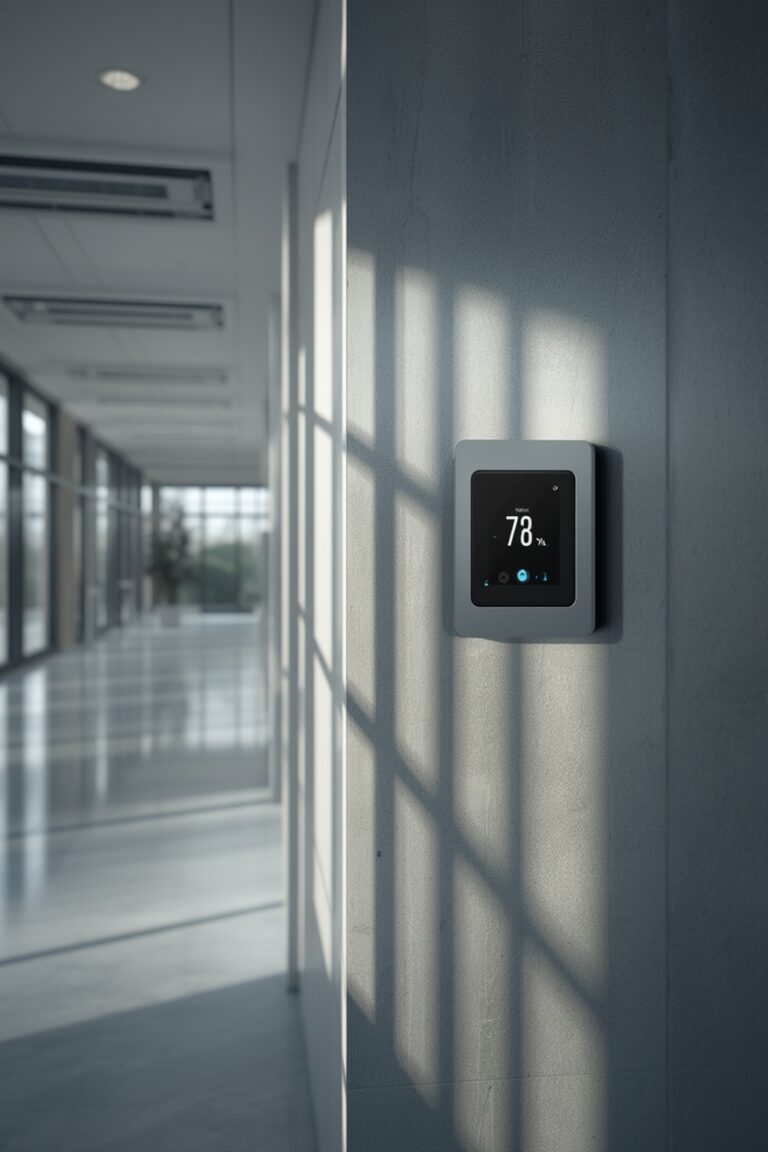
LED mood lighting wall strip kits are everywhere—on TikTok, in trending apartment makeovers, and all over Amazon. But the critical facts behind these wifi/app-controlled or budget multi-color kits are frustratingly hidden, leaving even savvy buyers to guess at long-term safety, reliability, or real specs.
Last updated: June 2024
If you want stunning color-changing accent lights for your walls but don’t want buyer’s regret in a year, this guide breaks down what truly matters: which specifications count, which hidden issues people face, and exactly what sellers and reviews aren’t revealing—plus expert-backed steps to make a wise choice.
Key Takeaways
- Specs like lumens per meter, CRI, and safety certifications are rarely standardized or even listed, making product comparison nearly impossible even for tech-savvy buyers.
- Real-world pain points—especially adhesive failures, Wi-Fi/control dropouts, and unverified app security—remain unreported by brands and major review sites, leaving you to risk frustration or worse.
- Long-term costs and reliability factors are hidden; few, if any, mainstream kits publicly disclose warranty terms, proper PSU sizing, or support policies—demand more transparency before you purchase.
- The Surging Market for LED Mood Lighting Wall Strip: Hype vs. Reality
- What Specs Actually Matter (And Why Most Sellers Won’t Show Them)
- Real-World Frustrations: The Missing Data on Pain Points and Failures
- The Hidden Cost Factors: Pricing, Power, Warranty, and Safety Certification
- App Security and Privacy: What Buyers Do Not Know (And Should)
- Durability, Installation, and Long-Term Risks: What’s Still Unanswered
- Summary & What To Do Next
- Frequently Asked Questions
The Surging Market for LED Mood Lighting Wall Strip: Hype vs. Reality
The growth of connected lighting is hard to ignore. The global LED strip market reached $2.5 billion in 2023, with smart and color-changing strips—especially for walls—dominating TikTok and Pinterest decor trends. Experts expect this sector to triple by 2032 (source). Yet beneath the surface, buyers run into a surprising lack of reliable sales breakdowns, popular model listings, or any way to distinguish trending wifi LED strip kits from cheaper, non-smart options.
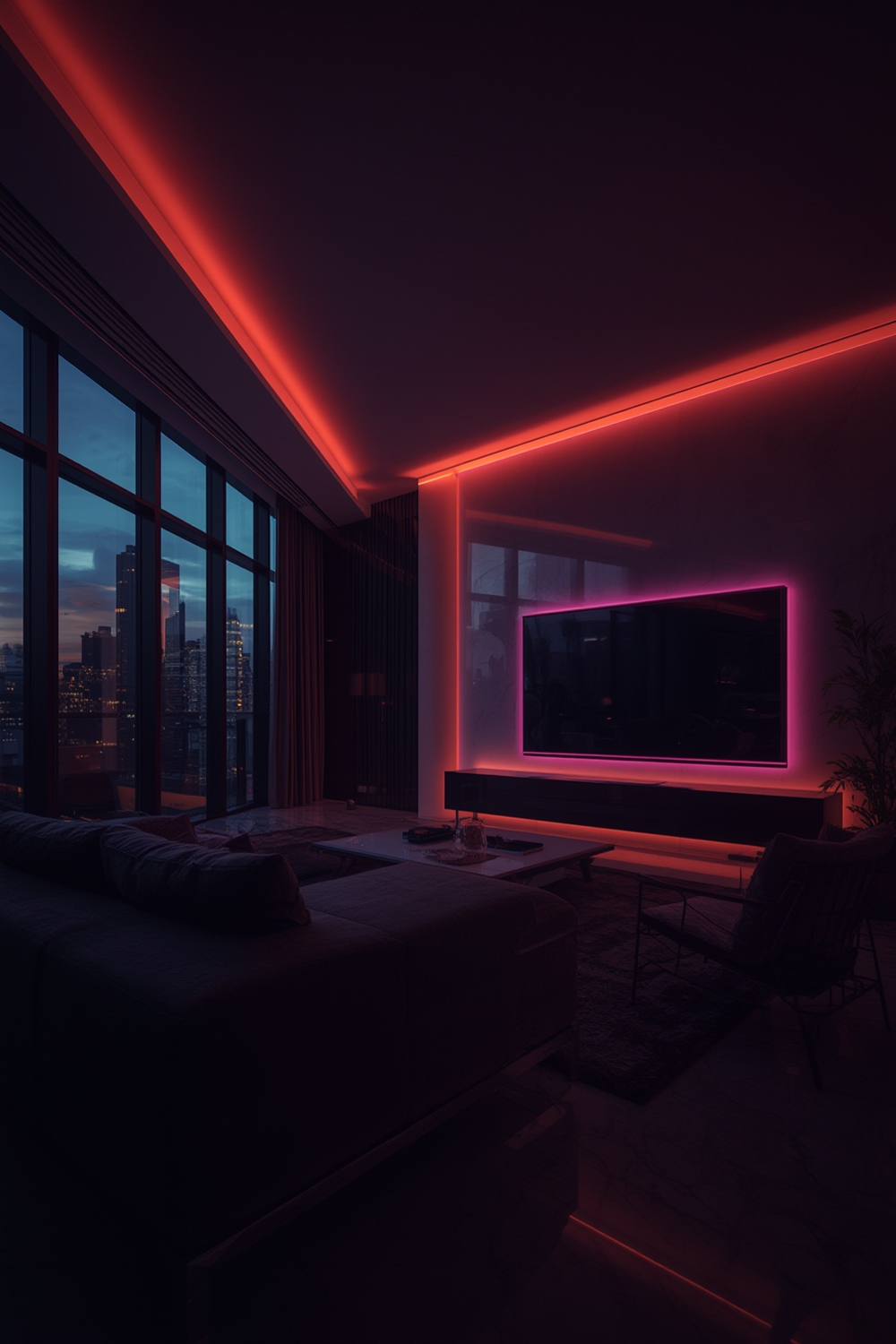
In practice, the surge is driven by Instagram-ready living rooms, flexible home offices, and even trending open-plan kitchen makeovers (see these divider ideas). Yet if you try to find which brands or specific multi color LED light strip models top the charts—or what share of the market is smart versus non-smart—the data just isn’t published. You’ll see mentions of “3528” or “5050” LEDs, billions of meters made, but no real user-centric or safety-based differentiation.
This lack of transparency means that even for tech enthusiasts or renters trying to jazz up an office cubicle (cubicle makeover tips), crucial buying questions remain unanswered.
What Specs Actually Matter (And Why Most Sellers Won’t Show Them)
If you want to choose the best multi color LED light strip for an app controlled LED home, you need hard numbers: brightness (lumens/meter), accurate colors (high CRI), real power draw, length limits before voltage drop, package type (5050, WS2812, COB, etc.), and an IP rating for moisture or dust in kitchens or baths.
Yet after assessing top articles and top Amazon reviews, here’s the truth: these specs are either missing, only partially disclosed, or simply inconsistent across brands. Even the most reputable reviews rarely state if the strip is pixel-addressable (for smooth effects), what the run length is before color shift, or whether the voltage is 12V, 24V, or USB-powered.
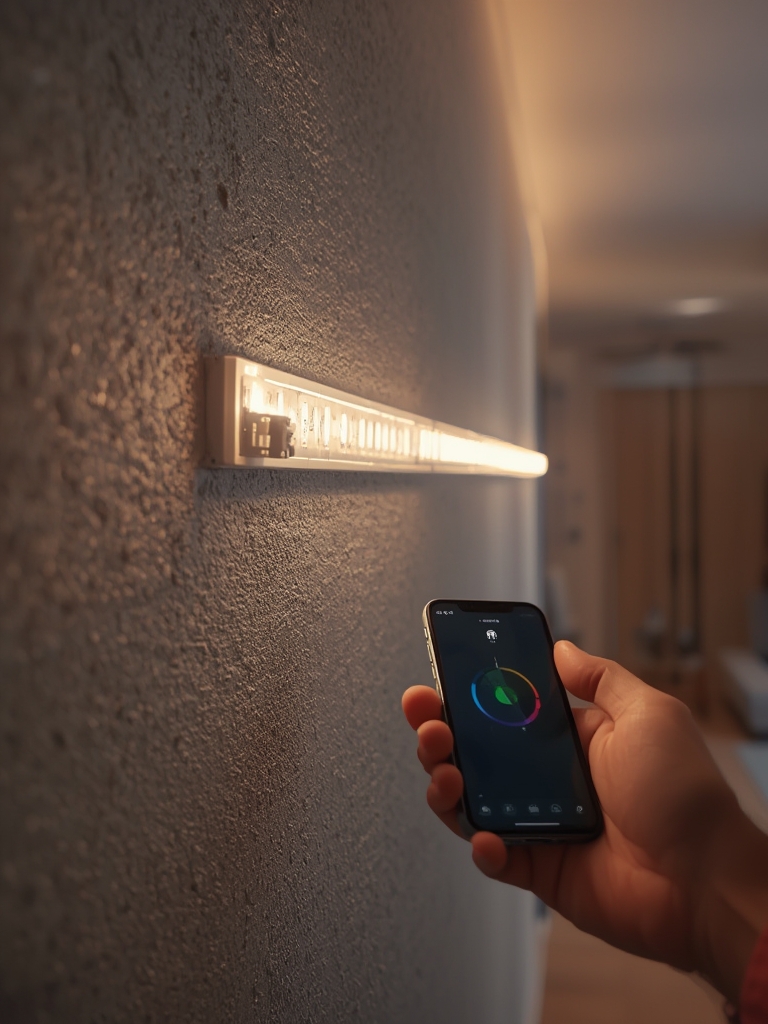
COB strips look great on paper, but almost no listings specify voltage (which impacts safety), pixel-addressability, or waterproofing level. Without these, you risk installing a dazzling accent light in a humid bathroom—or near a kitchen steamer (find trusted kitchen devices)—only for it to fail within months.
Consistent disclosure of these specs should be non-negotiable. Until then, buyers are taking a gamble every time.
Real-World Frustrations: The Missing Data on Pain Points and Failures
Ask any apartment dweller who’s installed color changing LED wall lights: performance rarely matches the hype, but finding real-world data on what fails—or how often—is almost impossible. Major review aggregators and Reddit threads contain anecdotes about adhesive failures, controller “bricking,” color drift, or Wi-Fi dropout, but not a single source quantifies these problems (industry source).
In day-to-day use, weak adhesives can leave strips drooping from textured drywall within weeks. Some app controlled LED home kits suffer input lag, random disconnects, or heat issues—especially the brighter, high-wattage models. Yet not one top brand, seller, or “best of” list even attempts to publish occurrence rates for these pain points. As a result, you’re left guessing at the reliability of the stuff you mount above your bed or line your living room wall with.
As someone who’s tested strips on both painted and wallpapered surfaces, I can confirm: unless you reinforce the adhesive (3M VHB tape is your friend), you may be re-sticking corners constantly. And if the remote or app loses connection? Most budget kits require a full power cycle or even re-pairing—good luck explaining that to a guest or partner trying to use the setup.
The Hidden Cost Factors: Pricing, Power, Warranty, and Safety Certification
Cost is more than just what’s on the Amazon “buy” button. Real total prices include PSU sizing (power supplies can run $15–$45 extra for long runs), mounting hardware (not always included), and, critically, whether the product is safe for US indoor use—something most listings ignore entirely.
Here’s the secret: No mainstream kit discloses street price ranges versus MSRP, true power draw per meter, or what’s actually covered under warranty (or for how long). And despite the clear fire risk, very few specify if their power supply or strip is UL/ETL certified (the gold standard for US indoor safety). If you plan to use these around kids, pets, or in rental apartments, this blind spot can turn a fun upgrade into a potential headache or hazard.
Lack of transparency on real-world costs and certifications isn’t limited to lighting—many “viral” gadgets skip the details. If you value reliability, scrutinize warranty terms as you would for any portable device (see our USB washer guide for more on evaluating support and TCO).
App Security and Privacy: What Buyers Do Not Know (And Should)
If your wifi LED strip trending kit lives in your “app controlled LED home,” you’re trusting an entire chain of cloud accounts, companion apps, and router permissions. The reality? No brands publish security or privacy audits, no reviews or forums give percentages for telemetry collected or how many require cloud logins. Incidents—from actual CVEs to forgotten password/account takeover—go unreported and unsupported.
Most smart strips require account creation, cloud access for “out of home” features, or data sharing for voice assistant integration—yet there’s zero data on which brands handle this securely. Home automation pros generally recommend stripping app permissions down to the essentials and are wary of brands without a US support desk (see our AI-powered home assistant hub guide for securing your home network).
If you value privacy and reliability, prioritize kits with exhaustive privacy policies or those compatible with secure standards like Matter or HomeKit (see how interoperability changes the game). But until manufacturers become transparent, every smart strip app is a black box risk.
Durability, Installation, and Long-Term Risks: What’s Still Unanswered
Want to know the true lifespan of your LED mood lighting wall strip? Too bad. Not one brand or ranking site has published long-term tests, dominant failure modes, or real-world warranty claim rates for multi color LED light strip kits. No product comparison shows total cost of ownership or spare-parts availability—even among leading names.
Buyers also face uncertainty about installation: There’s no measured data (or guidance) on run length limits before voltage drop and color shift ruin the effect, nor on what gauge of power lead or mounting hardware is ideal across wall types. As seen with attempted “quick office makeovers” and “kitchen zone upgrades,” you’ll have more reliable results if you use extra adhesive, test power draw before commit, and over-provision your power supply.
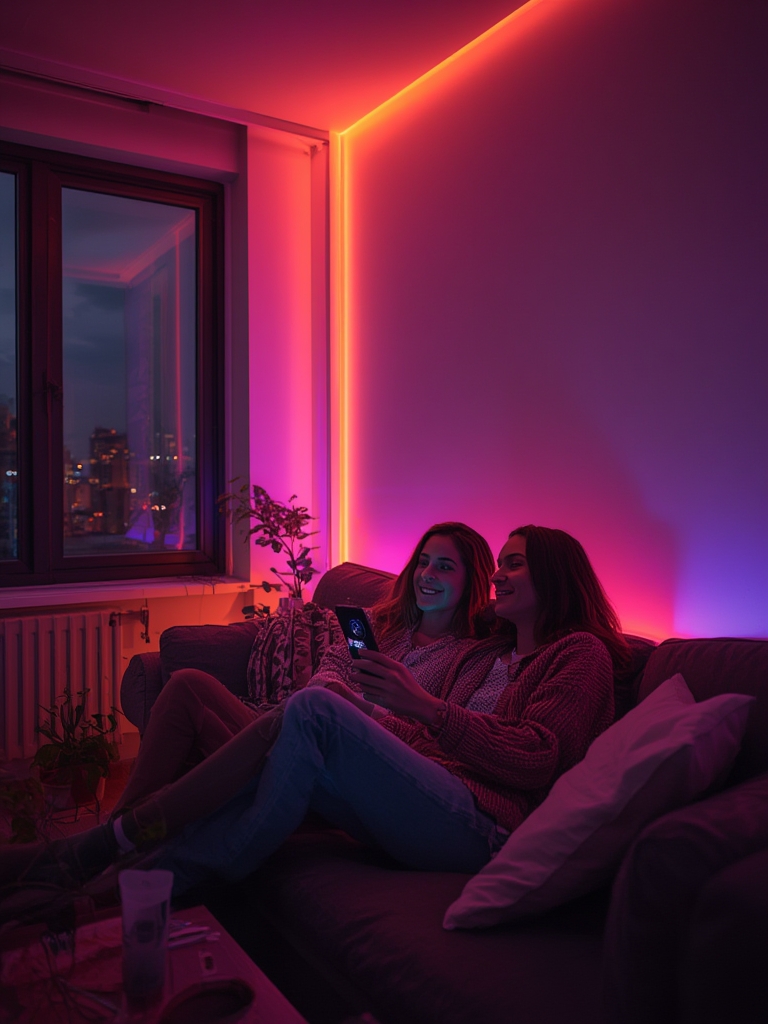
Until there’s real data, vigilance is essential: Don’t trust warranty claims without reading the exclusions, and demand full disclosure if mounting in harder-to-access places. This lesson applies across all modern home upgrades, from portable induction cooktops to aurora projector lamps.
Summary & What To Do Next
The smart lighting revolution is real, but so are the risks: Lack of standardized specs, missing safety data, and total opacity on real-world pain points make buying even a top-rated app controlled LED home kit a potential gamble.
If you’re shopping for a LED mood lighting wall strip that won’t disappoint in a year, insist on brands that clearly publish lumens per meter, CRI, voltage, warranty length, and full certification details before buying. For renters, apartment dwellers, or anyone building out a modern aesthetic, it pays to wait for true transparency—or at least reinforce and test everything before final install.
For a deeper look at setting up integrated smart lighting, or safeguarding your network, check out our guide on Matter-compatible smart home devices or explore real-world tips in our office cubicle transformation article.
Frequently Asked Questions
What specs should I demand before buying a LED mood lighting wall strip?
Request detailed lumens per meter, actual CRI, voltage, IP rating if using in damp spaces, maximum run length before voltage drop, and whether the kit has UL/ETL indoor-use certification. Don’t settle for vague “bright” or “colorful”—these specs are vital for both performance and safety.
How can I avoid poor adhesion or drooping strips over time?
Most budget kits use weak adhesives. Reinforce with quality double-sided tape (3M VHB) or mounting clips, especially on textured drywall or near heat sources. Prep the wall by cleaning with isopropyl alcohol, and avoid repositioning the strip once mounted.
Are app controlled LED home kits safe for renters and apartments?
They’re generally safe if the kit’s power supply and strip meet US certification (UL or ETL). Test adhesion on a small spot first, use safe routing to avoid outlet overloads, and keep all controller bricks accessible in case a reset is needed. Always check for a removable install if you plan to move out.
What are the hidden costs with multi color LED light strip installations?
Look beyond the kit price to include power supply upgrades, mounting accessories, extra adhesive, and possible in-app purchase fees for advanced controls. Also factor the length of cable you’ll actually need for a clean install—most kits supply barely enough for ideal routing.
How do I know if a wifi LED strip app is secure?
Manufacturers rarely disclose full app security details. Prioritize brands with US/UK-based support, detailed privacy policies, and compatibility with established smart home platforms like Matter, HomeKit, or Google Home. Limit app permissions to only what’s needed for control.