desk treadmill under desk trending is shaping home office upgrades, but most guides gloss over space mismatches and installation surprises that lead to buyer regret. If you’re ready to invest in a walking pad, this no-nonsense guide unpacks crucial spec-to-space checks and exposes what even the “best of 2025” lists forget—so you get a treadmill that truly fits, works, and delivers.
Key Takeaways
- Desk treadmill footprints often clash with home office realities—measure doorways, under-desk, and chair storage space before buying.
- Most top-ranked walking pads for home office skip crucial noise, warranty, and compatibility details, leading to missed returns and daily annoyances.
- Simple in-room tests and tape footprints dramatically reduce the risk of buyer’s remorse, installation fails, and hidden costs.
- The Real Desk Treadmill Fit Test: Specs vs. Home Office Reality
- Common Office Integration Fails: What Most Buyers (and Guides) Miss
- What Matters Most (and Least) in Desk Treadmill Specs: Cutting Through the Hype
- The Undelivered Promise: What Real-World Outcomes and Pain Points Show
- Avoiding Buyer’s Remorse: Exact Pre-Purchase Tests and Measurements to Run
- Warranty, Service, and After-Sales: Decoding Manufacturer Trust Signals
The Real Desk Treadmill Fit Test: Specs vs. Home Office Reality
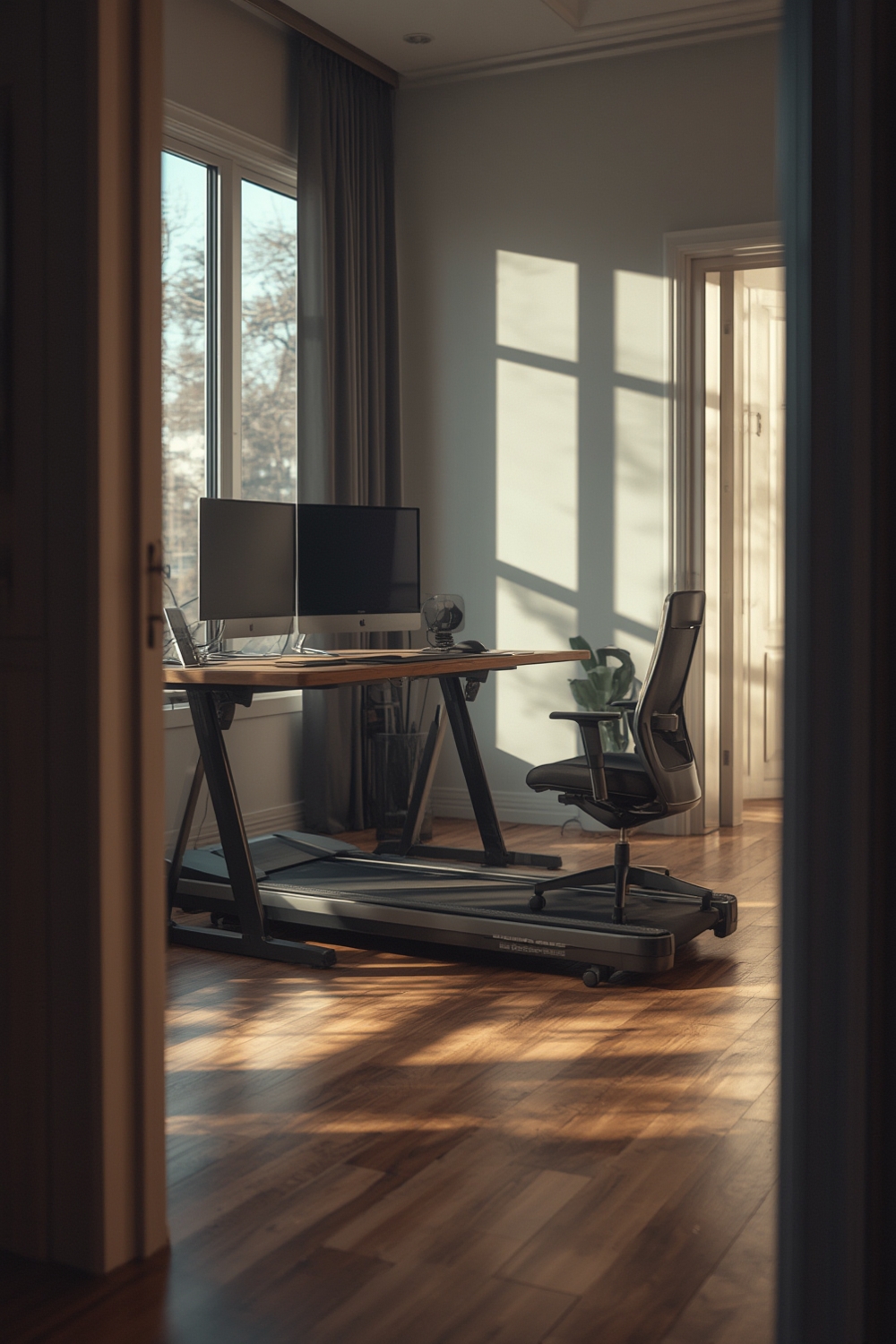
Most desk treadmill under desk trending guides claim “compact” or “easy fit” but don’t mention why so many buyers end up returning their treadmill or banishing it to the garage. Here’s the hard truth: the best-selling under-desk treadmills and walking pads often exceed what actually fits through standard doorways, beneath real-world desks, or allows rolling chair access once installed.
Measured footprints for top models run from 38.39 to 63 inches long and 20.39 to 39 inches wide. Deck heights range from 4.92 up to 7.25 inches. Critically, wider units like the InMovement UnSit (39 inches wide) can’t physically pass through many standard 30 to 36 inch doorways—meaning installation is impossible without removing doors or shipping the unit back. Buyers aiming for seamless fit in a home office should favor treadmills measuring 29 inches wide or less, especially for homes with 32 inch or narrower doorways.
Most product listings focus on marketing terms (“ultra-compact,” “perfect for home office”) but skip over these essential measurements. Before adding any walking pad to cart, grab a tape measure and physically check:
- Clearance beneath your desk—combine deck height (5–8.9 inches) with comfortable legroom.
- Room length for both your stride and the treadmill’s body (often 50–63 inches).
- Doorways along the treadmill’s delivery path—if your door is 32 inches, avoid units wider than 29 inches.
- Chair storage—rolling chairs often blocked by units wider than 22 inches.
These overlooked constraints generate costly returns and painful buyer’s remorse—don’t trust “top 5” lists until you verify specs against your specific home office layout. For detailed spec comparisons, BarBend’s model-by-model analysis confirms these footprint numbers and why compatibility trumps hype.
Common Office Integration Fails: What Most Buyers (and Guides) Miss
Even thorough buying guides neglect key compatibility checks that drive up return rates. What most forget is not just whether a walking pad for home office “fits” beneath your desk, but whether it actually works in daily life. The typical desk treadmill gets returned because product pages omit essentials like decibel level, desk height compatibility, or required belt length for natural stride.
The most overlooked compatibility issues include:
- Desks too low (29–30 inches is common) to fit “tall” treadmills—high-end units like the LifeSpan TR1000-GlowUp need 7.25 inches clearance.
- No objective noise data—guides rarely mention if your treadmill will be silent for video calls (missing decibel results).
- Insufficient belt length—short decks (<40 inches) cramp stride for users over 5’9”.
- Blocked cable access—installing against a wall can prevent safe power plug-in.
- Chair can’t stay at desk unless treadmill is moved (units over 22 inches wide especially problematic for “compact” spaces).
Few sources provide a true pre-purchase checklist. Here’s what TreadmillReviewGuru’s guide and most competitors leave out, yet is crucial for you:
- Check minimum and maximum desk height (including feet/flooring and anti-fatigue mats).
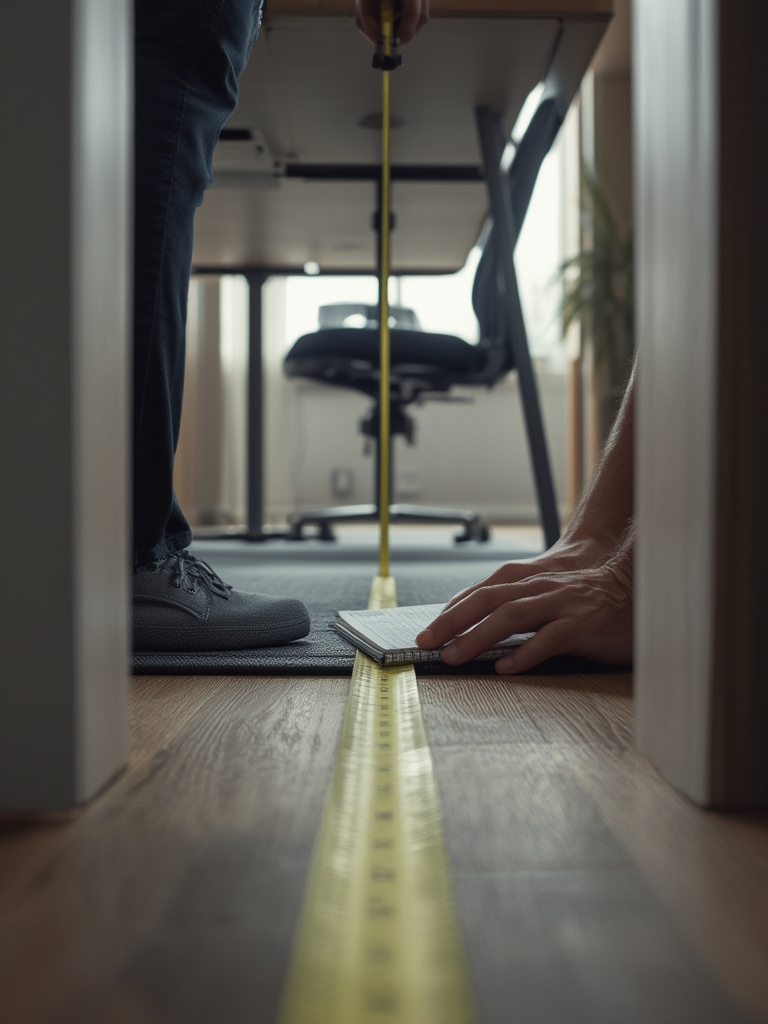
- Use real tape or cardboard to map the full treadmill footprint at the install site.
- Test chair movement with the “ghost install” method above—can you roll in/out without lifting the treadmill?
- Find the path from curb to desk, measuring all doorways and tight corners along the way.
- Simulate cable routing and check plug reach—many offices have outlets on the “wrong” wall.
Catch these limitations before delivery—not after you wrestle a 70 lb box indoors.
For more ways to optimize your workspace, check out proven layouts in our guide on office cubicle makeover ideas and tips to upgrade modern work areas.
What Matters Most (and Least) in Desk Treadmill Specs: Cutting Through the Hype
Every compact walking treadmill 2025 or mini treadmill desk viral ad features a data wall of specs. Which ones actually matter once the treadmill is under your desk? Direct from aggregated review sources and buyer data, here’s what shapes daily usability and what’s mostly marketing noise:
- Deck Height & Footprint: Must fit under your specific desk (5–8.9 inches deck height) and slide in/out as needed—a key dealbreaker for real home office use.
- Belt Length: If you’re over 5’8”, avoid belts shorter than 40–45 inches—anything less shortens stride and feels awkward for natural walking. Nearly all budget options miss this nuance.
- Noise Level (dB): Missing from almost all guides. True “quiet” picks like LifeSpan’s range below 56–60 dB, but many viral walking pads get loud enough to disrupt calls at 65+ dB (sources simply don’t give numbers).
- Weight Capacity: Less crucial for most (220–400 lbs typical), but higher ratings often mean a more durable frame and fewer user complaints.
- Motor Size/Speed: For office use, 1.5–2.5 HP and max walking speeds around 3.7–4 mph suffice—“running” motors are mostly overkill under-desk.
- Warranty/Service: Vastly underrated; a solid warranty outlasts flashy features. Watch for brands like LifeSpan offering 10-year frame coverage, while many viral models list nothing.
Low-impact specs? Bluetooth, “app compatibility,” cup holders, or calorie readouts—they don’t influence treadmill survival or integration at all.
| Model | Price | Motor (HP) | Max Speed (mph) | Weight Capacity (lbs) | Belt Dimensions (in) | Footprint (HxLxW, in) |
|---|---|---|---|---|---|---|
| Urevo 2-in-1 | N/A | 2.25 | 4 (walk) | 265 | 15 x 40.1 | 4.6 x 51.2 x 22.6 |
| LifeSpan TR1000-GlowUp | $1,399 | 2.25 | 4 | 350 | 44 x 20 | 7.25 x 58 x 28.5 |
| InMovement UnSit | N/A | 2.75 | 2 | 400 | 30 x 40 | 8.9 x 56 x 39 |
| DeerRun Walking Pad | N/A | 2.5 | 3.8 | 300 | 15.4 x 39.4 | 4.5 x 49 x 20 |
Want more savvy home tech upgrades? See the 2025 picks for compact induction cooktops for small offices and apartments.
The Undelivered Promise: What Real-World Outcomes and Pain Points Show
Influencer videos and viral mini treadmill desk reviews oversell silent operation, life-changing ROI, or effortless portability—but when you dig into “office walking pad review” data, there’s almost zero published evidence on calories burned, productivity gains, or cost-per-use metrics. Long-term user experience is also a data void: there’s no public breakdown of noise levels in decibels, incidence rates of belt slippage, or frequency of warranty denials for viral or even bestselling models.
Here’s what is known:
- No peer-reviewed studies confirm work-from-treadmill health ROI, time-on-task changes, or significant calorie burn at common office speeds (1–3 mph) for most buyer profiles (source).
- Common complaints on forums (Reddit, Amazon) cluster around unexpected noise, assembly surprises (heavy, complex), belt tracking issues, or failed motors—but with no published problem rates even for top sellers.
- Many guides gloss over warranty claim hassle, especially for lower-cost/import brands (no live phone support, shipping costs not covered).
For technically-minded buyers, this lack of transparent product validation and absence of hard measurement data is a red flag. Expect higher support quality from legacy brands like LifeSpan (see next section), but recognize that truly “proven” units are the exception, not the rule—for now, buyer diligence is your only defense.
On the hunt for more automated helpers? See the folding machine for laundry guide for what actually works and common mistakes to avoid.
Avoiding Buyer’s Remorse: Exact Pre-Purchase Tests and Measurements to Run
Given the high rate of misfit, noise, and function complaints, there’s no substitute for at-home testing before committing to a walking pad for home office use. Here are the actionable checks that prevent shipping headaches and return fights:
- Under-Desk Clearance: Measure floor to underside of desk. Confirm at least 5 (preferably 7–8.9) inches plus the height of your legs for walking stride.
- Doorway Width: Check every door along the delivery/install route. Treadmills >29 inches wide don’t fit through standard 32 inch doors.
- Chair Mobility: Using two strips of painter’s tape, simulate the treadmill’s full footprint. Attempt to roll your desk chair in and out, mimicking daily use.
- Belt Length: If you’re tall, walk back and forth in your taped “belt” space to check if your natural stride fits. Models like the Urevo 2-in-1 (40.1 inch belt) work for most, but measure if you’re over 6 feet.
- Power & Cord Check: Plug a phone charger in your wall outlet. Can the cord reach where the treadmill will sit, without crossing walkways or tripping hazards?
These simple tests prevent both minor annoyances (blocked chair, noisy operation, cable problems) and major disasters (trapped treadmill, failed returns). For more planning hacks and space-maximizing tricks, see our reader-favorite guide to open plan kitchen dividers—a similar discipline for blending tech upgrades into real homes.
Warranty, Service, and After-Sales: Decoding Manufacturer Trust Signals
Don’t just shop by specs—warranty and after-sales support are often the truest signals of long-term satisfaction for compact walking treadmill 2025 picks. Some brands provide 10-year frame and 2-year parts coverage (like LifeSpan TR1000-GlowUp), along with a 1-year labor warranty. Others, especially viral budget units, list nothing or bury warranty details offsite—leaving you exposed if parts fail.
- Longer, more specific warranties (years, not months) signal robust support and replacement part access.
- Search for on-site service or responsive customer support—not just “return for inspection.”
- Watch for red flags: no published certifications (UL, CE, FCC), hidden return shipping fees, missing spare parts shop.
Current review sites highlight LifeSpan positively for after-sales coverage, but finding similarly clear signals for other trending brands is tough. For broader tech trust tips and next-gen controls, see our practical advice on digital shower upgrades, where certification and warranty are just as crucial.
When in doubt, contact customer service before adding to cart—real responses beat empty warranty promises every time.
Conclusion
Spec sheets and influencer videos rarely match the real-world demands of transforming your workspace with a trending under desk treadmill. Prioritizing actual room measurements and running simple in-home footprint tests is the only way to avoid hidden costs, blocked chairs, and unwanted returns. Reviewing deck height, belt length, noise promise, warranty, and delivery logistics up front means your desk treadmill under desk trending investment pays off in both productivity and well-being—not in headaches or clutter.
Ready to make your home office healthier and smarter? Run these checks, demand real specs, and choose gear that fits your workflow—don’t trust hype alone.
FAQ
Will a walking pad actually fit under my standing desk?
Measure the clearance under your desk. Most walking pads require 5–8.9 inches, but some premium models need over 7 inches. Also, check desk width—many units are up to 28.5 inches wide. Never trust “compact” claims—verify with tape before ordering.
How noisy are under-desk treadmills in real use?
Few manufacturers publish decibel data. Some LifeSpan models are reported to run below 60 dB (soft conversation), but most viral/low-cost models provide no tests. Expect any treadmill to be noticeable in quiet rooms; noise can be an issue for shared or meeting-heavy spaces.
Do I need a special power outlet or surge protector?
Most walking pads for home office plug into standard outlets (110–120V in the US). However, always check cord length and plan to avoid tripping hazards. Using a surge protector is wise for all electronics, but it’s usually not required by the treadmill itself.
Can I keep my desk chair at my workstation with a treadmill installed?
Only if the treadmill is short (<50 inches long) and narrow (<22 inches wide). Most full-size models block rolling chairs. Use a tape outline to check whether your chair can stay in place or needs moving between walking sessions.
What’s the real ROI? Will my productivity and health actually improve?
No studies confirm definite productivity or health ROI from walking pads at home office speeds (1–3 mph). Users often report more movement and standing time, but data on calorie burn and work performance is missing. Test for yourself—start with short, frequent walking sessions to see personal benefits.