Smart Window Privacy Film: Worth It or Too Expensive for Most Homes?
Smart window privacy film hides costly installation and performance blind spots few discuss. Discover key specs and avoid mistakes for your commercial project.
Emma Caldwell Mar 24, 2026 10 min readUpdated Jul 4, 2026
Smart window privacy film is promoted as the seamless, tech-forward alternative to blinds and frosted glass, but costly blind spots lurk beneath glossy spec sheets. If you buy based on price and features alone, you risk missteps that can kill ROI, create unhappy tenants, or trigger integration fiascos later.
This in-depth breakdown arms commercial facility buyers, architects, and procurement managers with everything manufacturers and top-ranking articles skip: true installed costs, hidden lifetime charges, performance gaps, pain points, and a proven checklist to avoid investment regret.
Key Takeaways
Smart window privacy film comes with hidden costs and risks—price per square foot, lifetime, warranty, and integration factors matter more than sticker price.
Vendors rarely publish third-party data on core metrics like light transmission, energy impact, switching reliability, or real protocol compatibility—leaving buyers exposed.
Avoid costly mistakes by demanding non-negotiable specs (switching under 1 second, <5% VT leakage, <5 W/m² power draw), certifications, and a clear procurement checklist.
What Is Smart Window Privacy Film and Why Does It Matter?
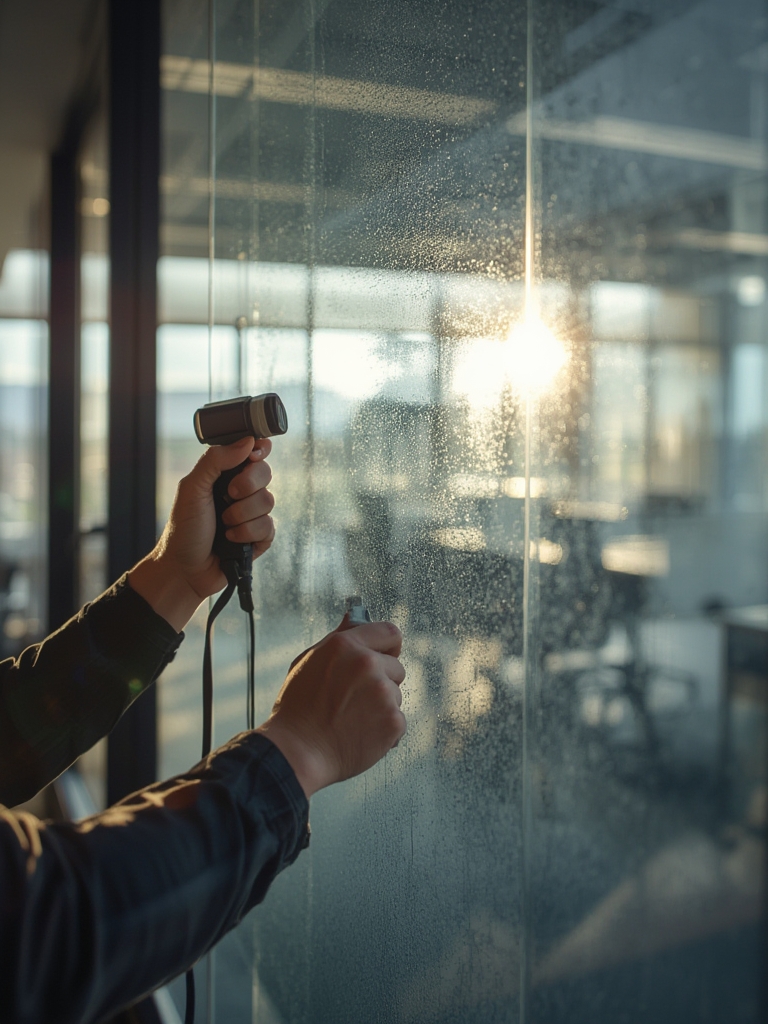
Smart window privacy film is a retrofit adhesive film that makes any glass switch from clear to frosted on demand. Technologies like PDLC and SPD let office, healthcare, and residential buildings control privacy with the flick of a switch—or even automate tinting based on occupancy and time of day. But marketing promises hide big gaps: most buyers discover lifetime costs, installation headaches, and compatibility challenges too late.
In practice, commercial pros look for more than a privacy gimmick: They want proven ROI, reliable remote switching, energy savings, and seamless integration with existing building controls. Think installing privacy zones in medical offices, legal firms, or luxury apartment lobbies where expectations are higher and disruption from failure can cost thousands in repairs and goodwill.
Yet most guides gloss over what actually separates good electric privacy window films from expensive regrets. Savvy buyers must dig deeper—beyond “price per square foot” headlines—into installed costs, lifetime reliability, and real-world test data. That’s what this guide delivers.
True Cost Breakdown: What Smart Window Privacy Film Actually Costs Over Its Lifetime
Sticker price is just the beginning. Total cost of ownership (TCO) for smart window privacy film combines installation, lifetime, repair rates, shipping, and future integration demands—too often ignored by both vendors and most comparison sites.
For PDLC electric privacy window films, installed prices range from $30–$150 per square foot ($323–$1,615/m²) for professional supply-and-fit. DIYers can find self-adhesive rolls for as little as $16–$89/m² ($1.49–$8.27/sq ft), but these work best for small, simple jobs and perfect glass surfaces.
Replacement and repair costs? Not published. And, unlike high-quality modern kitchen partitions or traditional window film ($1.90–$2.50/m²), break-even times against older solutions remain vague—often pushing ROI beyond 7 years, depending on usage and building traffic.
💡 Pro Tip: For large procurement, leverage MOQ (minimum order quantity) discounts and demand a written breakdown of both shipping and post-warranty replacement rates in your vendor quote. Many suppliers quietly drop rates once you cross 40 sq ft or more.
🔥 Hacks & Tricks: If you’re retrofitting multiple office zones, batch-orders from the same supplier—not only does this cut shipping fees, but you can synchronize all remotes and control modules at install, slashing later IT headaches.
It’s no surprise that overall reorder rates range 6–30% depending on supplier, as savvy buyers push for better warranty and installation guarantees.
If you’re forced to choose purely on budget, remember: bulk discounts apply, but true commercial installs require certified labor—DIY rarely passes inspection in regulated settings.
For a practical comparison, traditional glass film remains cheaper and often lasts longer in low-traffic environments, while electric privacy window films can pay off in high-value meeting rooms or executive suites where dynamic control is demanded. Looking for more ways to optimize space and privacy? See these office cubicle transformation tips.
Performance Data Gaps: How Smart Films Stack Up on Light, Energy, and Comfort
Buyers expect smart window privacy film to deliver visible light control, glare reduction, privacy, and sometimes improved energy efficiency. Here’s the catch: top vendors publish almost no measured data on core metrics like VT (visible transmittance), U-value (insulation), SHGC (solar gain), or even annual HVAC energy savings vs standard double-pane glass or window film.
Every major source—from Accio to Smart Glass Country—focuses on pricing and anecdotal claims, not field-tested metrics. There’s no peer-reviewed chart showing “X% glare reduction” or real HVAC cost drops after installation (see vendor example).
What does this mean in the real world? In a recent healthcare fit-out, a facilities manager reported that promised “tint benefits” had no measurable impact on waiting room comfort or cooling loads. With only supplier promises to go on, you’re balancing an investment case on incomplete evidence—a red flag for procurement sign-off.
If energy savings and glare control are critical for your project, demand third-party test reports before making your final decision. Many buyers have found that “privacy” is all you get—performance on light, comfort, or HVAC rarely matches the hype. If you’re chasing true environmental impact and savings, consider layering with other energy-efficient upgrades for a more holistic result.
Amazon reviews, contractor forums, and project post-mortems all point to recurring problems with remote control smart glass and electric privacy window films, but no vendor offers incident rates or transparent defect logs. Here are the eight most common issues uncovered in real facilities (not just marketing copy):
Clouding (hazing, especially on large panels)
Dead zones (areas that refuse to switch or stay stuck)
Privacy loss during power failure (uncertain “fail safe” state)
Color shift/yellowing over time, especially cheaper adhesives
Switching speed degradation (slower or inconsistent dim/frost response)
Peeling corners and adhesive failure (often blamed on installer, not product)
Obtrusive wiring paths where “wireless” was promised
Noise or humming on certain types in quiet rooms
No published review or industry source quantifies how often these problems occur, nor whether they’re due to sub-par product or poor installation (see supplier listing). Star ratings hover at 4.4–5.0/5, but buyers should be skeptical without transparent claim statistics. That’s why it pays to demand installation certifications or contractor references, just as you would with a costly renovation.
In one real-world office install, a project manager found dead zones developing after only 18 months, with the supplier blaming wiring and offering no warranty support. This is why many commercial buyers still favor classic blinds or robust architectural glass for mission-critical spaces.
Integration Blind Spots: AI, Remote Control, and Building Automation Challenges
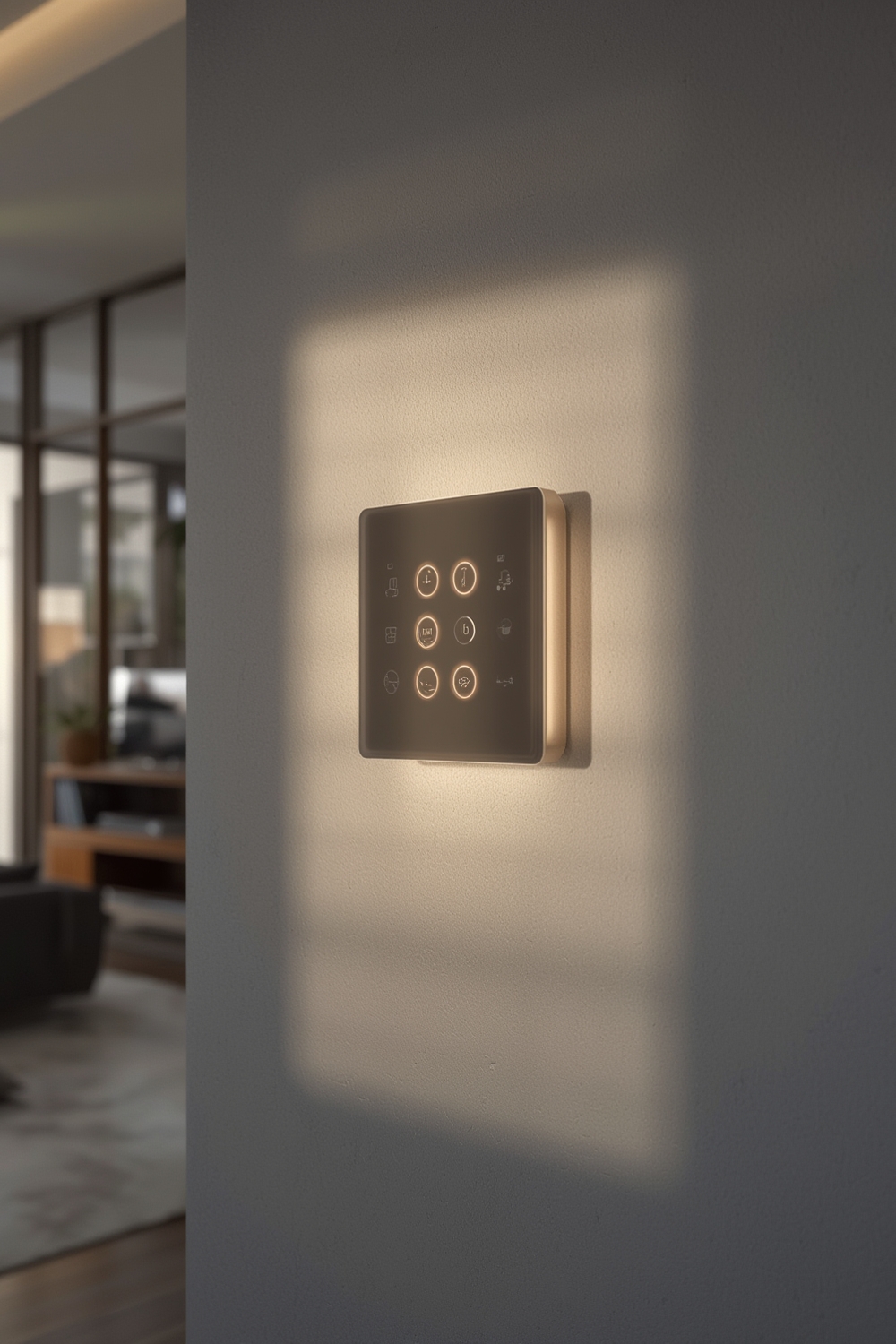
Vendors love to market remote control smart glass and AI controlled window tint, but virtually none provide detailed specs on supported smart home protocols, integration reliability, or latency measurements—let alone cybersecurity or uptime guarantees. Terms like “remote control,” “smart home compatible,” or “AI-driven” often hide simple RF remotes or cheap timers, not robust building automation interoperability.
Want to connect your film to building automation (Zigbee, Z-Wave, HomeKit, Wi-Fi, Alexa, Matter)? Almost no vendor publishes which protocols are truly supported, or how reliably. Facilities that need remote scheduling, access control integration, or custom automation are left reverse-engineering third-party modules, risking performance or even safety lapses if the film fails to respond in an emergency.
For example, a procurement lead at a US law firm found after install that the “AI-controlled” film was nothing more than a basic preset timer—with no API, no standardized protocol, and sub-second delay that failed basic meeting room automation requirements. Their IT team had to custom-fit a relay workaround just to sync with other office systems.
If true integration is critical, explicitly request protocol documentation with your quote—or test samples on site before full procurement. For deeper insight into functional smart home hubs and protocol requirements, review our Matter-compatible devices guide and AI-powered home assistant overview.
What Pros Must Demand: The Non-Negotiable Specs and Certifications for Commercial Buyers
For responsive occupancy control and user satisfaction
Visible Light Transmission (Opaque State)
<5% leakage
Ensures true privacy in sensitive areas
Certifications
UL, CE, RoHS, ASHRAE
Verify with independent documentation
Operating Temperature
As per local code/minimum -10°C (14°F)
For reliability in unheated or sun-exposed installs
Integration Protocols
Documented Zigbee, Z-Wave, Wi-Fi, etc.
Required for building automation compatibility
Warranty
At least 3–7 years
Beware of install-exclusion loopholes
Specialized Needs
Laminated/hurricane/X-ray rated if required
Ask for third-party reports if medical or coastal
Almost no suppliers voluntarily publish specs on power draw, switching time, or visible transmission leakage (see current vendor listing). For any project subject to UL listing, building codes, or local authority inspection (especially in healthcare or multi-family), written proof should be non-negotiable. Don’t accept “market standard”—demand quantified specs as part of your RFP or bid package.
Want to maximize savings and eligibility for rebates? Check requirements with your local authority and utility first, just as you would for energy-efficient kitchen appliances.
Procurement Roadblocks and the Essential Smart Film Procurement Checklist
Even after specs and pricing line up, commercial buyers report roadblocks that can derail projects:
Unstated lead times (“expected delivery Feb/Mar” with no guarantee)
MOQ (minimum order) from 1 to 49 m²—small orders might be rejected
No formal installer certification program or on-site sample testing
Compatibility gaps with existing doors, vents, or legacy IGU (insulated glass units)
Lack of clarity on replacement, support, or escalation procedures
To cut through the mist, use this hardline procurement checklist (add as table, spreadsheet, or punchlist item to every RFP):
Warranty: Minimum 3–7 years (in writing)
Switching speed: Under 1 second (verified in sample/demo)
Power draw: Below 5 W/m² (documentation mandatory)
Privacy level: Less than 5% visible transmission in “off” mode
Certifications: UL, CE, RoHS, ASHRAE/IEC or local equivalents
Protocol support: Documented Zigbee, Z-Wave, Wi-Fi or open API
Lead time and MOQ: Confirmed before deposit
Installer credentials: Written evidence preferred
This checklist helps catch what competitor guides overlook and can prevent the budget blowouts and user complaints that haunt smart glass projects. If you’re retrofitting regular office partitions or exploring privacy best practices, check our expert dividers guide for further proven solutions.
Frequently Asked Questions
Is smart window privacy film worth it for commercial offices?
Smart window privacy film can justify its higher initial cost in high-value spaces demanding flexible privacy, especially executive rooms or healthcare settings. However, long-term ROI depends on correct installation, warranty coverage, and whether genuine integration is required. Always compare lifetime costs with traditional solutions.
What are the main downsides of electric privacy window films?
Common issues include limited published specs, clouding or dead zones, poor integration for remote control, and unresolved warranty disputes. Most films require professional install to avoid failures like adhesive peeling or wiring faults.
Can I control smart window films with my existing smart home system?
Very few vendors offer out-of-the-box support for standards like Zigbee, Z-Wave, or Matter. Most “AI” or “remote control” claims mean only a basic wireless remote. Always request protocol documentation before buying if automation is essential.
How long do smart privacy films actually last?
Warranty periods are usually 3 to 7 years, but most vendors lack data on actual failure or defect rates. Cheaper or DIY films may cloud, yellow, or lose switching reliability in just 2–3 years, especially in high-traffic installations.
Is there a cheaper alternative to smart privacy film?
Disclosure: As an Amazon Associate, I earn from qualifying purchases. This means when you purchase through links on this page, I may earn a small commission at no extra cost to you
Disclosure: As an Amazon Associate, I earn from qualifying purchases. This means when you purchase through links on this page, I may earn a small commission at no extra cost to you
Disclosure: As an Amazon Associate, I earn from qualifying purchases. This means when you purchase through links on this page, I may earn a small commission at no extra cost to you
Disclosure: As an Amazon Associate, I earn from qualifying purchases. This means when you purchase through links on this page, I may earn a small commission at no extra cost to you