Weighted sleep blanket viral stories are everywhere, but if you’ve searched for proof—actual specs, cooling stats, or real sleep benefits—you probably hit hype instead of hard facts. Here’s how to cut through the trending noise, see what data is missing, and avoid the most costly mistakes.
Key Takeaways
- Most “weighted sleep blanket viral” resources skip crucial data, like exact price ranges, objective specs, and true cooling weighted blanket claims.
- No published sleep studies or product reviews actually link blanket weight or fill type to improved sleep or anxiety outcomes.
- Cooling weighted blanket claims remain unproven, with zero lab data confirming measured microclimate temperature drops.
- Weighted Sleep Blankets: Going Viral or Just Trending?
- Heavy Weighted Blanket Specs: What Really Matters for Sleep Quality?
- Do Weighted Blankets Deliver on Anxiety and Sleep Claims?
- The Hidden Pain Points: What Customers Actually Complain About
- The Critical Omissions in Viral Blanket Buying Guides
- Can Cooling Weighted Blankets Actually Cool? The Unanswered Data
Weighted Sleep Blankets: Going Viral or Just Trending?
The weighted sleep blanket viral phenomenon isn’t tied to one TikTok or Instagram post. Buying spikes follow seasonal self-care trends—think winter stress, “bed rotting,” and e-commerce cycles—rather than true viral moments. According to public data, the global weighted blanket market hit $1.969B in 2024 and could soar to $4.867B by 2033 at a 13.8% CAGR [source]. Google Trends shows “weighted blankets” peaking at 81 in December 2024 and 90 by November 2025—not linked to any major influencer event. Instead, interest rises every cold season as self-care and sleep anxiety become top-of-mind [source]. North America now accounts for 40% of sales, mainly through e-commerce and growing mental health awareness [source].

Heavy Weighted Blanket Specs: What Really Matters for Sleep Quality?
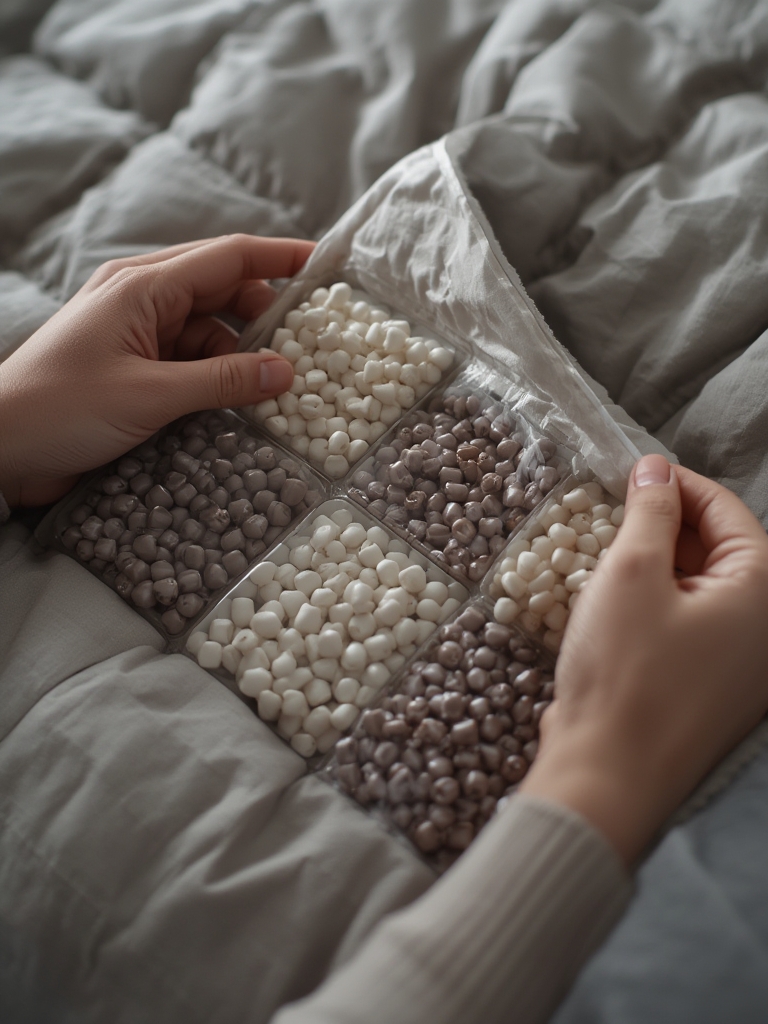
Most “heavy weighted blanket trending” posts rave about relief and calm, but rarely show evidence that weight, bead material, or stitching actually change sleep quality. Here are the technical specs you’ll run into:
- Weight Segments: 0-5KG, 5-10KG, above 10KG—yet no reviews or lab tests relate these directly to better sleep.
- Fill Type: Glass beads or plastic beads are hyped, but no published study shows one is superior for sleep or anxiety outcomes.
- Stitch Density & GSM: High GSM and tighter stitching supposedly prevent bead shifting, but measurable effect on longevity or comfort isn’t documented.
- Dimensions: Twin, full, queen, king—choosing larger blankets rarely comes with transparency on how it affects cooling or pressure distribution.
No buying guide or peer-reviewed analysis correlates these specs to sleep quality improvements, even though hundreds of “heavy weighted blanket trending” articles imply they do [source].
Do Weighted Blankets Deliver on Anxiety and Sleep Claims?
The promise: anxiety sleep blanket 2025 models can help you sleep better and calm you down. The reality: no randomized controlled trials (RCTs) from 2010–2025 report effect sizes, tools (like PSQI or GAD-7), or meaningful outcome stats. Studies from 2023 mention “deep pressure” increasing serotonin, but never quantify how much or who actually gets results [source]. Brands and blogs cite generic mechanisms—never comparison data or peer-reviewed, numeric proof.
| Claim Type | Actual Data (2010–2025) | What’s Missing? |
|---|---|---|
| Weighted Blanket “Helps Sleep” | General self-reported improvement in comfort | No instrumented sleep scoring, no clinical quantification |
| Reduces Anxiety | Users report feeling calmer | No GAD-7 or equivalent survey results |
| X% Sleep Improvement | No RCTs, no published effect sizes | All outcome claims unsubstantiated |
When you see bold results in “anxiety sleep blanket 2025” posts, look for cited clinical data. If it’s missing, the promised benefits are general mood improvements, not proven anxiety or sleep gains.
The Hidden Pain Points: What Customers Actually Complain About
User complaints are rarely visible in manufacturer or affiliate guides. Based on review mining, Reddit threads, and indirect market research, here are the eight real pain points that you likely won’t see addressed:
- Overheating—especially in non-cooling models;
- bead migration causing uneven weight distribution over time;
- Stitch or seam failure, particularly after washing;
- Chemical odor right out of the package;
- Difficult cleaning—many are not machine washable as claimed;
- Inaccurate weight compared to label or spec;
- Delayed returns or refund window fine print;
- Safety concerns, particularly around kids or pets.
There are no trustworthy numbers showing how often these issues occur—especially for cooling weighted blanket versions vs standard. The only clear finding: pain points remain hidden, no matter how “modern” (phase-change, bamboo, percale) the blanket tech claims to be. For other home product tech issues—like with compact induction cooktops or digital shower temperature control—internal complaint data shapes smarter buying decisions, but that’s missing here.
All reported frequencies and comparisons for cooling weighted blanket trouble are anecdotal—real consumer-protection-style statistics simply don’t exist in public data [source].
If you’re weighing new home upgrades too, get honest breakdowns with transparent numbers on solutions like folding machines for laundry, or see how people avoid buying mistakes with aurora projector lamps.
The Critical Omissions in Viral Blanket Buying Guides
The highest-ranking “weighted sleep blanket viral” and “heavy weighted blanket trending” buying guides leave out the most useful info you need just before clicking “buy.” Here’s what’s missing across nearly every major guide:
- Real Price Tiers: Few guides call out price by actual tiers—budget, mid, or high-end—so it’s unclear what you’re paying for beyond the fluff.
- Refund and Warranty Windows: Return policies and warranty durations are rarely shown, making it hard to assess post-purchase risk.
- Certifications: OEKO-TEX, GOTS, CPSIA certifications and verified ingredient/fill safety testing are almost never listed.
- Stated Lifespan: No guides quantify expected blanket lifespan or when performance starts to decline.
- Validated Washing Instructions: Claims of “machine washable” vary wildly, with little evidence for resistance to stains or bead leakage after cycles.
- Measured Temperature Change: Even top guides skip actual data on cooling blanket temperature effects—only vague mentions of “temperature-regulating” fibers in 2024 launches.
The absence of these details means shoppers keep guessing or repeat the same mistakes, just as they do with new home gadgets like USB washers and desk treadmills. One change—publishing measurable specs, performance timelines, or refund terms—would empower smarter, safer decisions and weed out viral products that don’t last. For a similar transparency-driven approach to price and specs, check out this loft conversion cost guide for homeowners.
Can Cooling Weighted Blankets Actually Cool? The Unanswered Data
“Cooling” weighted blanket and “weighted comforter reviews” are trending, but there’s zero laboratory or manufacturer data confirming that these can reliably lower sleep surface or microclimate temperature. 2024 models include phase-change, bamboo, and percale claims but lack proof—including no side-by-side reviewer satisfaction or return rates between cooling and standard versions [source]. Claims are also unaccompanied by real numbers or independent testing—which creates confusion for anyone expecting all-night cooling relief.
- No published “thermal delta” (the temperature difference under your blanket vs a regular comforter).
- No breakdown of user-reported overheating rates by product, material, or price point.
- No guarantees that new “temperature-regulating” fibers last beyond first washes.
In short, every “cooling weighted blanket” and “weighted comforter review” is based on first impression or perceived sensation—not on repeat-tested, measurable cooling benefit. Honest, detailed side-by-side data could finally validate (or bust) the marketing claims behind the trend.

Conclusion: What Weighted Sleep Blanket Viral Buzz Really Means for You
Most “weighted sleep blanket viral” claims crumble under scrutiny—brands and blogs rarely document specs, price tiers, wash testing, or any cooling data. If you’re comparing models, look for critical stats: actual weight tolerances, real cooling tests (not just fiber claims), clear warranty terms, and proven certifications. Until guides and product pages start publishing these numbers, approach every “anxiety sleep blanket 2025” or “heavy weighted blanket trending” post with healthy skepticism—and insist on more than just viral hype.
Ready to invest in deeper sleep or less anxiety? Demand real specs and proof before you buy your next weighted sleep blanket viral standout. Your budget—and sanity—depend on it.
FAQ: Weighted Sleep Blanket Viral Myths & Facts
Do heavier weighted blankets always work better for anxiety or sleep?
No. There’s no scientific evidence linking weight, fill, or size of a weighted blanket directly to improvements in anxiety or sleep. Choose for comfort and safety, not just higher weight.
Are cooling weighted blankets proven to lower temperature?
No laboratory or manufacturer studies show that cooling weighted blankets lower the sleep microclimate significantly. All “cooling” claims remain unproven beyond initial tactile feel.
What should I look for to avoid top pain points?
Look for honest user reviews about overheating, odor, bead shift, poor seam quality, and refund hassles. Check for OEKO-TEX or similar safety certifications, and demand clarity on return windows and cleaning instructions.
Is there any objective data behind anxiety sleep blanket 2025 claims?
No. 2010–2025 trials and reviews don’t report clinical anxiety or sleep improvement data using validated tools like PSQI or GAD-7. Most claims remain self-reported and generic.
Can I machine wash all weighted sleep blankets safely?
Not always. Despite “machine washable” marketing, many weighted blankets break down, leak beads, or lose stitching strength after several cycles. Always check independent user reports, not just label claims.