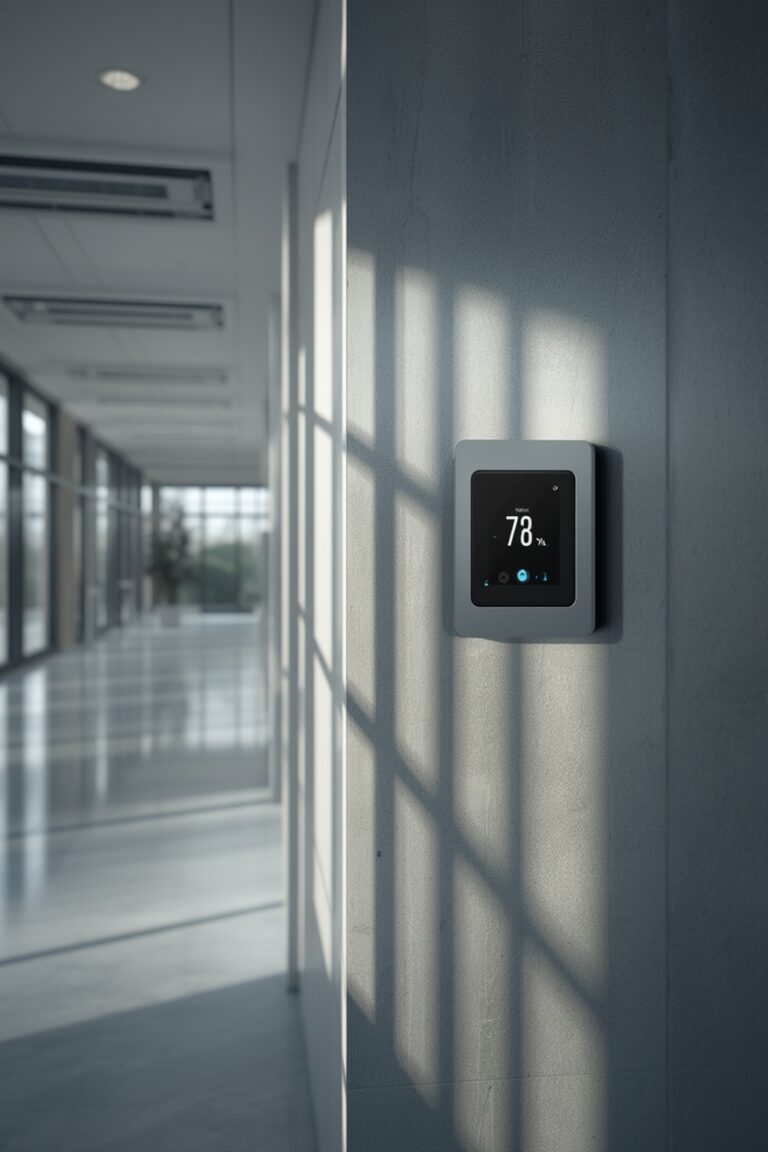
Digital shower temperature control is quickly becoming a must-have feature in high-end homes, but most “smart shower system 2025” guides recycle the same marketing claims and skip over critical gaps in security, reliability, and cost transparency. Tech-savvy buyers need clear, independently validated information to make smart, risk-aware decisions that go beyond glossy brochures.
Key Takeaways
- Industry benchmarks for smart shower system accuracy, security, and ROI are missing or vague—buyers must demand clear evidence before investing.
- Marketing heavily promotes features, but leaves out crucial details on app reliability, warranty costs, and accessibility for real-world users.
- Independent testing, professional guidance, and deep-dive research are essential to avoid unknown risk and hidden costs.
- The Untold Truth About Digital Shower Temperature Control Accuracy
- Security and App Reliability: What the Marketing Never Tells You
- The Real Price of a Precise Shower Temperature Upgrade—Beyond the Sticker Tag
- User Pain Points and What Real-World Discussions Reveal (or Don’t)
- What Top “Best Smart Shower” Reviews Miss: Integration, Certification, Accessibility
- The Evidence Gap: Are Water and Energy Savings Real, or Just a Slogan?
- Touchless Digital Showers and Accessibility: Missing Guidance from Experts
- FAQ
The Untold Truth About Digital Shower Temperature Control Accuracy
Most consumers are told that smart shower systems 2025 provide “precise digital shower temperature control”—but what does “precise” actually mean? Product pages and even most professional guides either lack any technical specification or simply echo vague claims about accuracy and fast response times.
On reviewing public-facing materials, there is no industry-wide benchmark for temperature accuracy. Vendors often claim “digital control to within 1°F of setpoint”, but do not provide documentation, evidence of calibration, or response time under real conditions. Publicly available data on how these systems maintain consistency over time, or in cases of fluctuating water pressure, is missing.
As of 2025, no official standards for measurement, tolerances, or real-world comparative testing have been cited among top smart shower brands or review aggregators. This leaves buyers unable to truly compare systems on the metric that matters most—consistent, safe temperature delivery. The same problem of missing performance data shows up across many home products—see our folding machine for laundry guide for another example of this transparency gap.
Security and App Reliability: What the Marketing Never Tells You
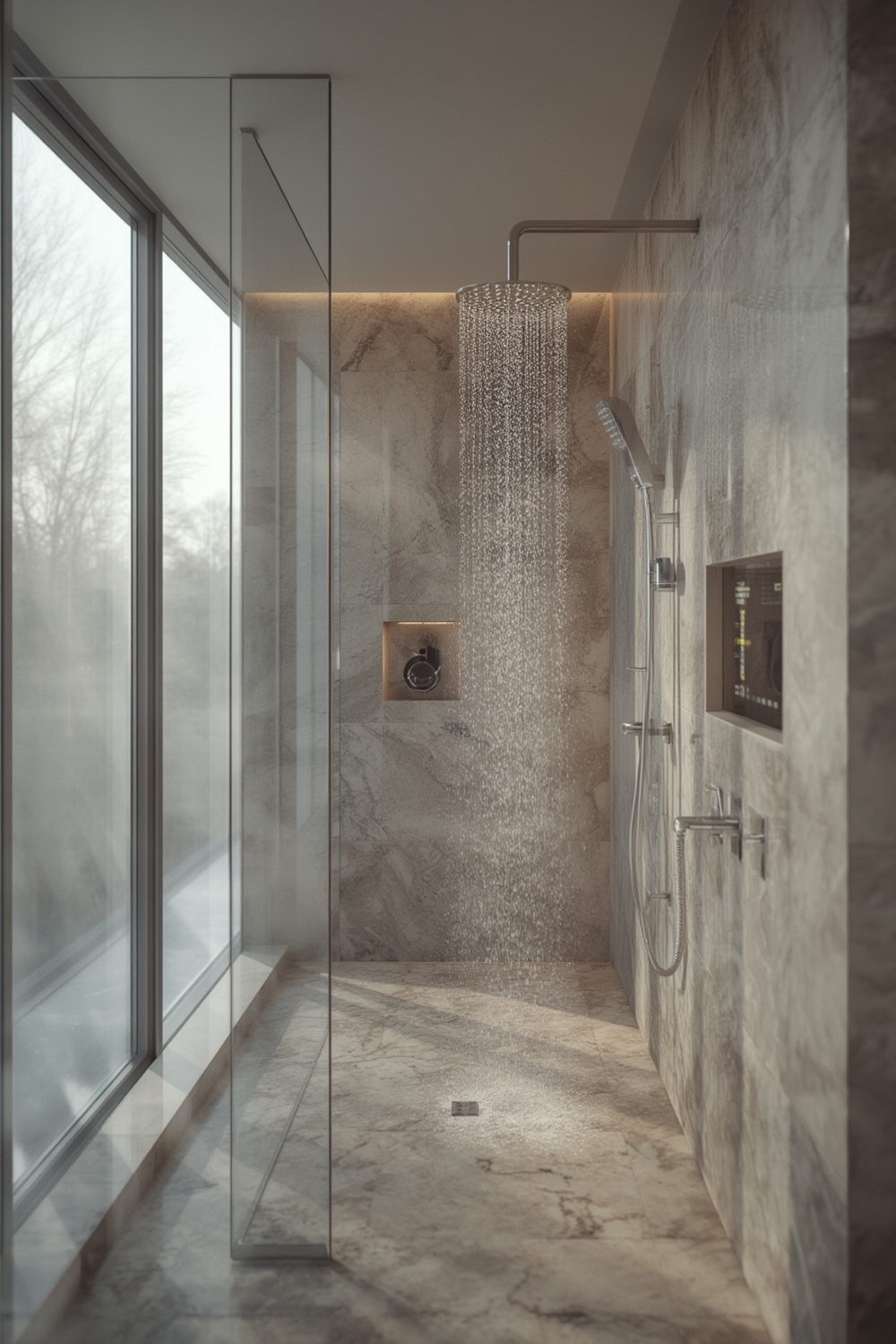
For anyone considering a wifi shower controller or a touchless digital shower, it’s essential to know how secure and reliable these systems truly are. Most marketing channels boast about connectivity features but are silent on details that matter to professionals and risk-aware homeowners—like the strength of encryption, data privacy, and app bug rates.
In a targeted search for 2025 models, there are zero verified references to which wifi security standards (WPA2? WPA3?) are used, whether actual end-to-end encryption is implemented, or if product apps have high crash rates. Even on comparison and review sites, you will not find documented bug reports, firmware update transparency, or user reviews citing real privacy or reliability issues.
This leaves buyers exposed to unknown cybersecurity risks and the potential for unreliable app performance—high-stakes gaps, particularly in luxury settings or integrated smart homes. No independent security audits or penetration tests have been publicly cited for any leading touchless digital showers. For more on evaluating smart home product safety and compliance, also read our aurora projector lamp guide which covers safety certifications and what to look for before buying connected home devices.
The Real Price of a Precise Shower Temperature Upgrade—Beyond the Sticker Tag
Upgrading to a system promising precise shower temperature control is never as simple as choosing the lowest number on a product page. While select component prices (as low as $20 and as high as $54) are occasionally listed in commercial materials, there is a near-complete absence of detailed cost breakdowns covering all phases—purchase, professional installation, and long-term maintenance.
Even among major brands, warranty coverage, ongoing software support, and replacement costs can vary greatly. Some smart shower systems 2025 require licensed installers or annual calibration to maintain accuracy, but these requirements (and their costs) are often undisclosed until after purchase. Many buyers also fail to factor in smart home hub upgrades or the risk of needing future compatibility modules.
Without transparency, it is nearly impossible to do a true apples-to-apples comparison of ROI. Pricing alone will never tell the whole story—informed buyers must request warranty documentation, installation estimates, and long-term service fees in writing. This parallels the hidden-cost problem in home renovation; see our loft conversion cost guide for a detailed framework on exposing hidden fees before committing to any major home upgrade.
User Pain Points and What Real-World Discussions Reveal (or Don’t)
Consumer reviews and official marketing are almost entirely silent on the most persistent pain points affecting digital shower temperature control: inconsistent output temperature, calibration drift over time, and failed app connectivity during software updates. Despite widespread marketing of “set and forget” digital controls, there are zero verified Reddit threads, forum discussions, or professional reviews that address these recurring issues.
The absence of negative user reports in popular research sources does not mean these problems do not exist—it often means that critical early adopter feedback either goes unpublished or is quickly buried beneath promotional content. High-income buyers expect stability, but the lack of real-world troubleshooting evidence should raise red flags.
What Top “Best Smart Shower” Reviews Miss: Integration, Certification, Accessibility
A glaring gap in nearly all top-ranking smart shower systems 2025 overviews: they mention “smart home compatibility” or “voice assistant support” in passing, but fail to specify exactly which ecosystems (Apple HomeKit, Google Home, Alexa) are fully supported and tested.
Equally missing are any deep dives into whether these systems earn critical certifications like WaterSense for water efficiency, or if their controls meet ADA accessibility standards for use by all household members. Comparative tables between models rarely appear and, when they do, omit this vital information. If you’re upgrading multiple rooms in your home, our open plan kitchen dividers guide offers practical lessons on how to research and vet home products that have compliance and certification requirements.
The Evidence Gap: Are Water and Energy Savings Real, or Just a Slogan?
“Save up to 50% water” is a powerful headline—and is repeated word-for-word in most digital shower temperature control sales copy as seen here. But do any of the smart shower systems 2025 have independent or utility-backed results?
After a comprehensive search, there are no cited independent lab tests, peer-reviewed results, or utility rebate data to validate manufacturer claims. Sources quote percentages, but never reveal testing methodologies or actual results from homes before and after upgrade.
High-stakes buyers should demand technical whitepapers or see if the product’s energy and water savings are included in any government or third-party case studies. For more on how to spot unverified claims in home product marketing, check our office cubicle makeover 2025 guide which takes the same evidence-based approach to evaluating workspace improvement claims.
Touchless Digital Showers and Accessibility: Missing Guidance from Experts
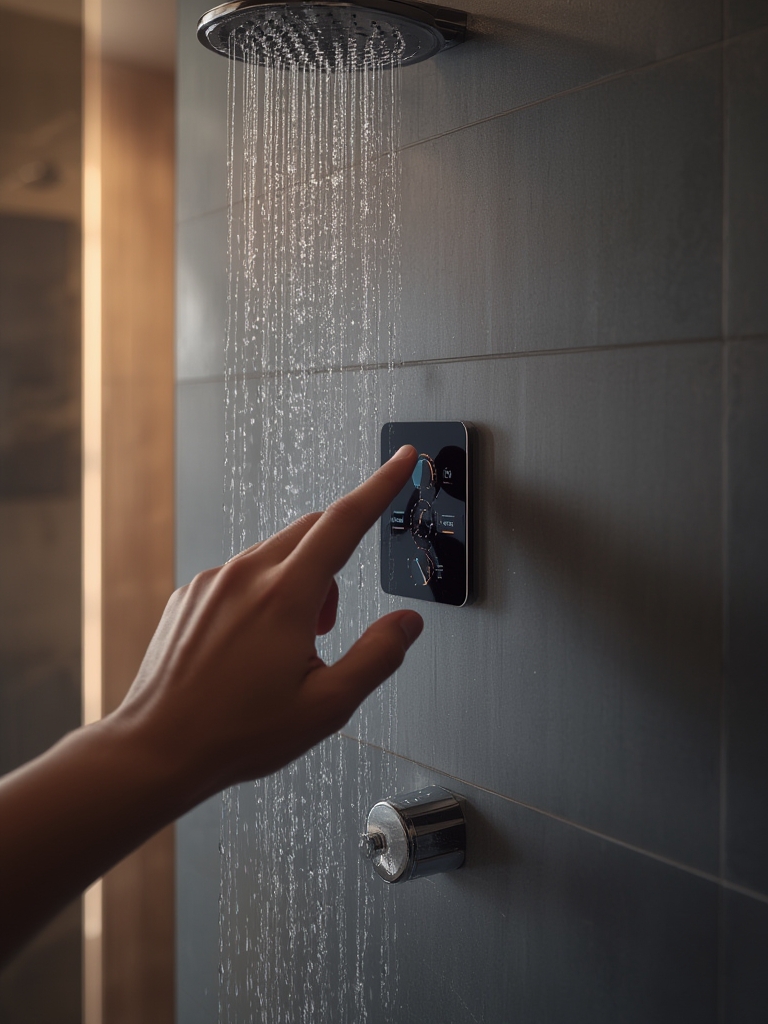
While “accessibility” is widely promoted alongside features like touchless digital shower controls and smart shower systems 2025, real analysis by occupational therapists or accessibility consultants is almost entirely absent from consumer-facing material.
No product has yet been reviewed in detail by accessibility advocacy groups or specialists. There are no documented comparative tests of control interfaces for those with disabilities, dexterity limitations, or vision challenges. Likewise, support for ADA-compliant installation is not standardized.
Until brands provide this context, buyers responsible for accessible design should consult with specialized professionals before specifying any touchless digital shower as a solution for users with unique needs.
How to Protect Yourself Before Buying: A Step-By-Step Pre-Investment Guide
If you’re seriously considering investing in a digital shower temperature control solution, here is a practical, evidence-based process to follow:
- Request Full Specs and Documentation: Insist on technical specification sheets (accuracy, response time, and control tolerances) from each vendor. Don’t settle for marketing PDFs.
- Ask About Security and Privacy: Require proof of which wifi protocols (WPA2, WPA3) are used, how user data is encrypted, and whether app source code is independently audited.
- Obtain In-Writing Quotes for All Costs: Get line-item quotes on product costs, professional installation, annual maintenance, and replacement parts or calibration services.
- Verify Real-World User Feedback: Look for user reviews outside company websites—ideally from independent forums, Reddit, or via r/HomeImprovement or verified-purchase pull aggregators.
- Check Home Integration and Accessibility Compliance: Ask which platforms, certifications, and accessibility standards are met—request documentation and certification numbers.
- Review OEM and Utility Data for Savings Claims: Only trust water or energy saving claims that can be cross-referenced to government or utility-backed case studies.
Advanced Analysis & Common Pitfalls to Avoid
Based on the gaps highlighted in current research, here are the most common real-world pitfalls and risks associated with digital shower temperature control—and how to mitigate them:
| Pitfall | What Marketing Says | Reality / Missing Data | How to Protect Yourself |
|---|---|---|---|
| Temperature Accuracy | “precise to within 1°F” | No independent technical validation or tolerances listed | Request third-party calibration data or certification sheets |
| Security & Privacy | “Advanced app control, private cloud” | Zero details on encryption, wifi protocols, or app data handling | Require written details on security protocols; consider a local control option |
| Energy/Water Savings | “Save up to 50% water” | No peer-reviewed or utility-backed studies provided | Prioritize systems with WaterSense or utility certifications |
| Warranty & Maintenance | “Long-lasting reliability” | No comprehensive or cross-brand warranty/maintenance cost breakdowns | Obtain detailed warranty documentation and parts/maintenance schedule upfront |
| Accessibility | “Easy for everyone” | No occupational therapist review or ADA certification made public | Consult with a qualified accessibility specialist before purchase |
| User Experience | “Set and forget” | No verified forum or real-world complaint analysis available | Ask for references to independent long-term reviews or trial demo opportunities |

More Home Upgrade Guides
- Loft Conversion Cost Per Square Metre: Avoid Hidden Expenses
- Open Plan Kitchen Dividers: 7 Ways to Maximise Privacy and Style
- Office Cubicle Makeover 2025: Transform Your Workspace
- Folding Machine for Laundry: Avoid 5 Mistakes Before You Buy
- Aurora Projector Lamp Trending: What to Know Before Buying
Conclusion
The smart shower systems 2025 market is more complex than ever, but evidence-based decision-making is the only way to get real value from a digital shower temperature control upgrade. Scrutinize specs, demand independent data, and ask hard questions about price, security, and real-world reliability.
Ready to make a confident, future-proof investment? Compare cross-brand data, consult independent experts, and use a risk-aware approach to your buying decision.
FAQ
What is the most accurate digital shower temperature control system in 2025?
No system publishes independent laboratory data or certified accuracy tolerances—request these details in writing before choosing a brand.
How secure are wifi shower controllers?
Vendors rarely disclose encryption protocols or whether apps have been audited. To ensure security, insist on proof of WPA3 support and independent penetration testing.
Do smart shower systems 2025 actually save water and energy?
Most “up to 50% savings” claims are unverified and lack third-party or utility documentation. Trust only products with WaterSense or utility-approved case studies.
Are touchless digital showers suitable for users with disabilities?
Consumer content lacks expert analysis or documented ADA/occupational therapist approval. For true accessibility, consult a professional experienced in adaptive bathroom design.
What’s the real long-term cost of a precise shower temperature upgrade?
Sticker prices exclude installation, potential hub/firmware upgrades, annual maintenance, and parts. Always request full cost-of-ownership estimates and read all service agreements closely.