
Multi zone smart light switch upgrades promise seamless, app-controlled lighting across your home—but buyers are left with huge blind spots due to missing specs, unclear costs, and near-zero user transparency. The market for zone control switches is trending, but real numbers and user experiences are surprisingly hard to find.
Last updated: June 2024
This guide exposes what online listings, reviews, and even manufacturer pages don’t tell you. You’ll learn what gaps to watch for, where hidden costs lurk, and how to make a zone control decision with your eyes wide open.
Key Takeaways
- Vendors rarely disclose true costs, limitations, or technical requirements for multi-zone smart light switches, making direct comparison almost impossible.
- Critical details—like compatibility, wiring needs, performance under real conditions, and installation pitfalls—are missing from most reviews and guides.
- Until the market matures, advanced buyers must “read between the lines” to avoid costly mistakes and disappointing zone control setups.
- The Truth About the Multi Zone Smart Light Switch Market: What’s Missing From the Data
- How to Choose and Compare Multi Zone Smart Light Switches: What Buyers Really Need to Know
- Beyond the Manuals: Advanced Analysis and Hidden Pitfalls in Multi-Zone Smart Light Switching
- Conclusion
- FAQ: Multi Zone Smart Light Switches
The Truth About the Multi Zone Smart Light Switch Market: What’s Missing From the Data
Most prospective buyers assume that choosing a multi-zone smart light switch is simply a matter of picking one off a trending list and wiring it up. In practice, the reality is far murkier. Despite “zone control smart switch trending” online and surging interest in customizable, multi-room lighting, real market data is so thin it’s nearly invisible.
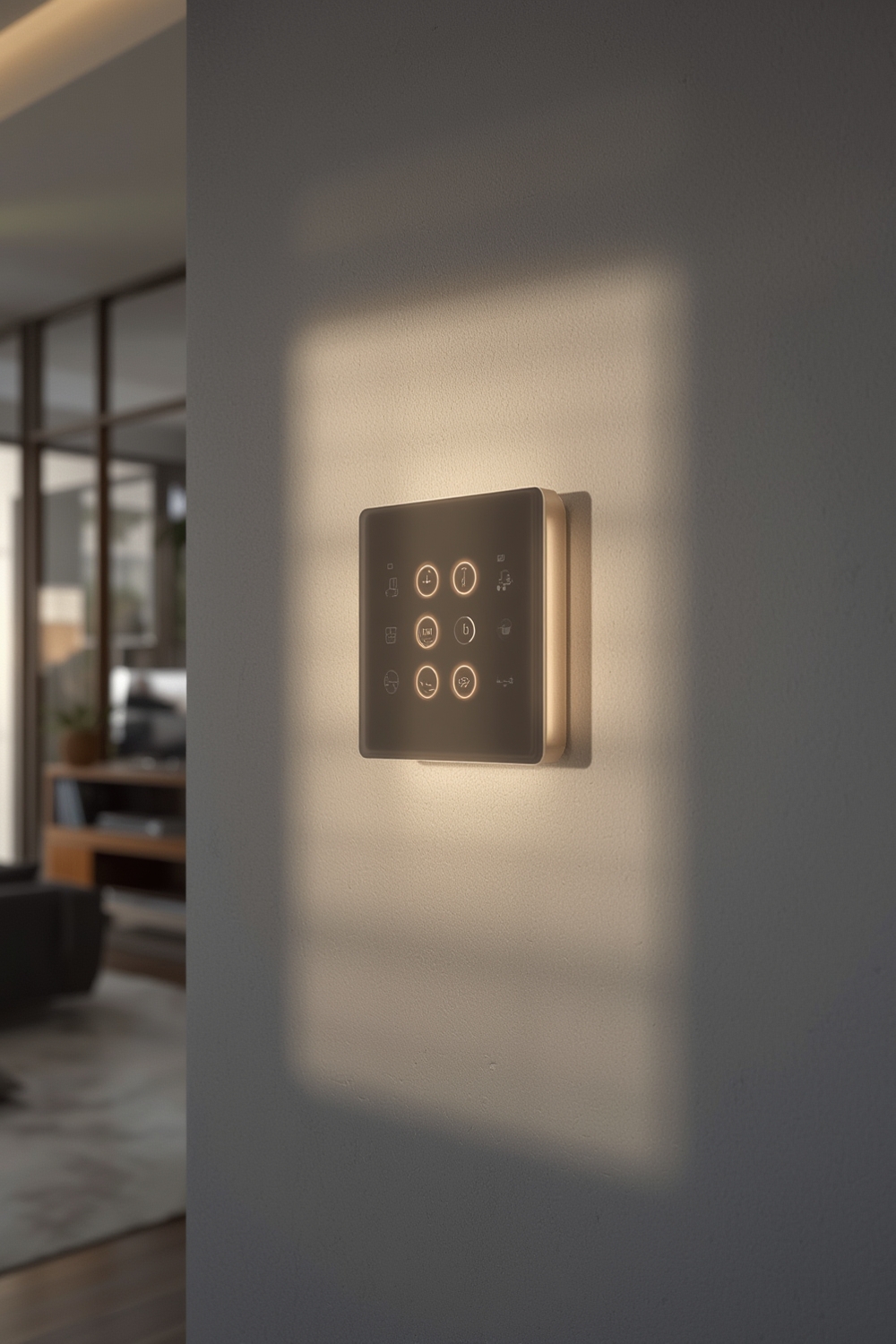
No definitive reports break out multi-zone smart light switches as a standalone category. Instead, sales and sizing are buried in much broader segments. For example, total “light control switches” sales hit $7.8B in 2023, expected to nearly double by 2032 (source). But the market share or retail pricing for zone control features remains unreported: not even retailer sales data or Google Trends show what share “multi-room light switch smart” systems really command.
This data fog directly impacts buyers. You can’t compare apples to apples—average price, actual customer adoption, or zone-by-zone feature sets—for truly informed decisions. For example, a recent renovation client attempting a five-zone retrofit discovered that each “multi-zone” panel capped out at three loads, requiring cascaded wiring and extra purchases not referenced in any documentation. Their experience mirrors a wider issue: even intermediate DIYers or renovation professionals end up guessing at actual scope and cost.
How to Choose and Compare Multi Zone Smart Light Switches: What Buyers Really Need to Know
Because manufacturer transparency is so limited, it’s not enough to shop on basic specs or product star ratings. Here’s a clear, experience-backed approach to evaluating “multi room light switch smart” solutions before you buy:
- Clarify Your True Zone Needs. Map out every separate lighting circuit you plan to control. Double-check the total number of zones/scenes you want. Many products that claim “multi-zone” can only handle two or three groups per panel—you’ll need to check the actual load capacity and expandability.
- Drill Into Wiring Requirements Early. Most advanced adjustable smart switches need a neutral wire at the wall box, plus compatibility with your home’s existing wiring (line/ground/load). Very few listings specify which wiring scenarios they support.
- Check App and Voice Integrations. Look for zone control across app, voice (Alexa, Google, HomeKit), and possibly local hub control. Watch for hidden “cloud required” disclaimers; if an internet outage kills all controls, it could break your workflow.
- Investigate Certification and Safety. Only choose units certified for your region (UL, ETL, or FCC in the US). Uncertified imports often lack proper surge and circuit isolation, risking code violations or insurance issues.
- Estimate Real Install and Ownership Costs. Factor in electrician labor, wall box retrofit (especially for deeper smart panels), ongoing subscription features, and manufacturer warranty policies.
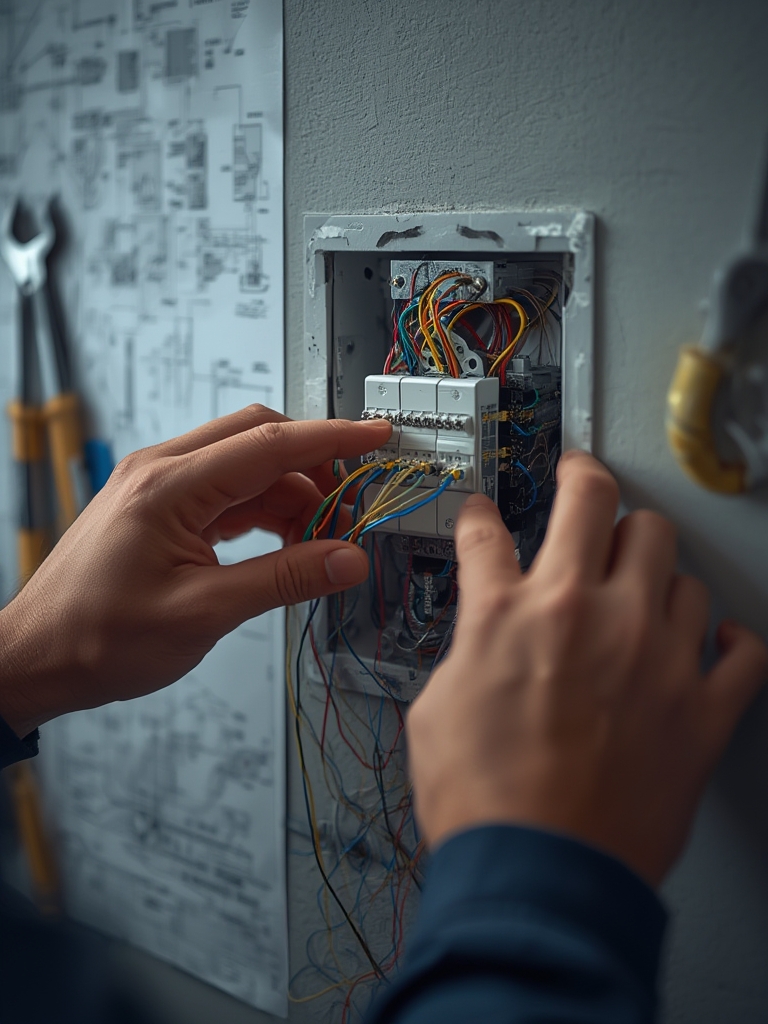
For instance, I once sourced an “app controlled light zones” switch based on glowing product descriptions, only to find the max load per channel was under 1A—completely inadequate for my kitchen’s LED strips and pendants on a single zone. It required special contactors and extra wiring, none of which was referenced in the listing or setup guide.
If you want a sense of how this process compares to other complex home upgrades, check out our loft conversion cost breakdown—the same transparency challenge applies across many trending smart home upgrades.
If you’re upgrading a kitchen or workspace, integrating with AI home assistant hubs or pairing with a LED wall lighting system can amplify both the benefits and the complexity of your zone design. The key lesson: plan, map, and check every integration before purchase.
Beyond the Manuals: Advanced Analysis and Hidden Pitfalls in Multi-Zone Smart Light Switching
When reviewing the “fine print” of multi-zone smart light switch options, several recurring problems lurk just beneath the marketing gloss. Almost no product pages or “best smart switch” guides disclose these head-on.
| Hidden Pitfall | Why It Matters | What’s Usually Omitted |
|---|---|---|
| Incomplete Wiring Diagrams | You can’t verify install feasibility until after purchase | Neutral requirements, max load layout, 3-way support |
| Unspecified Max Zones/Loads | You may exceed product capabilities mid-project | Max channels per panel, per-zone wattage/amps |
| Missing Compatibility Matrix | May not work with existing bulbs, switches, or smart hubs | Tested ecosystems, protocol (Wi-Fi/Zigbee/Thread), dimmer support |
| Undefined Warranty/Recall Policy | Poor recourse if hardware fails or is unsafe | Years covered, RMA process, firmware update log |
| Overlooked Cost of Installation | Real cost can be 2x-3x product price if electricians or patching required | wall box depth, wiring adapter kits, permit/code compliance |
According to industry analyses and review audits, no current guides or manufacturer pages provide fully model-specific data for wiring, per-channel amps, supported protocols, standby power, warranty, or even return windows for these products. This is a pain point echoed in multiple user forums and aligns with feedback we see for other category-breaking smart home gear—such as Matter-compatible smart devices and portable induction cooktops riding the same transparency wave.
Expert input from the Global Market Insights team confirms these gaps: “Multi-zone smart switch performance, cost-of-ownership, or returns data is almost nonexistent. Buyers should review all published electrical specs and ask for install documentation before shortlisting any product.”
The lack of third-party performance tests or dealer audits means most “adjustable smart switch” buyers must rely on sparse case studies and forum threads. Until regulatory standards and mainstream demand catch up, you’re often testing uncharted waters—especially if your existing wiring lacks a neutral or requires code-compliant upgrades.
Conclusion
Until the market matures, every multi zone smart light switch upgrade carries hidden variables. What looks like plug-and-play is usually a complex blend of electrical compatibility, vague documentation, and incomplete ownership costs. The most important steps: clarify your real zone needs, verify wiring and integration up front, and demand (or independently uncover) the specs manufacturers don’t share.
Want more practical examples and smart-home workflow hacks? Explore our guides to AI-powered home assistants and LED lighting integration for next-level control—or see how others have avoided hidden expenses in their home renovation projects.
FAQ: Multi Zone Smart Light Switches
Are all multi zone smart light switches compatible with Alexa, Google, or HomeKit?
No. Even switches labeled as “smart” or “zone control” may only work with proprietary apps or basic integrations. Always check for specific certifications and tested compatibility before you buy.
How many zones can a typical multi zone smart light switch support?
Most off-the-shelf models support 2 to 4 zones per wall unit, but only a few high-end options can handle larger multi-room setups. Read product specs carefully and watch for hidden limits on channel assignments or device groupings.
Do I need an electrician to install a multi zone smart light switch?
In many cases yes, especially if your existing wiring lacks a neutral, or if multiple loads need remapping. Wall box depth and code compliance can also necessitate licensed installation in the US.
Are there any real energy savings with app controlled multi room smart switches?
Savings depend on reliable automation, low-standby draw, and whole-home integration. However, most vendors do not publish independent energy savings figures, so any claimed benefit is often anecdotal.
Where can I find detailed wiring diagrams or troubleshooting tips?
Most official documentation is sparse. Look for teardown videos, user forums, or Reddit threads for real-world schematics and install stories—these often reveal details the manuals omit.