
Reusable paper towel alternative is a term that’s everywhere in eco-friendly kitchen discussions—but is the switch really low-waste, cost-saving, or high-performing in practice? Real data and credible proof are surprisingly scarce.
Last updated: June 2024
If you’re determined to cut waste at home and want verifiable answers—on cost, adoption rates, performance gaps, and which “eco towels” deliver what they promise—this breakdown gives you the hard numbers, exposes where data is missing, and arms you to buy smarter (or skip the hype).
Key Takeaways
- The reusable paper towel market shows double-digit growth and strong adoption claims, but cost-per-use and performance data remain mostly unproven.
- Certifications and sustainability claims are often inconsistent or unverified among best-selling products, raising greenwashing concerns for buyers.
- No reliable lifecycle analysis currently demonstrates clear environmental superiority of reusables over single-use paper towels—leaving a data gap for eco-focused decisions.
- The Rapid Rise (and Limits) of Reusable Paper Towels: What the Market Data Really Shows
- Buying Into Reusables: What’s Actually Proven on Cost-Per-Use and Lifetime Value?
- The Performance Gap: What We Still Don’t Know About Absorbency, Durability, and User Experience
- Certifications and Claims: What’s Missing from Best-Selling “Eco” Towels?
- The Environmental Ledger: Life Cycle Impact of Reusable vs. Single-Use Paper Towels Remains Unquantified
- Purchase Roadblocks: What Drives—And Blocks—Conversion for Eco Kitchen Cloths?
- Conclusion: Making a Truly Informed Choice
- FAQs
The Rapid Rise (and Limits) of Reusable Paper Towels: What the Market Data Really Shows
Reusable paper towel alternatives—like bamboo, cotton, microfiber, and hemp cloths are surging in popularity, driven by a new wave of sustainability-focused consumers. Global market size has reached $1.12 billion in 2024 and is projected to hit $2.89 billion by 2033 (MarketIntelo). Adoption in Europe clocks in at 15% of households, while North America now holds 38% of global revenue share. Yet, precise numbers by age, household type, or even US state remain largely hidden from public view. That leaves most buyers relying on macro trends, not granular facts, when evaluating reusable kitchen towel adoption.

In practical terms, this means you’re not alone if you feel caught between viral “washable kitchen towel” claims and a lack of real-world transparency. Many households—particularly families passionate about low waste kitchen solutions—have made the switch on faith, hoping it’s better for the planet and their wallet. But the numbers that matter most for everyday decision-makers are still surprisingly thin.
For those frustrated by hype or curiosity about alternative solutions, there’s related value in investigating other trending home efficiency tools, like compact induction cooktops for energy savings or cordless steam mops for effortless cleaning, to add tangible impact alongside kitchen towel swaps.
Buying Into Reusables: What’s Actually Proven on Cost-Per-Use and Lifetime Value?
One of the most repeated claims about washable kitchen towel alternatives is that, after the upfront cost, you’ll save in the long run and generate less waste. Yet, despite dozens of eco-manufacturer marketing blips and viral reviews, there’s still no reliable, peer-reviewed data quantifying cost-per-use, washing frequency, or the genuine usable lifespan of bamboo or cotton reusables compared to traditional paper towels (HTF Market Insights).
In most kitchens, I’ve seen durable bamboo towels last for months but also heard from users encountering rapid wear and sour odors after 20 or 30 washes—a spread wide enough to make any annual-cost estimate shaky without controlled studies. Lack of hard data extends to all forms: no statistical average for reuses, no mainstream tracking of laundry resource use, and no independent direct cost-per-use analysis.
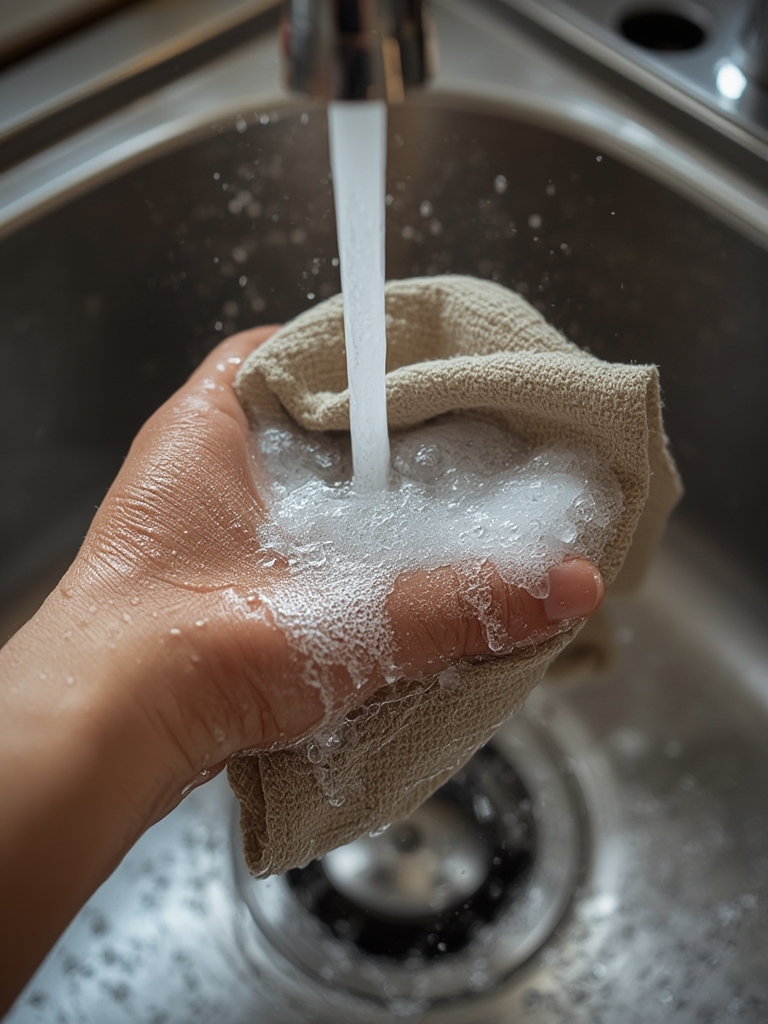
For a more robust approach to low-waste living, pair your towel experiments with related kitchen efficiency upgrades, like exploring compact vacuum sealers or minimalist pantry containers, both of which offer measurable reductions in single-use waste and food spoilage.
The Performance Gap: What We Still Don’t Know About Absorbency, Durability, and User Experience
Performance claims are a major selling point in the reusable paper towel alternative market. Brands often tout superior absorbency (“up to 20x their weight in water”), antimicrobial “eco-materials,” or durability across 100+ washes. But according to available market research, credible, repeatable testing data—such as actual absorbency in ml/gram or proven grease-removal abilities—remains unpublished (MarketIntelo).
In practice, real users frequently flag issues like towels developing odors (particularly in humid climates), mildew, excessive lint, shrinkage, or seams fraying. Yet, there’s no accessible public dataset linking these complaints to specific brands or materials in a statistically meaningful way. Instead, the feedback loop is dominated by anecdotal Reddit threads and scattered Amazon reviews, leaving buyer experiences highly variable.
Interested in other kitchen upgrades that deliver independently verified performance? Consider reading about trending kitchen steamers for healthier cooking or open plan kitchen dividers to optimize social space versus privacy—in both categories, hard specs are available for real-world comparison.
Certifications and Claims: What’s Missing from Best-Selling “Eco” Towels?
You’d expect the hottest eco friendly paper towel trending products to offer clear, verified material or safety certifications (think: GOTS for organic cotton, OEKO-TEX for safety, FSC for bamboo sourcing, or ISO for antimicrobial claims). The reality? Most of the fastest-moving, “Amazon’s Choice,” or viral options provide only generic brand statements and lack third-party lab test results (HTF Market Insights).
This means a conscientious buyer faces a real risk of greenwashing—where a towel brand uses vague “eco” terms, pronounced durability, or even fake origin claims to stand out in a crowded market. For families hoping for truly low-waste kitchen solutions, the absence of verifiable certification details is a major red flag.
Pro tip: Always check product listings for linked certificates or reports. If the brand only references “organically grown materials” or “ISO-like antimicrobial,” and cannot provide documentation, skepticism is warranted. Savvy buyers sometimes dig into company websites or contact sellers for proof—few get clear answers.
This issue isn’t unique to towels. It parallels complaints in other current home categories, such as Matter-compatible smart home devices, where actual interoperability can lag behind claimed standards.
The Environmental Ledger: Life Cycle Impact of Reusable vs. Single-Use Paper Towels Remains Unquantified
If your primary goal is creating a low waste kitchen solution, numbers matter. Yet, no full lifecycle analysis—including greenhouse gas emissions, water footprint from wash cycles, or landfill impact—has been published directly comparing reusables to standard paper towels with all real-world variables (like washing every two or three days, typical hot water usage, or how many times you reuse each towel) (MarketIntelo, Intel Market Research).
Industry reports and eco product guides often cite reduced landfill waste and lower long-term environmental impact from reusables, but these claims always lack quantification—especially when actual laundering habits are factored in. The same knowledge gap appears when tracking waste-reduction impacts of other solutions like folding machines for laundry or mini portable washers, where energy and water consumption are similarly complex to analyze.
Until independent bodies or universities release transparent, apples-to-apples comparisons, any sweeping statement about the eco-superiority of sustainable cleaning cloths should be viewed as “aspirational”—rather than proven fact.
Purchase Roadblocks: What Drives—And Blocks—Conversion for Eco Kitchen Cloths?
Trendy eco towels are undeniably selling fast online, especially via e-commerce platforms and subscription models. Still, objective data on what really boosts—or blocks—conversion is hard to find. Most retailers highlight customizable designs, multi-pack sizing, and eco-packaging, but insights about everyday pain points (such as pack counts, dispensing methods, or replacement frequency) are absent from industry reporting (MarketIntelo).
Anecdotally, “one-size-fits-all” packs wind up sitting ignored in some homes and disappear instantly in others. Without third-party tracking, buyers are left to guess which system really delivers. This mirrors gaps seen in other fast-moving household product spaces (see desk treadmill conversion advice for similarly low-data product categories).
Conclusion: Making a Truly Informed Choice
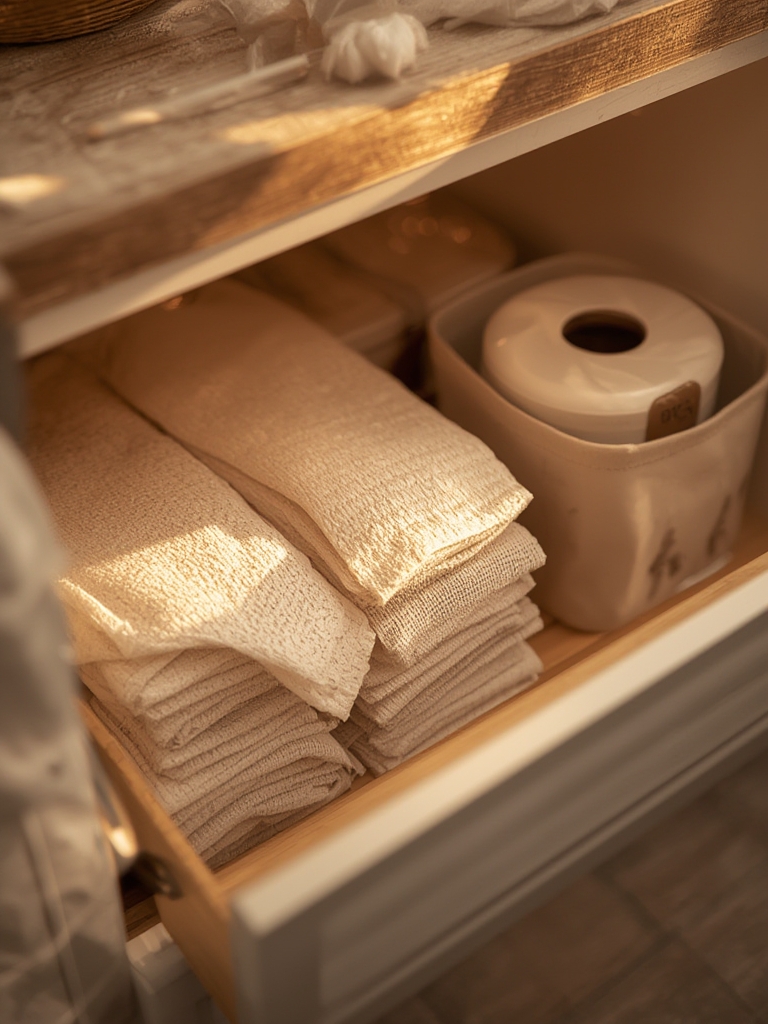
Switching to reusable paper towel alternatives is potentially a win for waste reduction and long-term cost savings—but the lack of hard data means each household’s mileage will vary. The biggest takeaways are:
- Market momentum is real (double-digit global growth and visible adoption), but certification gaps and unverified “eco” claims persist.
- Cost-per-use and environmental claims are rarely grounded in robust, public data.
- Performance and durability depend heavily on brand, laundering style, and home environment.
Before you add a new set of bamboo or microfiber towels to your cart, demand clear answers from sellers about certifications and be realistic about the potential to save (or waste) money. If you want more data-backed tips for building a low-waste, high-efficiency kitchen beyond just towels, check out our guides on portable induction cooktops and pantry organization hacks. Make every swap—reusable paper towel alternative included—count for you, not just the next viral trend.
FAQs
What is the typical lifespan of a reusable paper towel alternative?
Most reusable towels claim to last between 50 and 200 washes, but real-world lifespan depends on material and laundering habits. No independent studies exist, and buyers report variable results with some towels going threadbare after just a few months.
Do reusable paper towels really save money compared to single-use?
Theoretically, reusables cut costs over time, but without transparent, measured cost-per-use studies, savings claims remain largely anecdotal. Always calculate laundry expenses before assuming guaranteed savings.
Which material is best for performance: bamboo, cotton, or microfiber?
Bamboo cloths are praised for high absorbency and antimicrobial properties, cotton for softness, and microfiber for fast drying and toughness. However, there’s a lack of repeatable testing to rank them definitively in actual kitchen mess scenarios.
Are “eco” towel certifications like GOTS or OEKO-TEX reliable?
Certifications matter but many best-sellers either don’t disclose them or offer vague info. Only trust products with visible, verifiable certifications, ideally backed by independent lab testing or documentation.
How do reusable paper towel alternatives impact the environment?
Reusables likely reduce landfill waste, but there’s no complete lifecycle analysis factoring in energy, water, and detergent use. Environmental superiority remains an assumption, not a proven fact, at this stage.