
Last updated: June 2024
Below, you’ll get an evidence-based look at what truly separates proven portable air purifiers from the social media hype—including independent test results, cost realities, and the exact benchmarks ignored by most “top pick” articles.
Key Takeaways
- Most “trending” portable air purifier guides skip over independent CADR testing, long-term filter costs, and safety certifications—exposing buyers to underperforming or non-compliant devices.
- Only a few portable purifiers, like CleanAirKits Triple Exhalaron, Levoit Vital 100S, and Winix A231, have real-world, lab-verified stats for coverage, noise, and filtration performance.
- If you care about actual results and low ownership costs, always dig for third-party performance and compliance data—and be wary of viral picks with vague or missing benchmarks.
- Why Most “Trending” Portable Air Purifier Reviews Leave Out What Matters Most
- The Few Portable Air Purifiers With Verified Performance (And the Hard Data Buyers Need)
- The Pain Points You’ll Actually Face: User Complaints That Go Unreported
- Critical Certification and Travel Compliance: The Overlooked “Dealbreaker” for Portable Air Purifiers
- The Real 24-Month Cost: What You’ll Actually Pay (and Why Viral Picks May Cost You More)
- How to Choose: Evidence-based Thresholds for Performance, Noise, and Coverage
- Conclusion: What Actually Matters in 2025’s Portable Air Purifier Market
- FAQ: Portable Air Purifier Trending
Why Most “Trending” Portable Air Purifier Reviews Leave Out What Matters Most
If you’ve clicked through “small air purifier viral 2025” reviews expecting clear answers, you probably noticed something odd: almost none provide true side-by-side test results for CADR (Clean Air Delivery Rate), real filter costs, or even the safety marks needed for air travel. Instead, you’ll see vague claims like “ideal for your desk” or “powerful for its size”—but independent test data is usually missing.
This isn’t just frustrating; it’s risky for buyers who travel or use purifiers in small, poorly ventilated spaces. According to independent testing, only one portable model (CleanAirKits Triple Exhalaron) in the current “best portable air purifier trending” lists includes third-party CADR data at all. Most reviews also skip over noise testing at different speeds, gloss over lifecycle costs (filters, power, returns), and fail to warn if a device lacks AHAM, UL, or airline battery certifications.
In practice, many renters and frequent travelers end up with a viral air purifier that looks great on TikTok, but delivers underwhelming air cleaning or racks up high filter bills over a year or two. These overlooked details make the difference between a truly portable, reliable mini HEPA air cleaner—and a glorified desk decoration.
The Few Portable Air Purifiers With Verified Performance (And the Hard Data Buyers Need)
Despite dozens of “top picks” crowding affiliate guides, only a handful of trending portable models actually publish (or have been subjected to) independent lab testing for things like particle removal, room coverage, motor efficiency, and noise levels measured in real rooms.
To cut through the fluff, look for these 2025 standout models that have verified performance:
- CleanAirKits Triple Exhalaron: Independent testing shows a CADR of 131 cfm and a measured noise floor of 40.5 dBA at low speed. In lab tests, it cleaned a 194 sq. ft. room in 46 minutes—matching much larger plug-in units. The device is USB-C powered, making it truly portable.
- Levoit Vital 100S: In third-party trials, achieved 95% air quality boost in a 194 sq. ft. room in 60 minutes, with a coverage spec up to 219 sq. ft. The energy efficient 35W motor helps it fit both on desks and in carry bags without hiking electric bills.
- Winix A231: One of the only mini HEPA air cleaners to bear true HEPA independent verification (99.97% particle capture of ≥0.3 microns). Recorded 92% real-world air quality improvement in 194 sq. ft. in an hour.
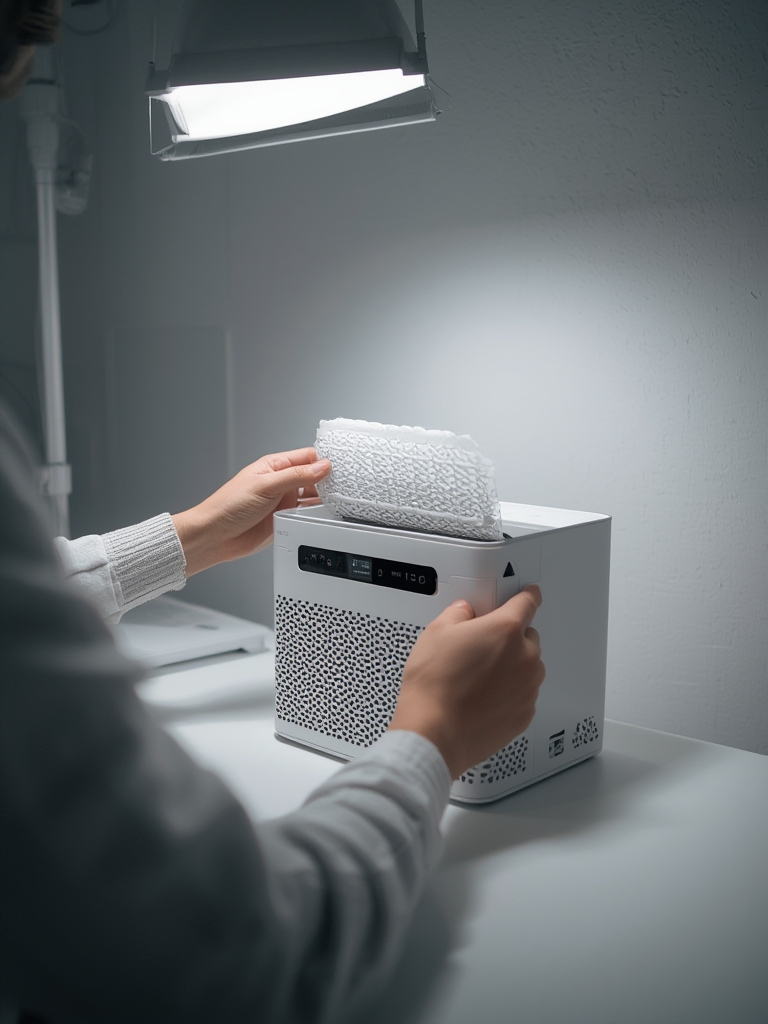
A recurring theme from independent lab tests and expert reviews: buy based on published real-world coverage (minimum 194–219 sq. ft.) and measured noise at multiple speeds. For offices, hotels, or car travel, a compact device under 41 dBA makes a real difference for undistracted work or sleep.
Compared with “viral” units that rarely quote these stats, this research-oriented approach exposes real lifetime value—and avoids overpaying for just a stylish exterior.
The Pain Points You’ll Actually Face: User Complaints That Go Unreported
What do typical “best portable air purifier trending” reviews completely ignore? The everyday frustrations actual users vent about in forums, Amazon Q&As, and support tickets. The biggest recurring complaints are not about airflow or style—they’re about surprise costs, missing features, and short battery life that break the “portable” promise.
- Filter drama: Many viral purifiers don’t use standard filters, leading to hard-to-find or wildly marked-up replacements. For models like Levoit Vital 100S, reviewers specifically mention consistently affordable, long-lasting filters as a major plus. For most others, recurring filter availability is a critical pain point (especially for long trips or seasonal use).
- Short battery life: The majority of trending models gloss over real battery endurance. Some last only 2–3 hours at max speed, well below what’s needed for overnight or long-haul travel.
- Lack of smart control: A common complaint about small air purifier viral 2025 picks is the absence of app controls or smart home integration, leaving users locked into manual-only operation.
In practice, people find that portable air purifiers are only as helpful as their lowest maintenance headache. Hidden filter costs and limited power flexibility often become the real dealbreaker. For a truly hassle-free option, always verify replacement filter availability, typical run times, and (if you want it) smart feature support before buying any air purifier for desk use.
For deeper insight into other trending home gadgets with unexpected quirks, explore our guide to compact induction cooktops—another recent viral favorite with often-overlooked pitfalls.
Critical Certification and Travel Compliance: The Overlooked “Dealbreaker” for Portable Air Purifiers
A detail routinely ignored by most viral review lists: safety and regulatory compliance, especially if you plan to travel with your portable air purifier. Despite being positioned as travel air purifier gadgets, almost none of the “top-rated” models disclose whether they meet requirements for airline battery transport, or carry independent safety and filtration certifications.
- Battery Safety (UN38.3): No leading portable model in 2025 reviews discloses compliance with UN38.3 for lithium battery air transport. This is a real concern—for certain devices, airlines can (and do) reject carry-ons not clearly marked as certified.
- Filter Quality: AHAM Verifide and CARB (California) compliance are typically missing. Of trending portables, only the Winix A231 is verified as True HEPA (source). Do not confuse “HEPA-type” or “medical-grade” marketing with a true certified filter.
- Electrical Safety (UL/CE): No portable units in top lists display independent electrical safety marks. This omission matters for frequent hotel or international use.
According to the HouseFresh 2025 performance roundup, missing compliance with these certifications is a silent risk for travelers. Always check manufacturer disclosures—if no certificates or markings are listed, proceed with caution. If this level of oversight worries you, see our trusted guide to Matter-compatible smart devices for smart home upgrades with verified safety standards.
The Real 24-Month Cost: What You’ll Actually Pay (and Why Viral Picks May Cost You More)
Upfront prices are just the tip of the iceberg. Filter replacements, power bills, and hassle (or fees) if you return a dud can add hundreds to the total cost of owning your portable air purifier—especially for travelers or renters who swap filters year-round.
Yet, very few “small air purifier viral 2025” roundups provide total cost breakdowns. Here’s what’s actually on the table:
- Levoit Vital 100S: Known for its “affordable and long-lasting replacement filters,” plus a modest 35W motor that keeps power bills minimal. However, most guides don’t crunch actual dollars spent over 24 months.
- Generic viral picks: Frequently use brand-specific filters with irregular or inflated restock prices (some exceeding $50 per filter, replaced every 4–6 months).
- Return policies: Top-ranked models rarely disclose return shipping or restocking fees, which can eat into any “deal” if performance fails to impress.
In the absence of hard numbers from manufacturers, a practical estimate is to double check the expected filter interval (most are 6 months, sometimes 3) and multiply by the actual Amazon/brand site price. For office users or frequent travelers, low filter frequency and broad 3rd-party stock availability generally translate into lower lifetime costs.
For a broader take on avoiding hidden costs in home upgrades, our loft conversion cost breakdown offers a proven model for estimating real value, not just up-front price tags.
How to Choose: Evidence-based Thresholds for Performance, Noise, and Coverage
Anyone faced with dozens of travel air purifier gadget and mini HEPA air cleaner options needs a cut-and-dried way to separate real workhorses from stylish, but underpowered, hype. Yet, almost no guides share specific, research-backed numbers for what counts as “enough” CADR, coverage, or run time. Here are the best-validated minimums, drawn from recent independent tests:
| Metric | Recommended Minimum | What Top Models Deliver |
|---|---|---|
| Coverage | ≥194 sq. ft. | Levoit Vital 100S, Winix A231, CleanAirKits Triple Exhalaron |
| Air Quality Improvement | ≥92% in 60 minutes (room-size test) | 92–95% (validated by independent testing) |
| Noise (Operational) | ≤40.5 dBA | Triple Exhalaron: 40.5 dBA; others not always listed |
| CADR (Clean Air Delivery Rate) | ≥100 cfm (for travel/desk, per test room sizes) | Triple Exhalaron: 131 cfm (verified); others not always specified |
| Battery Run Time | 8+ hours (for overnight/travel use) | Rarely disclosed, check buyer reviews |
In practical terms, any air purifier for desk or travel use should match the above stats—otherwise, you’re risking money on style over substance. From industry experience, prioritize clear CADR and independently verified HEPA grades; treat any missing noise, filter, or battery spec as a red flag.
For workspace improvement, our office cubicle makeover guide and standing desk converter tips share further research-based benchmarks to help you get more from your gear.
Conclusion: What Actually Matters in 2025’s Portable Air Purifier Market
Most “portable air purifier trending” products go viral because they look slick or claim “medical-grade” filtration—but the real value comes from proven, independent lab results and the hard numbers few reviews actually show. If you want an air purifier you can rely on for travel or work, demand evidence: proper CADR ratings, real filter costs, and certification transparency.
In short: don’t get caught by stylish, yet superficial, portable air purifiers. Focus on verified performance, affordable filters, and travel-ready compliance. Portable air purifier trending lists won’t help you if they leave out the proof—always do the extra check.
For more trusted buying strategies in the smart home and apartment upgrade space, see our guide to AI-powered home assistant hubs or our roundups on breakout sunrise alarm clocks and mini portable USB washers.
FAQ: Portable Air Purifier Trending
What is the most important spec when choosing a portable air purifier for travel?
Independent Clean Air Delivery Rate (CADR), travel-ready battery certification (UN38.3), and filter replacement cost/interval all matter most. Look for published third-party test results, especially for airline carry-on use.
Are small air purifiers effective for desks and hotel rooms, or mostly hype?
Lab-tested models like CleanAirKits Triple Exhalaron and Levoit Vital 100S show 92–95% air quality improvement in small rooms. Effectiveness drops fast if the CADR isn’t specified or filter quality isn’t truly HEPA-rated.
How often will I need to replace a portable air purifier filter?
Most quality models require filter changes every 4 to 6 months with typical daily use. Always check actual filter pricing and stock availability—some viral models use expensive or hard-to-source cartridges.
Can all portable air purifiers be brought onto planes?
No. Only those with UN38.3 certified lithium batteries are safely accepted by airlines as carry-on. Most trending models do not disclose this; always confirm battery compliance if you intend to fly.
Why do so many “best air purifier” guides skip key data like CADR or certifications?
Most roundup sites rely on manufacturer claims or marketing materials, which rarely include independent performance tests or compliance proofs. Genuine lab data is available for only a select few trending models.