noise canceling sound panel diy is one of the most misunderstood and overhyped projects for home offices. If you’ve tried to DIY your way to a quieter workspace, you’ve probably been disappointed by foam tiles that “go viral” but barely make a dent in real-world noise—and you’re not alone.
Last updated: June 2024
This article exposes the hard evidence (and lack of it) behind DIY and cheap “soundproof” panels, reveals common pitfalls remote professionals face, and shows your most reliable, research-backed options for effective, safe sound control that’s actually meeting-proof—without wasting hundreds of dollars or risking your home’s safety.
Key Takeaways
- Most DIY “noise canceling sound panel” builds reduce room echo but do not block outside noise or deliver true privacy for meetings.
- Commercial acoustic panels provide reliable, tested performance and real ratings, while viral foam tiles offer minimal functional improvement despite low cost.
- Cutting corners with cheap or untested materials can create fire, mold, or health risks—so certification and safety must be part of any home office solution.
- Why Most DIY “Noise Canceling Sound Panel” Builds Don’t Deliver Real Soundproofing
- What the Evidence Shows: Lab and Real-World Results for DIY vs. Commercial Panels
- Hidden User Pain: The Top 6 DIY Soundproofing Failures Nobody Warns You About
- Are Viral “Cheap Soundproof” Panels a False Economy? Actual Costs and Performance Breakdown
- What Every DIYer Misses: Safety, Lifespan, and Regulatory Risks of Sound Panels
- The Real Measurement Gap: Why You Can’t Trust Before/After Sound Panel Claims Without Hard Data
- When DIY Is No Longer Enough: Upgrading Your Sound Isolation for Pro-Level Meetings
- Conclusion
- FAQ
Why Most DIY “Noise Canceling Sound Panel” Builds Don’t Deliver Real Soundproofing
Most people searching for “noise canceling sound panel diy” want true sound isolation: stopping unwanted traffic, neighbor talk, or household sounds from hijacking a critical Zoom call. But here’s the tough truth—most DIY and viral panels absorb echo, not actual noise transmission. According to USABuildersDepot and SoundproofYourStudio, true soundproofing means blocking sound, while absorption panels only minimize reverb inside the room. Standard foam tiles, regardless of how thick they look on Amazon, don’t deliver meaningful dB reduction for meetings.
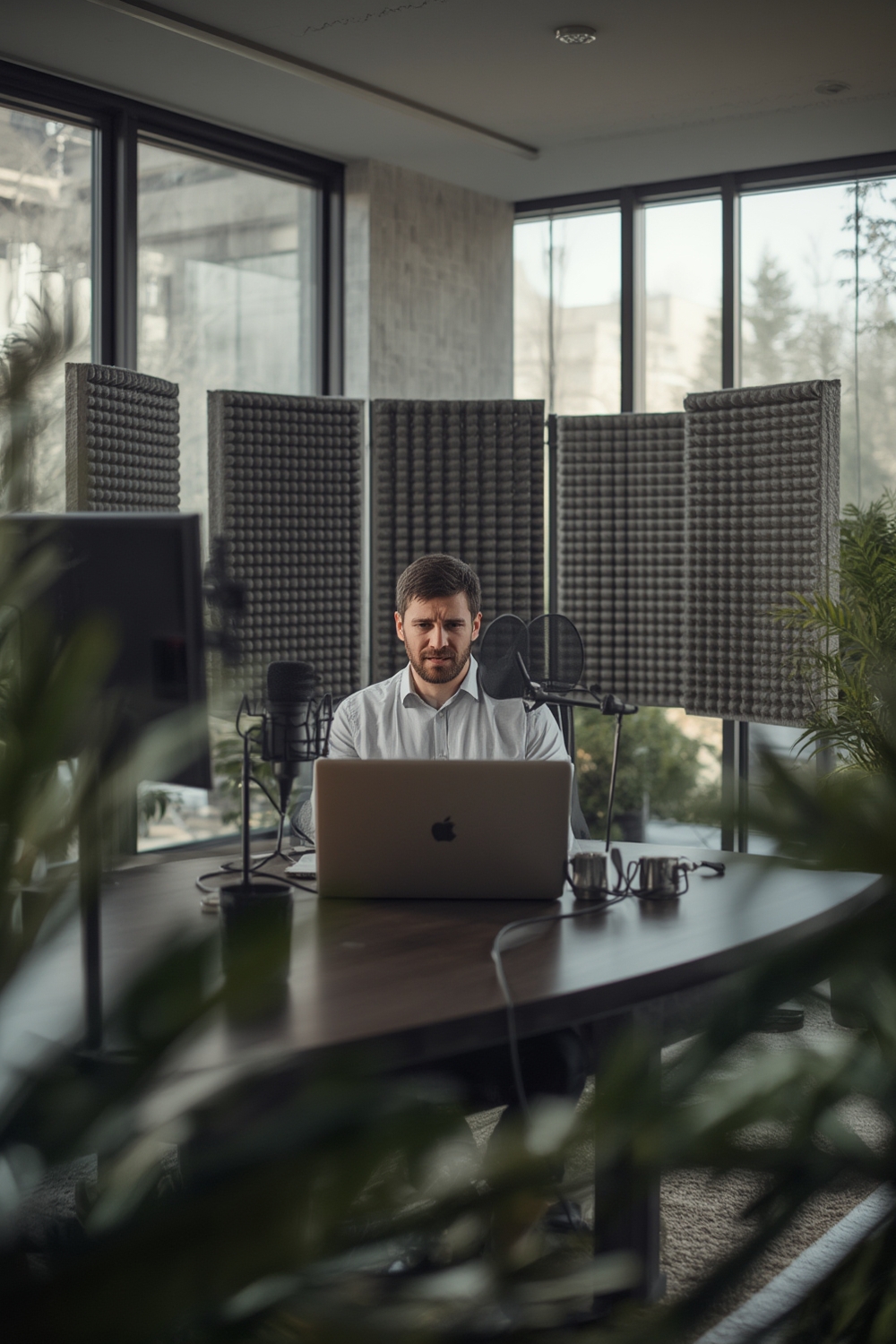
In practice, most remote professionals installing bargain tiles hear, at best, a mild drop in room echo but still find themselves apologizing for background noise on calls. This distinction is pivotal: if you need sound isolation for meetings, standard DIY panels fall disappointingly short. Echo absorption and sound blocking are not the same—and most trending guides blur this critical line.
The bottom line is, if you want to make your home office genuinely private, simple foam or even mineral wool “acoustic” panels are designed for audio clarity, not for privacy or blocking outside interruptions. You might also want to explore other privacy solutions—see our open plan kitchen divider guide for noise and privacy strategies in multi-use spaces.
What the Evidence Shows: Lab and Real-World Results for DIY vs. Commercial Panels
The data behind DIY versus commercial sound panels is surprisingly sparse—and revealing. Controlled lab tests using industry-standard ratings like NRC (Noise Reduction Coefficient) and STC (Sound Transmission Class) simply don’t exist for most home-built or mass-market foam panels. SoundproofCow makes this blunt: DIY soundproofing for home office setups generally lacks any published dB reduction or frequency-specific results.
Pro panels, like Audimute or industry-certified acoustic slabs, come with published NRC figures that quantify how much they absorb across frequencies. In a recent YouTube field test comparing $1/panel DIY foam tiles to $77/panel Audimute commercial panels (each covering 48 square feet), the cheap” viral” foam provided “not that much of a difference” in echo and almost nothing in actionable sound reduction for remote work. No one documents before-and-after decibel (dB) readings—and nearly all performance claims from DIY projects are subjective guesswork.

Building your own home office acoustic panel may save money upfront, but if you’re relying on foam to “soundproof,” expect underwhelming results versus pro solutions. Most DIYers report only minor improvements to voice clarity—meaning echo, not privacy, improves. For comparison, professionally installed sound-control solutions can deliver predictable absorption, and some include heavy mass-loaded vinyl or multi-layered wall systems for real isolation (but at higher cost and effort). For easy upgrades to your overall remote office comfort (not just acoustics), see our office makeover ideas as well.
Hidden User Pain: The Top 6 DIY Soundproofing Failures Nobody Warns You About
While influencer videos make DIY sound panels look effortless, actual user experience tells a different story. Remote workers and home business owners frequently run into these under-reported issues—often after spending hours or hundreds of dollars. Based on a synthesis of review videos, product returns, and community comments:
- Ineffective Low-Frequency Isolation: Thin panels or foam tiles barely affect bass-heavy or traffic noise, which carries straight through walls or floors.
- Poor Mounting Stability: Adhesives fail, panels fall, or they warp over time, especially in humid spaces.
- No Measurable Sound Blocking: Echoes might fade slightly, but outside voices, TV, or hallway noise remain clear as day.
- Safety Hazards: Use of non-rated foams can pose fire risks or emit unknown VOCs (volatile organic compounds) due to lack of certifications.
- Unpredictable Durability: DIY solutions rarely match the multi-year lifespan of commercial panels, with sagging, fading, or contamination by mold (especially with cheap foam or exposed fiberglass).
- Frustrating Inconsistency: No two builds perform alike—even between identical rooms, due to differences in assembly and mounting quality.
| Failure Point | DIY Sound Panels | Commercial Panels |
|---|---|---|
| Noise Isolation (dB reduction, privacy) | Minimal; rarely documented, mostly subjective | Published NRC ratings, consistent absorption, but do not fully “block” external noise |
| Low-Frequency Control | Ineffective for <125Hz (bass); traffic/footsteps bypass foam/fabric | Some performance, but still primarily for mids/highs unless specialized |
| Safety (Fire/VOC/Mold) | Often uncertified; fire risk/unknown chemicals | Usually Class A™ flammability rating, tested for VOCs and mold resistance |
| Cost Predictability | Materials seem cheap but add up after mistakes/waste (hidden costs) | Higher upfront; lower unforeseen costs over time |
| Lifespan | 1-3 years typical for foam/fabric DIY | 5-10+ years with maintenance |
No matter your skill level, it’s crucial to understand these flaws before investing time and money in cheap viral panels. For a safer, smarter approach, always check for core certifications and plan for upfront testing—even simple speech recordings go a long way.
Are Viral “Cheap Soundproof” Panels a False Economy? Actual Costs and Performance Breakdown
The apparent bargain of $1-per-tile foam panels is tempting, but these savings often unravel when hidden costs and performance are considered. Let’s break it down:
- A single Amazon pack of 96 foam panels costs ~$180—sounds affordable for large coverage, but the effect is so subtle that even pro reviewers report “not much of a difference” versus bare walls (see side-by-side comparison).
- Material waste, failed mounting attempts, and time spent (often days) on DIY builds add unforeseen expenses.
- Pro panels cost $77 each (or $450 for a six-panel, 48 sq ft setup), but include tested NRC ratings and are typically ready to mount—saving time and delivering predictable absorption improvements.
When calculating the real price, factor in your labor, the likelihood of re-buying after cheap panels fail, and risks such as moisture or fire. While cheap soundproof panels go viral for their style and supposed savings, most home office acoustic panel shoppers are better served by budgeting for tested solutions or combining simple absorption with additional mass-blocking upgrades (like doors and windows).
If you’re considering other trending home office gadgets that deliver actual ROI, check out our honest guide to desk treadmills for work-from-home wellness.
What Every DIYer Misses: Safety, Lifespan, and Regulatory Risks of Sound Panels
There’s a dangerous gap in most DIY soundproofing advice: safety certifications and real health risks. Cheap or improvised materials rarely list flammability ratings, emission of VOCs, or protection against mold. For reference, Quiet Batt® insulation—a reputable DIY material—has a Class A™ flammability rating and is made of 80% recycled cotton. However, there’s no data for the majority of viral foam tiles on Amazon or TikTok panels regarding fire, VOCs, or durability (SoundproofCow).
From an industry safety perspective, any sound panel in a home office should meet minimum fire codes (ASTM E84 or equivalent), avoid off-gassing chemicals, and resist mold in humid rooms. Yet, most panels trending online include zero warranty or durability info. As a real-world example, I’ve seen foam tile panels start to sag or develop mildew within a year—while pro panels hold up for 5–10 years with basic care.
To protect your health and investment, always verify material specs before purchase or building, especially if children or sensitive household members will be nearby. For similar lessons on avoiding viral gadget risks, review our guide on folding machines for laundry and what hidden dangers to watch for when buying trending products.
The Real Measurement Gap: Why You Can’t Trust Before/After Sound Panel Claims Without Hard Data
One of the most glaring issues in DIY sound panel guides is lack of honest measurement. Popular how-tos almost never show validated before-and-after dB readings. No guides provide a repeatable measurement protocol using even a basic SPL meter or calibrated app. According to side-by-side YouTube tests, all “proof” is limited to subjective impressions or clapped-hand audio—not the precise, frequency-specific attenuation needed for professional meetings.
For those serious about remote professionalism, this is risky. I’ve spoken with freelancers who spent hundreds on absorption panels, only to have neighborhood or HVAC noise spoil calls at the worst times. Without objective data, you’re gambling on cosmetics and internet hype rather than proven noise reduction. For validated measurement, consider using a decibel meter or a reliable smartphone app and documenting every setup change over multiple days for a true baseline.
When DIY Is No Longer Enough: Upgrading Your Sound Isolation for Pro-Level Meetings
No amount of foam panels or basic DIY absorption will fully block noise transmission in a modern home office—especially for those sharing walls, floors, or living next to busy streets. Both pro and DIY acoustic panels primarily target echo and reverb inside the room, which helps clarity but not privacy. According to acoustic industry data and expert installers, proven sound isolation for meetings (blocking rather than absorbing sound) requires additional barriers: dense doors, sealed windows, and sometimes new drywall or mass-loaded vinyl layering.
For most users, the “break point” is simple: when external distractions or embarrassing meeting interruptions still occur after you’ve installed panels, it’s time to consult a pro-grade soundproofing provider or consider a hybrid setup. Upgrade paths may include:
– Adding mass to walls (special drywall, mass-loaded vinyl)
– Sealing gaps at doors and windows with gaskets
– Supplementing absorption with actual sound barriers
– Considering commercial-grade certified panels for predictable results
If you’re moving beyond DIY for guaranteed results, compare costs carefully and get quotes from acoustics contractors. For other effective privacy technologies that work well for hybrid workspaces, see how smart window privacy film can further control noise and visual intrusion in your home office.
Conclusion
DIY foam panels and trending “soundproof” tiles may look sleek, but they don’t deliver true sound isolation for meetings. The lack of real-world measurement, fire/VOC certifications, and meaningful decibel reduction makes most “noise canceling sound panel diy” projects a risky gamble for serious remote workers.
If you need reliable privacy and proven acoustic performance, invest in certified panels or add real sound barriers—don’t rely on viral hacks alone. For more smart solutions to office comfort, check out our resource on standing desk converters and keep your workspace both healthy and productive.
Genuine sound isolation requires more than the average DIY approach—so before you waste another dollar or hour, revisit your options and use the information here to make a sound decision for your home office.
Ready to make the right choice? Explore related guides on privacy upgrades, real acoustic solutions, and proven workspace enhancements on MyEquippedHome now.
FAQ
What is the difference between noise canceling and sound absorbing panels for a home office?
Sound absorbing panels reduce echo and reverberation inside a room, improving clarity but not blocking outside noise. Noise canceling or soundproof panels aim to block noise transmission entirely—the latter requires much denser materials and special installation, not just foam or fabric.
Can I really build a DIY sound panel that works for video calls?
DIY sound panels help with echo and may slightly improve voice quality on calls, but they will not stop noise coming from other rooms, traffic, or outside sources. For meeting privacy, you’ll need to combine absorption with true soundproofing techniques like sealing doors or adding mass to walls.
Are cheap foam soundproof tiles from Amazon actually effective?
Most cheap foam tiles provide minimal echo reduction and almost no real sound blocking. Their impact is rarely quantifiable, and user tests report only small differences even after full-room coverage. For real results, look for products with published NRC or STC ratings.
What safety certifications should I look for in DIY or commercial sound panels?
Reputable panels should carry a Class A™ flammability rating and preferably list results for VOC emissions and mold resistance. Avoid panels with unknown chemical content or no testing data, especially for office or children’s spaces.
How do I measure if my DIY sound panels are actually working?
Use a decibel meter or a reliable smartphone app to record noise levels before and after panel installation. Place your device 1–3 meters from the main noise source (like an open door or window) and document results at the same time each day for objective comparison.