Vintage maximalism home ideas are having a major comeback, but the hype overlooks practical roadblocks—budget shocks, technical hurdles, and safety issues—that can surprise even the most style-forward homeowner. If you want a bold, layered living room rooted in vintage maximalism (not just surface-level inspiration), you need more than mood boards and trend lists.
Last updated: June 2024
This guide goes beyond eye candy to give you an unfiltered look at real costs, restoration headaches, essential safety checks, and expert-backed shortcuts that will actually help you build a vibrant, functional maximalist space—without accidentally tanking your budget or risking your home’s health.
Key Takeaways
- Vintage maximalism is surging, but most guides ignore the hidden work and budget traps that can derail your project.
- Sourcing, authenticating, and styling colorful vintage interiors safely requires technical know-how, not just a good eye.
- This post reveals real numbers, risks, and practical solutions for creating a maximalist living room that genuinely works—long after the Instagram likes fade.
- Why Vintage Maximalism is Surging—and Who’s Fueling the Movement
- The Day-to-Day Challenges of Sourcing and Styling Bold Vintage Maximalism
- The Unwritten Rules—and Real Gaps—in Vintage Maximalist Design Guidance
- Budgeting for a Maximalist Living Room—What Real Costs Look Like
- Safety and Preservation: The Risks No One Talks About
- Authenticating Vintage Pieces for Value and Longevity
- The Technical Foundations: Light, Color, and Material Specs That Make Vintage Maximalism Last
- Conclusion
- FAQ
Why Vintage Maximalism is Surging—and Who’s Fueling the Movement
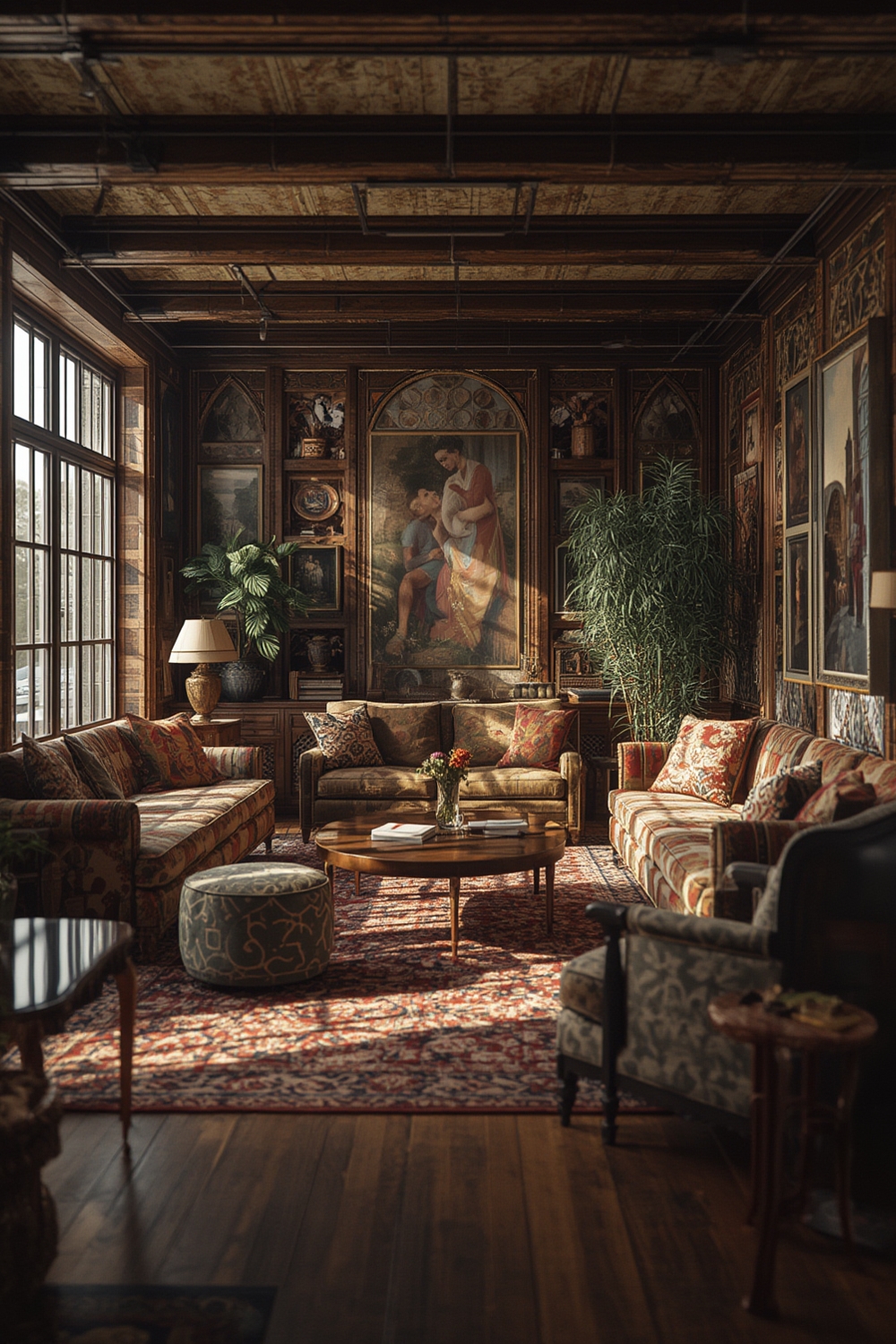
Maximalist living rooms packed with color, pattern, and vintage character are no longer niche—they’re now center stage. According to the 2025 1stDibs Designer Trends Survey, 39% of interiors professionals name maximalism as a leading 2026 home aesthetic, with 33% citing chocolate brown and a massive 85% prioritizing vintage or antique sourcing. Searches for dark wood have spiked 187% year-over-year (Good Homes Magazine). Pieces from the 1920s–1950s—think ornate sideboards, velvety sofas, and unique lighting—are particularly hot.
This isn’t only about designers or the ultra-wealthy. Millennials and Gen X homeowners, eager for self-expression after years of minimalism, are driving the trend. Social networks like Pinterest and TikTok are packed with maximalist reveals, but what you don’t see in most viral posts is what it actually takes to style and maintain these layered, vibrant setups at home. For instance, when one homeowner tried to recreate a ‘museum wall’ look, finding affordable, authentic art and hanging it safely turned out to be the real test—not choosing colors.
The Day-to-Day Challenges of Sourcing and Styling Bold Vintage Maximalism
It’s easy to fall in love with maximalist inspiration, but real vintage maximalist decor tips go beyond pattern mixing. The most common pain points for non-professionals include:
- Sticker shock from reupholstery or quality vintage furniture prices
- Misjudging scale (buying a sideboard or armchair that overpowers the room)
- Underestimating the effort (and cost) of restoring or cleaning vintage textiles
- Clutter overwhelm—when “layered” quickly turns chaotic
For example, a user in a popular Houzz forum recently shared that sourcing a genuine 1950s sofa doubled their budget after factoring in restoration and new foam. Others complain about “pattern regret”—realizing too late that their floral rug and striped wallpaper clash, or that heavy maximalism makes the room uncomfortable to use daily.
Remember: a maximalist living room should feel energizing, not suffocating. Rotate bold accents each season to avoid burnout. Regularly donate or swap out pieces so the space evolves—clutter can creep in fast.
If you need solutions for optimizing layout or maintaining open sightlines, see our open kitchen divider guide for adaptable partition concepts that also apply to bold living rooms.
The Unwritten Rules—and Real Gaps—in Vintage Maximalist Design Guidance
Despite hundreds of maximalist living room guides online, there’s almost no consensus about the technical “rules of thumb” that actually make vintage interiors work—especially for bold eclectic home style. Most trend articles mention “intentional mixing” or “statement colors,” but rarely specify pattern-to-solid ratios, maximum dominant colors, rug-to-floor percentages, or recommended furniture spacing.
In practical terms, most design pros suggest:
- Start with 2 dominant colors and let the rest support—too many bold paints become overwhelming fast
- Anchor with large solids: Use a solid-colored area rug or sofa to ground busy patterns on walls or pillows
- Leave at least 24–36” traffic flow between large pieces for usability
- Limit patterned upholstery to a max of 40% of the room’s surface area
Unfortunately, most high-ranking guides skip these benchmarks. As a result, newcomers often overcrowd their rooms or end up with visually noisy schemes that feel more “garage sale” than luxe. For layout guidance, interior pros reference specifications in standards like NKBA kitchen and bath documents, but no such detailed vintage maximalism guidelines exist. Until they do, measured restraint is your best friend.
If you love style-by-numbers resources, check out our office cubicle makeover guide for more practical ratio and space management benchmarks.
Budgeting for a Maximalist Living Room—What Real Costs Look Like
Transforming a standard 200–300 sq ft living room into a vibrant, functional maximalist space is rarely as cheap as online mood boards suggest. Most blog posts gloss over real numbers, but here’s a realistic itemization:
- Sofa or Sectional (vintage): $600–$2,000 (restoration or reupholstery adds $500–$1,500)
- Armchairs (pair): $300–$1,000
- Vintage Sideboard: $400–$1,000
- Accent Tables and Lighting: $150–$700
- Paint/Wallpaper: $200–$800 (including primer, specialty papers, or bold high-sheen paints)
- Textiles & Styling: $200–$600 (curtains, layered rugs, throw pillows, art/framing)
Buying from flea markets or Facebook Marketplace can slash these costs by 50% or more, but you’ll likely face more repair and cleaning work. Sourcing from vetted vintage dealers (like those on 1stDibs or Ruby Lane) usually costs extra but brings safer authenticity and condition guarantees.
One homeowner I spoke with scored a $150 midcentury chair at a thrift store, then paid $190 for upholstery clean-up and minor frame repair. With vintage, your cheapest deal isn’t always your best long-term value.
If you’re weighing other high-impact home investments, our loft conversion cost breakdown provides a similar real-world line-by-line approach.
Safety and Preservation: The Risks No One Talks About
Most vintage maximalist decor tips skip critical health and longevity checks—leaving DIYers at risk. Before adding vintage or antique furniture, always assess the following:
- Lead Paint: Pieces made before 1978 in the US may contain hazardous lead. Use EPA-recognized test kits or consult a restoration pro.
- Flame Retardant/Fire Safety: Soft furnishings, especially from the 1950s–70s, often lack modern flame-retardant compliance. Reupholster or add fire-resistant linings as needed.
- Pest and Allergen Risks: Old textiles and wood can harbor bedbugs, carpet beetles, dust mites, and mold spores. Quarantine new arrivals and deep clean before bringing indoors.
- Stability and Weight: Test for tip hazards—heavy sideboards, glass cabinets, and wall art should be anchored securely.
Safety best practices are outlined on the CPSC’s home safety portal. If unsure, err on the side of caution; many popular maximalist guides gloss over these pitfalls entirely. Prioritize air quality and family safety as part of your design process—maximalism shouldn’t mean hidden hazards.
For expert cleaning and pest-removal guidance, our move-out cleaning checklist covers critical steps for entryways that also apply to imported vintage pieces.
Authenticating Vintage Pieces for Value and Longevity
Unlike new purchases, sourcing colorful vintage interiors—and knowing you’re getting authentic value—is a minefield. Basics every buyer should check include:
- Joinery and Materials: Real vintage likely features dovetail joints, solid woods, or hand-finished surfaces. Particleboard or stapled frames signal newer reproductions.
- Maker’s Marks and Labels: Check drawers, frames, and the underside of chairs for stamps, paper labels, or manufacturer codes. Research them online or via library archives.
- Era-Specific Details: 1930s–40s items may use bakelite, early plastics, or handblown glass—details often faked in modern mass-produced pieces.
Price is often a clue: if a “Chippendale” sideboard is under $100, it’s probably a reproduction. The Good Homes 2026 trend report points to growing demand for legitimate pieces from the 1920s–50s.
Most “how to style” articles skip authentication entirely, risking costly mistakes. Experienced collectors even keep a flashlight and folding UV light in their bag for quick on-the-spot checks. If in doubt, bring photos to your local antique expert or appraisal fair. For a tech-forward approach to home accuracy, see our AI-powered home assistant guide for ways tech can help track provenance.
The Technical Foundations: Light, Color, and Material Specs That Make Vintage Maximalism Last
Vintage maximalist spaces that age gracefully rely on much more than aesthetic choices. Technical specs are rarely discussed online, but they are the backbone of durable, healthy, and visually balanced rooms.
- Lighting: Aim for ambient (main fixture): 200–300 lux; accent or task lights: 400–500 lux. Bulb color temperature between 2700K and 3200K flatters vintage finishes and bold colors best.
- Paint: Semi-gloss or satin finishes resist stains and highlight intricate moldings. Always check for low-VOC or zero-VOC labels, especially in small spaces.
- Textiles: Natural fibers (cotton, wool, linen) last longer, resist pilling, and rarely off-gas. Avoid direct sunlight—UV-filtering film on windows prevents fading of precious vintage rugs and upholstered chairs.
- Cleaning: Treat all fabrics (even “new old stock”) for dust mites. Professional steaming is safer than household sprays for delicate pieces.
These specs outlast trends and will help your maximalist living room perform for years without constant upkeep headaches. For more tech-enabled preservation tips, check out our piece on energy-efficient kitchen updates for vintage-modern homes.
Conclusion
Colorful vintage interiors and maximalist living rooms are here to stay—but only if you approach them with the right balance of inspiration and substance. Know your budget, validate every antique, and never skip safety or technical checks. Plan for function as much as style, and you’ll enjoy a space that feels bold, authentic, and genuinely livable.
If you found these vintage maximalism home ideas practical, you’ll also want to read our Japandi living room breakdown for a contrast in calm, minimalist layering—or browse our workspace transformation tips for more home upgrade strategies.
FAQ
What are the most affordable ways to source vintage maximalist decor?
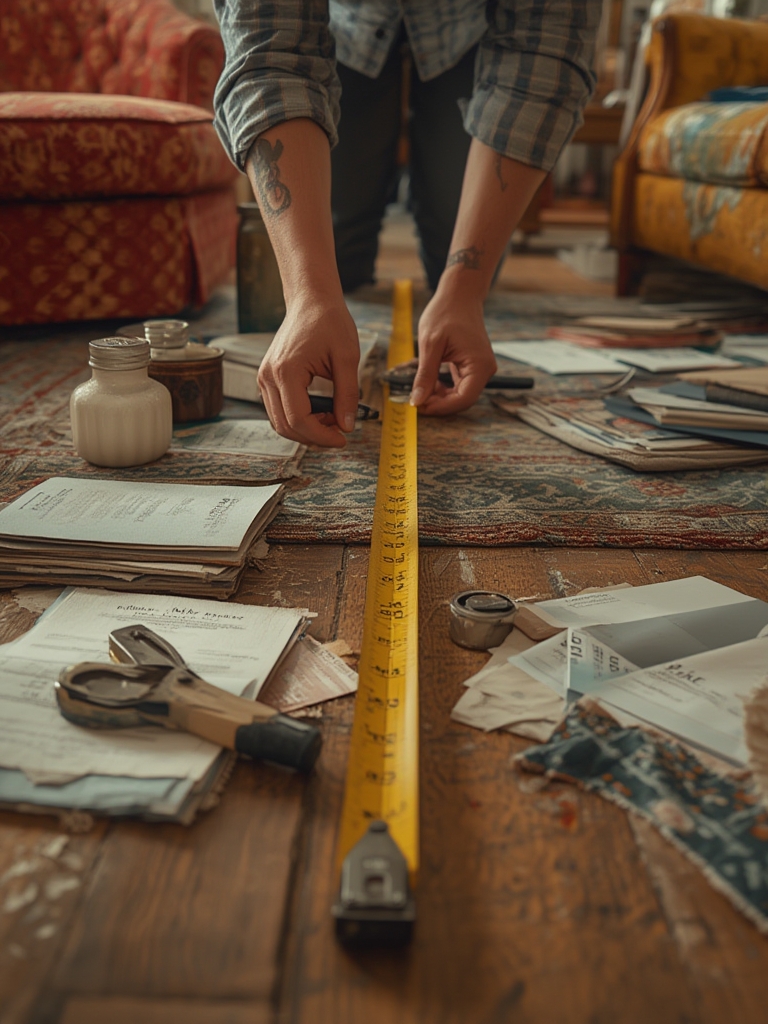
Start at local thrift shops, flea markets, and Facebook Marketplace for budget-friendly finds. Always factor in restoration or cleaning costs, and bring measurements to avoid oversized mistakes.
How do I mix patterns and colors without making my living room feel chaotic?
Anchor the space with two dominant colors and neutral solids like rugs or sofas. Limit patterned textiles to no more than 40% of surfaces and stick to intentional, repeating motifs for flow.
What safety checks are essential for vintage furniture?
Test for lead paint on pre-1978 pieces, inspect for fire safety compliance on upholstered items, and check for pests or mold in both wood and fabrics before bringing them into your home.
How much should I budget to fully revamp a maximalist living room?
Expect to spend $2,000–$6,000 for a 200–300 sq ft room, with higher costs for authentic antiques and custom upholstery. Thrifted items can reduce spending but may require extra repair work.
How can I authenticate vintage pieces and avoid buying fakes?
Examine for solid wood joinery, maker’s marks, and signs of real aging (not artificial distress). When in doubt, consult antiques experts or use online resources to verify labels and price histories.