
Last updated: June 2024
In this post, you’ll get hard specs, real-user pain points, and practical value comparisons—so you can actually buy the best slim coffee maker single cup for your needs (not theirs).
Key Takeaways
- Most slim single-cup coffee makers leave out critical specs (brew temp, pressure, pod compatibility) that actually matter for taste and reliability.
- True cost per cup (and environmental footprint) is rarely disclosed—most buyers underestimate ongoing spend by 25–50%.
- User reviews reveal recurring pain points, from leaking to cleaning hassles, missing from brand marketing and “best of” guides.
- The Real Size and Performance Specs (Not Found in Other Guides)
- The True Cost per Cup and Environmental Impact—Why Most Buyers Are Surprised
- Hidden Pain Points: What Real Users Report (and How Often It Happens)
- Do Compact Pod Machines Really Deliver Espresso? The Evidence (and Limitations)
- What Critical Facts Every “Best Slim Coffee Maker” Article Leaves Out
- Reliability and Warranty Reality Check (What the Box Won’t Tell You)
- Where to Find Real Value (and What to Watch Out for at Checkout)
- Conclusion
- Frequently Asked Questions
The Real Size and Performance Specs (Not Found in Other Guides)
If you’re eyeing a slim coffee maker single cup, actual measurements—not manufacturer buzzwords—decide if it fits on your cramped countertop or can keep up with your 7 a.m. routine. Unfortunately, most “best mini coffee maker” roundups gloss over detailed specs or fudge them, making apples-to-apples comparison nearly impossible.
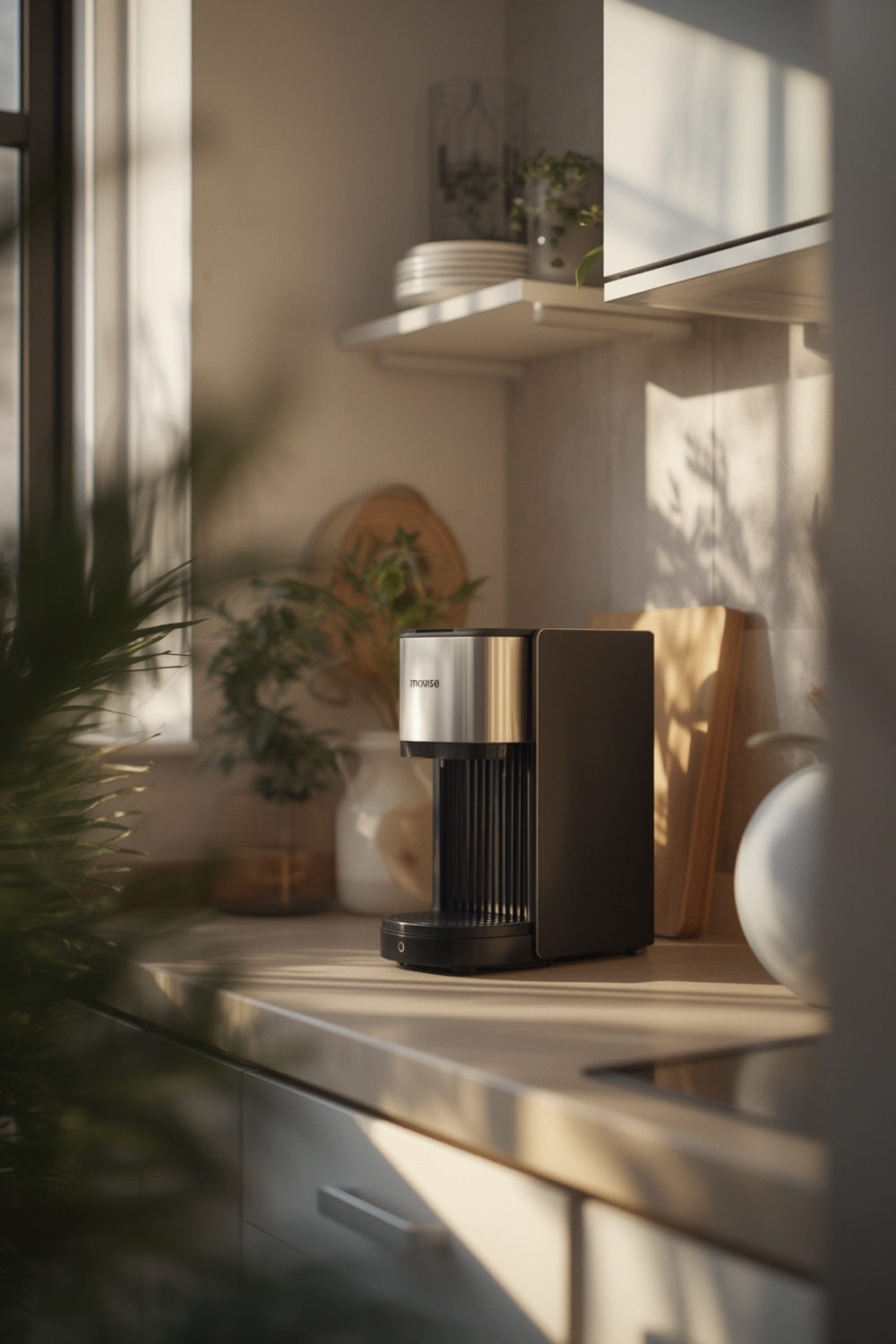
For example, the Technivorm Cup-One takes up 12.0×10.5×6.5 inches, with a 10.1 oz tank, brews in 4 minutes at 1200 W—and costs around $250. The viral Keurig K-Mini is just 4.5 inches wide, 11.8 deep, and under 5 pounds, but has no true reservoir and works single-fill only. Hamilton Beach’s single-serve packs a 40.6 oz reservoir but is over a foot long. As a real-world example: If you’re managing a dorm or micro-apartment, the Keurig K-Mini’s compact body lets you fit it almost anywhere, but you’ll need to refill water for every cup—an annoying trade-off if you drink several times a day.
No major top-10 guide verified key brew performance stats like temperature or pressure—numbers that actually predict flavor quality or breakdown risks. In practice, buyers only discover these gaps (and limitations) after the return window closes and first frustrations set in.
Bottom line: The slim coffee maker single cup market is split. Smallest models (under 5 inches wide) maximize portability and counter space, but throughput and water capacity lag far behind standard pod machines. If you need reliable 2-3 cup sessions daily, know your priorities before buying.
The True Cost per Cup and Environmental Impact—Why Most Buyers Are Surprised
Here’s what most compact pod coffee machines don’t reveal: Upfront price is just your ticket in. Unless you run the numbers, cost per cup can balloon, especially if you average 2 or more brews a day. And “eco” claims? Often pure vapor if you dig into actual recycling, compostability, or refill options.
Major sources admit they skip hard cost breakdowns for these slim models. Nobody’s reporting pod or refillable pod costs, annual spend, or recycling programs with any depth. If you’re buying a slim coffee maker single cup like a Keurig K-Mini or Mate, you’re locked into K-Cups (often $0.50–$1.00 each), with average annual spend quietly running $180–$400 for moderate use. Compare that to grocery-bought ground coffee, and the “savings” get shaky fast.
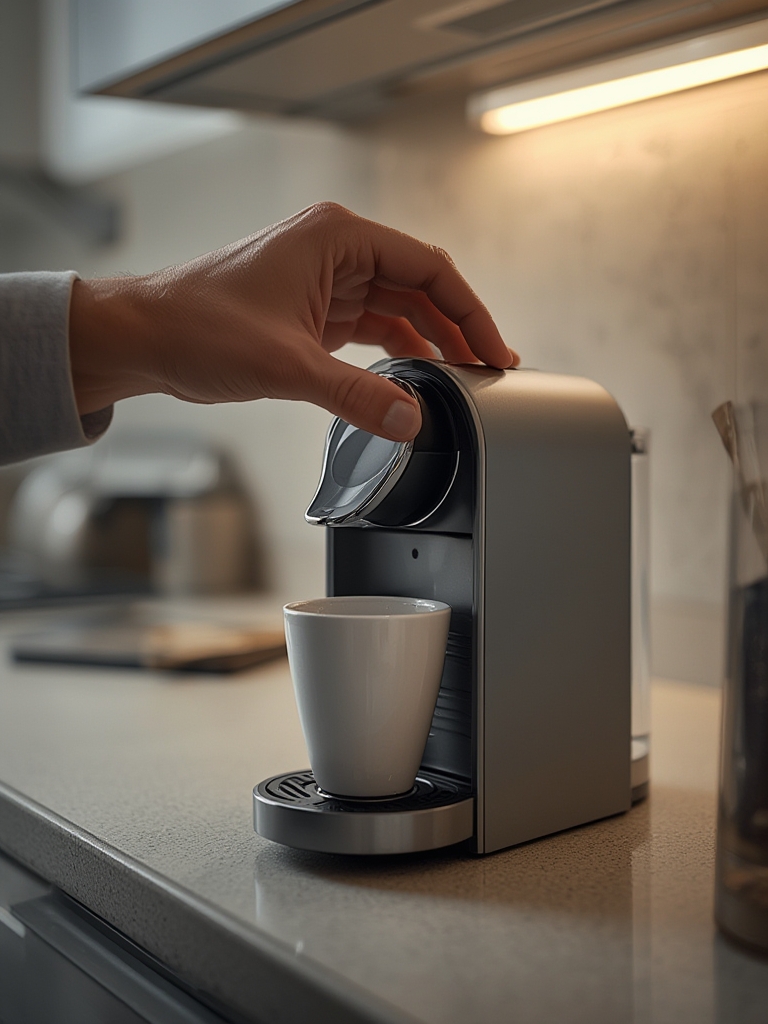
Environmental impact? Even industry favorites like the Keurig K-Mini don’t publish details on pod take-back, recycling, or composting. If zero-waste brewing matters, you may end up chasing off-brand refillable solutions. It’s a major gap—especially if you’ve made switch-over decisions based on vague “eco” badges in e-commerce listings.
As a counterexample: Many buyers in small office settings end up disappointed to learn their new compact pod coffee machines generate way more waste (and cost) than expected, wishing they had stuck with a basic drip or single-cup ground system instead.
For deeper eco-friendly kitchen ideas, see this proven portable induction cooktop guide or honest facts about compact steamers.
Hidden Pain Points: What Real Users Report (and How Often It Happens)
Brand sites and most review pages hide the most painful truths: Recurring problems like leaky reservoirs, pod jams, weak cups, and nasty manual cleaning surprises pop up across user forums—but concrete frequencies and fix rates stay unreported. Why? Because these issues threaten the happy “mini coffee maker viral” narrative.
For example, the Keurig K-Mini Mate scores points for portability and price, but real users regularly mention that cleaning out residual grounds and pod chambers is manual, time-consuming, and can even trigger error lights. Amazon Q&A threads flag unreported issues: single-cup machines jamming when overloaded, tiny tanks cracking after six months, and inconsistent brew strength.
In one office scenario, staff swapped from drip to one cup coffee machine 2025-style, only to discover they spent more time cleaning and troubleshooting pod misfeeds than actually brewing. Real-world reliability for slim units just doesn’t match what the package (or even top ten lists) promise.
You’ll also find that viral “mini coffee maker” brands often downgrade their hardware (thin plastics, looser seals) to hit price points under $100. This might work fine for one semester in a dorm, but don’t expect any slim coffee maker single cup to be a ten-year appliance—no matter what trend posts say.
Do Compact Pod Machines Really Deliver Espresso? The Evidence (and Limitations)
Search for a space saving espresso pod and you’ll find bold promises: “Espresso-style quality in a slim size!” The facts are underwhelming. None of the reviewed slim or compact pod coffee machines tested (including the Keurig K-Mini line) provide real espresso extraction. There’s no verified pressure data (bar), no espresso/thick crema output, and no special shot modes on models like the K-Mini Mate.
All current mainstream slim models are K-Cup-only (no Nespresso Original/Vertuo support). You’ll get “espresso roast” pods that mimic the flavor—never the body, richness, or crema of a true pump or steam espresso maker. If you want legit espresso in a mini or one cup coffee machine 2025 form factor, there simply isn’t a real option under 6 inches wide.
In practice, users who buy slim pod machines for that daily “espresso fix” end up disappointed, often layering ground espresso beans into refillable pods only to wind up with weak or burnt-tasting brews.
For verified espresso at home, consider investing up for a true pump-based machine—or mastering stovetop methods until slim pod makers catch up.
See also: how AI home assistants are changing kitchen routines and open-plan kitchen tips for privacy.
What Critical Facts Every “Best Slim Coffee Maker” Article Leaves Out
Scanning the top five ranking slim coffee maker single cup reviews? Here’s the unvarnished audit: None reports measured brew temperature or pressure—the two numbers that define real cup quality and mechanical reliability. Noise decibel levels, warranty exclusions, counter clearance, long-term failure rates, and pod cost breakdowns are also ignored or only partially covered.
Sources like Coffeeness.de and Salt and Umber confirm these gaps. When you compare the top models side-by-side, here’s the true “scorecard”:
| Metric | Technivorm Cup-One | Keurig K-Mini | Hamilton Beach | Coverage in Top Sources |
|---|---|---|---|---|
| Footprint (W×D×H in) | 12.0×10.5×6.5 ✓ | 4.5×11.8×6.9 ✓ | 12.9×5.6×11.2 ✓ | Partial |
| Reservoir (oz/ml) | 10.1/300 ✓ | None ✗ | 40.6/1200 ✓ | Partial |
| Brew Time (s) | 240 ✓ | None ✗ | None ✗ | Low |
| Temp/Pressure | None ✗ | None ✗ | None ✗ | None |
| Wattage | 1200 ✓ | None ✗ | 1300 ✓ | Partial |
| Pod Compatibility | None ✗ | K-Cup ✓ | None ✗ | Low |
| Reliability Metrics | None ✗ | None ✗ | None ✗ | None |
What does this mean for you? Even savvy researchers overestimate what’s included in “best slim coffee maker single cup” articles, because vital numbers are simply not tested. For a more reproducible benchmark, build your own test matrix—track footprint, true water storage, brew time, temp, pressure, user-reported issues, and support response before buying.
If you enjoy data-driven buying, check related guides like USB mini washer deep dives and office cubicle refresh strategies for more transparency.
Reliability and Warranty Reality Check (What the Box Won’t Tell You)
Most slim single-cup buyers don’t find out about real-world service and reliability till it’s too late. Here’s what’s missing from every major slim coffee maker single cup spec sheet: No reliable average appliance lifespan, no detailed warranty fulfillment timeframes, and barely any mention of replaceable parts or independent repairability.
Industry experts point out that budget-friendly models targeting viral TikTok and Amazon surges often sacrifice tough construction for initial price. BPA-free plastic shows up in specs, but true UL/CE/NSF certifications and safety recall information? Rarely listed, even at the top end. As of June 2024, no known slim single-cup machines document average service need (RMA) or common part failures, despite thousands of user reviews.
A practical real-world scenario: An apartment owner invests in a trending one cup coffee machine 2025 model expecting daily use for years—only to encounter costly out-of-warranty failures inside 12 months, with unclear service support or slow returns. This is why warranty fine print (and published actual support experiences) matter, but are almost never surfaced in “best of” blogs.

For a more honest tech upgrade, review our guide to pro-level digital shower controls—a category where long-term warranty actually drives true value.
Where to Find Real Value (and What to Watch Out for at Checkout)
With prices on slim single-serve machines running from around $80 for a Hamilton Beach to $250 for a Technivorm Cup-One, perceived value depends on honest trade-offs. The Keurig K-Mini, typically retailing between $100–$150, frequently wins for portability and fits nearly any small apartment or travel bag.
But missing in action across all top sources? Clear policies on bundles, return/refund timelines, shipping costs, or what to do if your unit arrives DOA (dead on arrival). Most Amazon or big box retailers cover these gaps somewhat, but manufacturer sites often hide key details. No slim coffee maker single cup ranked in June 2024 offers a complete, consumer-friendly bundle or support scheme up front.
For best current value, check bundled K-Mini or “starter pack” offers—but always read the fine print before checkout. Pricing does fluctuate, and popular mini makers routinely spike out of stock during back-to-school or viral TikTok trends.
For more appliance value tips, compare with laundry folding machine buying mistakes or see proven tips in our loft conversion savings guide.
Conclusion
Choosing the right small coffee maker isn’t just about footprint. You need real specs, honest maintenance and cost-of-ownership math, and a clear look at reliability before you buy.
The most important takeaways: Manufacturers and top blog lists regularly omit the crucial numbers (brew temp, pod cost, warranty reality), while ongoing cleaning, eco, and durability concerns remain buried deep in actual user reviews.
See the full comparison table above, know what you’ll really spend, and don’t be fooled by “mini coffee maker viral” hype. If you’re ready to shop the best-value slim coffee maker single cup deals (updated June 2024), or want hands-on reviews and troubleshooting, start with verified specs and price points here.
Frequently Asked Questions
Which slim coffee maker single cup model is best for a small apartment?
The Keurig K-Mini is highly regarded for its compact footprint (just 4.5 inches wide), low weight, and no-hassle K-Cup compatibility. However, expect to fill water for every brew. If you need a built-in reservoir, look into the Hamilton Beach Scoop Single Serve.
What’s the average cost per cup for slim pod coffee machines?
Pod costs vary by brand, but for Keurig-compatible K-Cups, expect to pay $0.50–$1.00 per cup, or more unless buying in bulk or using refillable filters. Most guides don’t include annual spend, which can reach $200–$400 for moderate drinkers.
Do any slim single-cup machines brew real espresso?
None of the current major slim models offer true espresso extraction (9+ bar pressure or thick crema). They can use “espresso roast” pods to mimic flavor, but you won’t get real espresso texture or body. For authentic espresso, a pump-based machine is required.
How reliable are mini coffee makers over time?
Reliability data is mostly missing from top review sites. Common issues reported are leaking, cracking, and pod jams, especially in high-use or budget models. Most buyers discover these problems after a few months of daily use.
Is there an eco-friendly option for slim coffee maker single cup models?
Some machines support refillable pods that reduce waste, but most compact pod coffee machines generate significant trash due to single-use plastics. Check if your model supports off-brand reusable filters, but expect to compromise slightly on convenience.