
matter compatible smart devices are changing how home automation enthusiasts plan their next upgrade—but the reality behind the tech isn’t what the ads suggest. Most buyers think Matter will finally let every brand of smart light, plug, or lock work together. The actual promise is far patchier, with missing features, step-hidden costs, and silent compatibility traps that can blow up smart home plans.
Last updated: June 2024
This post lays out the hard facts on what Matter does (and doesn’t) guarantee for futureproof smart homes in 2025 and beyond. You’ll see how many devices are truly interoperable, the hidden expenses and migration hazards, and what every serious smart home planner must know before their next investment.
Key Takeaways
- The number of truly interoperable Matter-compatible smart devices is still unclear, with over 750 products but a lack of transparent breakdowns by category, brand, or firmware requirements.
- Hidden upgrade costs—including hubs, firmware updates, and professional troubleshooting—aren’t itemized anywhere, so buyers risk unpredictable expenses in cross-brand setups.
- Migration to Matter brings real headaches, from broken automations to missing features, and most reviews and guides gloss over these pitfalls or fail to fact-check vendor claims.
- The Elusive Reality: How Many Matter-Compatible Smart Devices Are Actually Available (and Truly Interoperable) in 2025?
- The Real Cost Breakdown: What It Takes to Upgrade to a Fully Matter-Based Smart Home Setup
- Migration Headaches: What Real Users Are Reporting When Moving to Matter (and Where Vendor Lock-in Still Lurks)
- The Truth Behind Top “Best Matter Devices 2025” Articles: Hidden Caveats and Unverified Claims
- Performance Benchmarks and Support Deadlines: The Data Big Brands Won’t Publish
- What Every Buyer Must Know About Future-Proofing and Security (Matter Versions, Regional Risks, and Support Cliffhangers)
- Conclusion: The Hidden Reality of Matter in 2025
- FAQ: Matter-Compatible Smart Devices Explained
The Elusive Reality: How Many Matter-Compatible Smart Devices Are Actually Available (and Truly Interoperable) in 2025?
It sounds simple: Matter promises a new world where interoperable home gadgets—across brands—just work together. But by early 2025, the *real* number of plug-and-play Matter-compatible smart devices is a moving target. Most sources cite “over 750 products” on the CSA registry, but breakdowns by smart light, thermostat, plug, lock, or even vendor remain elusive. There’s no trustworthy database listing which ones need firmware updates, paid hubs, or must be physically replaced for actual Matter use.
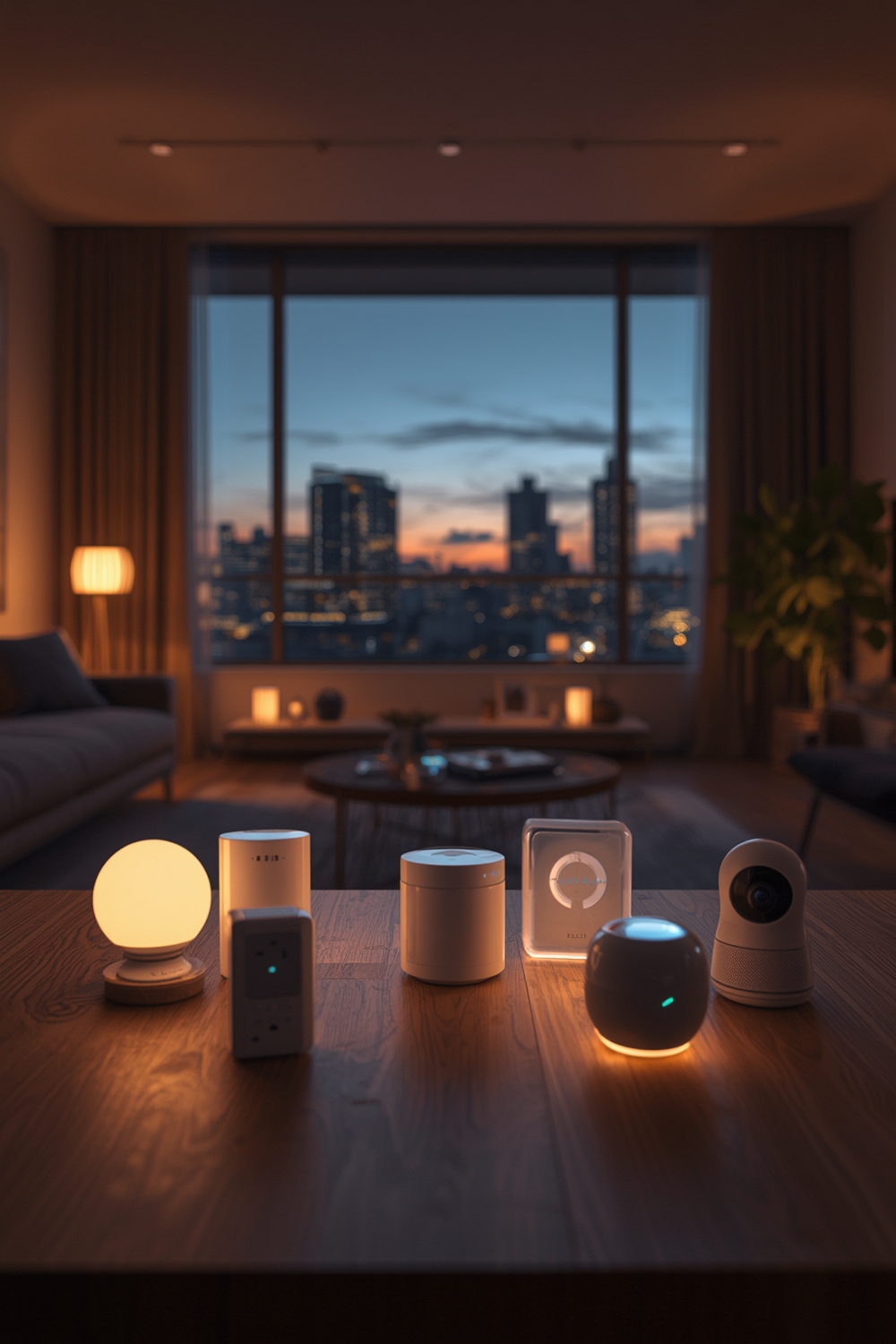
For example, IKEA claims 21 Matter-compatible models—mostly lights, motion sensors, and smart plugs—but quietly, almost all require the DIRIGERA hub, with no clarity on firmware vs. hardware upgrades for each SKU. As an advanced enthusiast, you’ll find that buying across ecosystems demands detective work to understand which features, automations, or app controls you’ll actually gain—or lose—once everything’s supposedly “on Matter.”
In practice, most homeowners who mix Apple, Google, and Amazon gear quickly discover that not every “Matter” logo means true out-of-the-box compatibility. Some devices need firmware pushes, others a complete swap-out, and bridges or hubs are rarely optional. You could invest hundreds and still find that your chosen combination leaves half your existing automations or advanced routines unusable until further updates—or never supported at all.
To sum up: while headlines tout universal interoperability, the details are murky, and buying blind can mean paying for upgrades you didn’t expect.
The Real Cost Breakdown: What It Takes to Upgrade to a Fully Matter-Based Smart Home Setup
Search any major review or “upgrade guide,” and you’ll see optimistic estimates for the cost of building a cross brand smart home setup using the best matter protocol gadgets 2025 has to offer. The reality? No site or expert offers a bottom-line, trustworthy itemized cost—in part because so many variables are omitted from public data and vendor pages.
For example, IKEA’s Matter-ready bulbs and plugs start under $10 USD, but *every* device needs a DIRIGERA hub (not included), and you’ll often want pro install services—especially in larger homes or when troubleshooting device handoffs. Cloud subscription costs or support contracts are rarely mentioned in top guides and vary by brand. It’s not uncommon for tinkerers to spend several hundred dollars chasing down reliability problems or compatibility quirks after the main gear is installed.
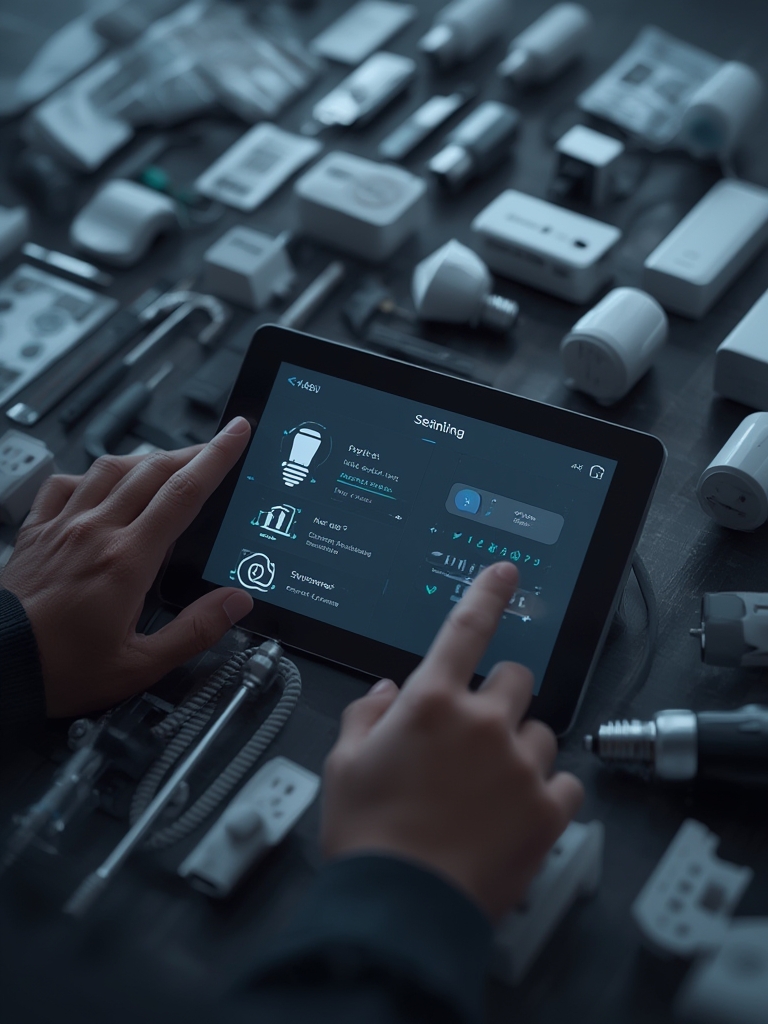
There’s also a new class of emerging upgrades: AI-powered home assistant hubs, which promise to unify devices and routines but often have annual fees or beta-level support for complex multi-vendor setups. For a full-house upgrade (lights, locks, thermostats, best trending smart cameras), the total outlay is rarely less than $500–1,500 once you factor in bridges, troubleshooting, and ecosystem “patches.”
Real-world scenario: I’ve seen homeowners buy trending “Matter smart light” packages, only to discover after the fact that color-changing or motion features don’t work unless the whole setup—hub, firmware, and device—matches on protocol version and is fully up-to-date. That means more expense and time just for the features that Matter was supposed to make seamless.
Need help maximizing ROI and minimizing regrets? See our guides on AI-powered home assistant hubs and out-of-the-box kitchen tech for more cost-saving strategies.
Migration Headaches: What Real Users Are Reporting When Moving to Matter (and Where Vendor Lock-in Still Lurks)
Matter’s promise of seamless migrations from old systems is running up against stubborn reality. In real support threads and automation forums, early adopters are finding that interoperable home gadgets don’t simply “adopt” advanced routines, automations, or remote access the second they go Matter.
Here’s the hard truth: There’s no transparent data on rollback rates, pairing failures, or the frequency of features being lost mid-migration. Anecdotally, many users try Matter, hit walls with things like color temperature or motion detection not syncing across brands, and end up reverting to old vendor apps or original manufacturer automations. Even the advanced bridges meant to help—like IKEA’s DIRIGERA—don’t publish stats on which devices or scenarios most often hit a snag.
In practice, those who attempt complex migrations (for example, moving a full Z-Wave or Zigbee home into the Matter era) often find 80% of “core” automations work, but one or two essential features are missed or require significant troubleshooting or even downgrades. Support threads on r/homeautomation and platform-specific forums repeat the refrain: “Not as seamless as promised.”
This is the area most guides don’t cover: the legacy quirks, like separate authentication for Ring/SmartThings/Apple Home, missing app integrations, or vendor-only advanced features. Without hands-on trial (and some patience), prospective upgraders face a serious risk of unexpected lock-in after migration.
The Truth Behind Top “Best Matter Devices 2025” Articles: Hidden Caveats and Unverified Claims
Search “best matter protocol gadgets 2025” or “matter smart light trending” and you’ll get glossy roundups of the latest popular products. But even the highest-ranking guides fail to cross-reference essential details—like whether the product is truly certified, needs a mandatory hub, or supports advanced automations on your chosen ecosystem.
For example, top lists highlight devices like the Govee UpDown Wall Light or Aqara FP300. But most reviews don’t confirm whether firmware changelogs match what’s actually shipping, or if the device is present in the CSA registry. No buyer guide to date publishes latency numbers, pairing speed, or the realities of energy consumption during mesh-network stress testing.
Even trusted brands occasionally have features that quietly disappear during the update process. For example, a trending aurora projector lamp that worked with advanced scenes for Alexa may lose those features when upgraded, due to a lack of cross-platform API validation. Guides rarely warn buyers to check for these issues before purchase—which is a recipe for frustration if you expect every new feature to “just work.”
As always, “best” often means “best-marketed,” not best in feature-depth or futureproofing. Dig deeper—prefer direct vendor docs and CSA listings over influencer roundups.
Performance Benchmarks and Support Deadlines: The Data Big Brands Won’t Publish
If you’re reading this, you probably want more than brand promises. But despite the rise of Matter in 2025, there are no vendor-published, third-party validated benchmarks for pairing time, command latency, failure rates, or mesh resiliency under load. We know, for example, that IKEA claims 21 compatible models and the Govee Wall Light is trending, but try finding any hard data on network stress or battery life.
For the performance-oriented buyer, this represents a serious blind spot. There’s no consumer-accessible index of firmware support periods, MSRP comparisons across brands, or statistics on how long key Matter smart lights or sensors will be officially patched. Even industry deep dives, like those on Matter-SmartHome, confirm these limitations.
| Device | Matter Certified? | Requires Hub? | Performance Metrics Published? | Support Period Listed? |
|---|---|---|---|---|
| IKEA MYGGSPRAY Motion Sensor | Yes | DIRIGERA | No | No |
| Govee UpDown Wall Light | Yes | Brand supports direct | No | No |
| Aqara FP300 Sensor | Yes | Brand hub or compatible | No | No |
| Haojai Switch (DK-AI) | Yes | Brand hub or direct | No | No |
This table summarizes the lack of transparency: none of these top-selling, best reviewed models provide end-users with latency, pairing or support lifecycle information at the time of writing. If futureproofing and performance testing are priorities, you’ll need to experiment yourself or rely on communities like r/homeautomation, since even leading review sites and vendor docs withhold or omit those numbers.
Side note: If benchmarking truly matters, consider plugging new smart gadgets into portable setups (see our portable device review for a test-first approach) before rolling them out home-wide.
What Every Buyer Must Know About Future-Proofing and Security (Matter Versions, Regional Risks, and Support Cliffhangers)
Ask anyone who’s tried to keep a smart home “futureproof,” and you’ll hear one theme: standards evolve, support disappears, and your investment can be stranded overnight. With Matter, these risks aren’t eliminated. Protocol versions like 1.2 (October 2023), 1.4.1 (May 2025, NFC onboarding), and 1.4.2 (August 2025, Thread 1.4 support) introduce new features, but many devices are stuck on older firmware.
There is still no published end-of-support timeline for any leading Matter-compatible product. Major brands refuse to confirm how long any given device—smart plug, motion sensor, or trending light—will receive updates or even keep its Matter badge. Regional compatibility is also a gamble, as regulatory differences and approval timelines aren’t posted in international vendor docs, and no public case of rescinded Matter support has yet been documented. See the Matter standard summary for technical milestones, but expect local bugs and patch lags.
Security-wise, NFC onboarding and next-gen Thread mesh tech promise significant upgrades for advanced automations, but these only appear on hardware certified for Matter 1.4.2 or later. If buying for longevity, scrutinize hardware vs. firmware upgrade paths—most vendors don’t clarify which SKUs are hardware-locked and which get OTA (over-the-air) updates. Bridges help patch gaps (e.g., DIRIGERA for IKEA gear), but obscure what’s supported next year vs. right now.
The bottom line: “Matter-compatible” is not a guarantee; it’s a moving target. Before investing, consult cross-vendor technical docs, and remember that DIY or pro installer expertise matter as much as protocol stickers for keeping your smart home reliable into 2026 and beyond.
If security and reliability are your top priorities, pair new “matter” upgrades with the most up-to-date firmware available, and don’t hesitate to contact manufacturers for clear statements on lifespan and regional coverage. Want tips on integrating cross-protocol gear? Review our expert guide on how smart automation intersects with modern workspaces for integration scenarios.
Conclusion: The Hidden Reality of Matter in 2025
Building a truly interoperable Matter-based home in 2025 is not as simple (or as affordable) as many guides suggest. The number of matter compatible smart devices is growing fast, but the real hurdles involve unpredictable upgrade costs, patchy compatibility, and incomplete documentation—especially for advanced automations and support timelines.
If you’re planning a major smart home overhaul, go in with your eyes open: scrutinize not just device specs, but also ecosystem requirements, firmware support, and hub/bridge dependencies. Expect to invest in troubleshooting and keep your network diagram handy. For those wanting a truly futureproof setup, read our detailed comparison on AI-powered smart home hubs or explore our top trending innovations in workspace automation.
Ready to go deeper? Review product-specific guides before your next big purchase—and always double-check feature lists on official vendor sources and the CSA registry to avoid compatibility hazards.
FAQ: Matter-Compatible Smart Devices Explained
How do I know if a device is truly Matter-compatible?
Genuine Matter-compatible smart devices should be listed in the official CSA registry and display certification in their documentation. Always cross-check on vendor pages and the CSA registry, as not all products with the “Matter” logo have updated firmware or full interoperability out of the box.
Can I upgrade my existing smart home devices to Matter?
Some existing devices may gain Matter compatibility through firmware updates if the hardware supports it. However, many models (especially budget or first-generation products) will require hardware replacement or a compatible bridge, and vendors rarely guarantee upgrades across their range.
What hidden costs can I expect when moving to a Matter-based setup?
Hidden expenses often include mandatory hubs, cloud subscriptions, professional installation, and potential device replacements. Most guides and vendors don’t disclose these, so budget for additional costs beyond device sticker prices—especially in mixed-brand homes.
Why do some Matter devices lose features after migration?
Not all features are supported uniformly across brands and ecosystems due to protocol version differences or vendor implementation choices. Some advanced features (like scene controls or motion automations) may disappear or require additional setup when moving a device to Matter.
Where can I find real-world reviews or benchmarks for Matter-compatible devices?
Benchmarks and long-term reviews are limited, as most vendors do not publish pairing speed, latency, or power data. Independent forums like Reddit’s r/homeautomation and select enthusiast sites provide user experiences, but always validate claims with official documentation where possible.